Welcome, kindergarten! We’ll have so much fun creating art this year. We’ll learn about different types of lines. How many of these lines can you make? Can you find some of these lines on the farm?
gallery4share.com
Lines are so special in artwork because they help us make shapes. Here’s a song to help us remember that lines help us make art:
I’m soexcited about our first project of the school year. The whole school will participate in one big, back to school, collaborative project.
What’s a collaborative project? It’s when you work with other people to create an artwork. For this project, each student will create one artwork that we’ll put together to create one large artwork.
Here is an example of a collaborative artwork. Each student made one heart, then all the hearts were combined to make one large artwork. What types of lines and colors do you see? Do you have a favorite square?
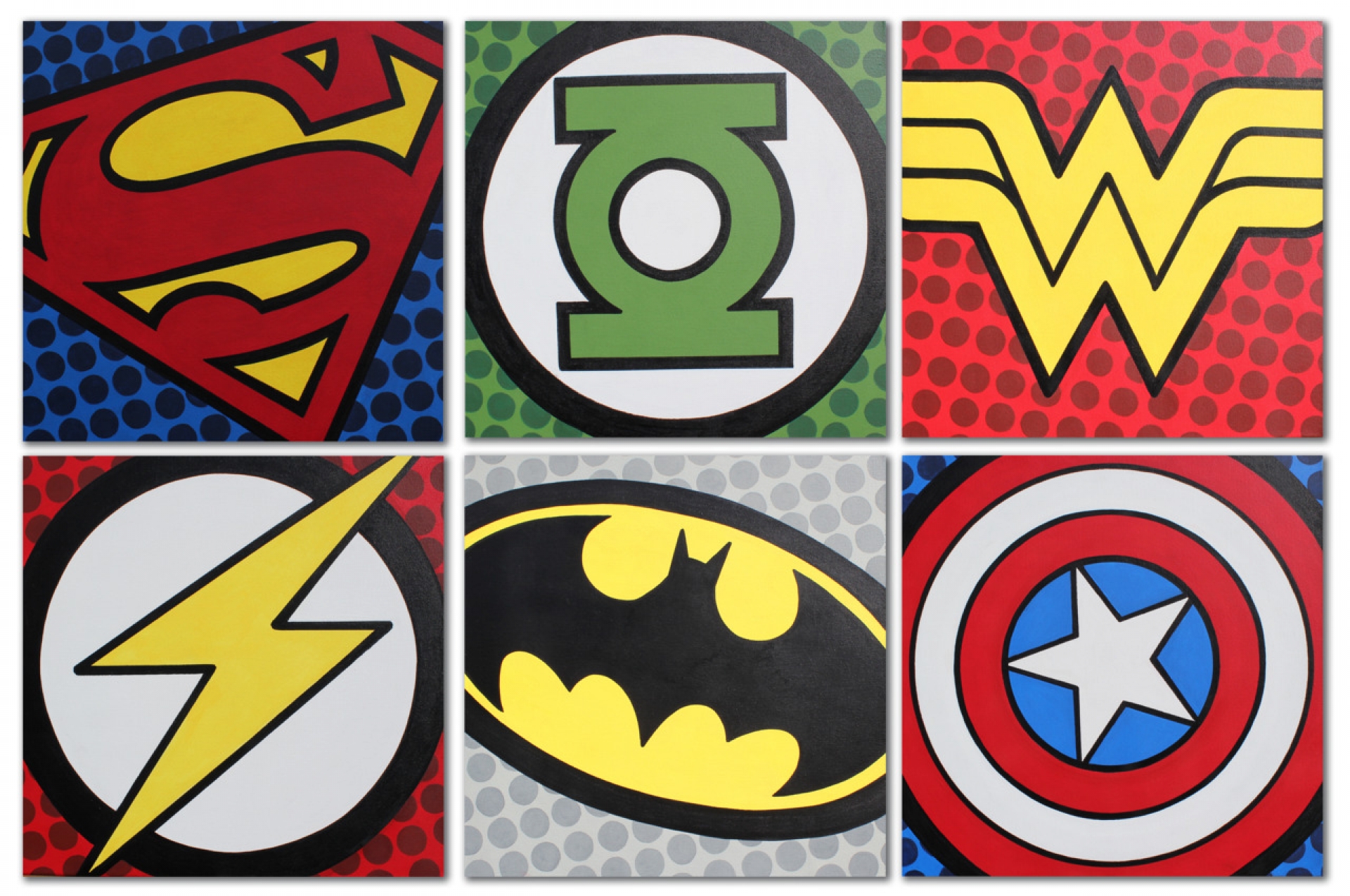
We’re going to take inspiration from our school’s theme of superheroes. What better way to remind us that we’re all superheroes than by creating an artwork together?
Kindergarten, 1st grade, 2nd grade: If you were a superhero what would your shield look like? What types of lines, shapes, and colors would you use? How would it show who you are?
wallmeta.com
3rd grade, 4th grade, 5th grade: What is your real-life superpower? Are you a kind friend? Great at math? Wonderful at helping others? A fantastic teammate? How would you depict your best qualities on a cape?
The kindergarten will learn about Plains Indian cultures while hearing The Legend of the Indian Paintbrush. Students will learn how Little Gopher used his talents and shared them with everyone. Students will create pendant necklaces based on Little Gopher’s artwork.
The first grade will learn the order of the colors of the rainbow: red, orange, yellow, green, blue, indigo, violet. We will learn that indigo is a blue-violet hue. An easy way to remember the order of the rainbow isRoyG.Biv.
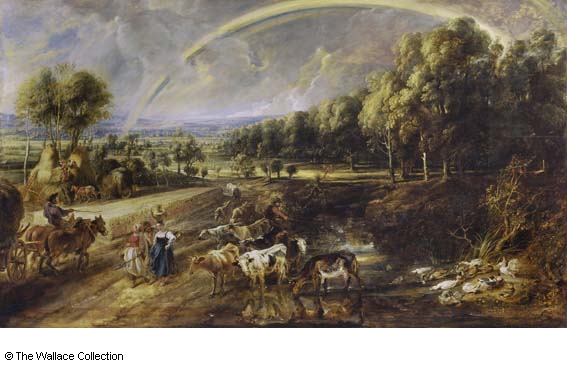
We will look at Peter Paul Rubens’s painting The Rainbow Landscape (painted in 1636) . What do you see in this artwork?
We will create our own rainbow landscape paintings and even learn to mix orange and indigo!
Picasso was a Spanish artist who invented Cubism with his friend, Georges Braque. Picasso was a prolific artist, who created over 50,000 artworks during his lifetime. His portraits are some of his most famous.
We will create a Cubist-self portrait. Think of how you can rearrange your face in a Cubist style. Here’s the trick: the face still has to be recognizable as you.
Here’s a website that lets you practice making a Cubist portrait.
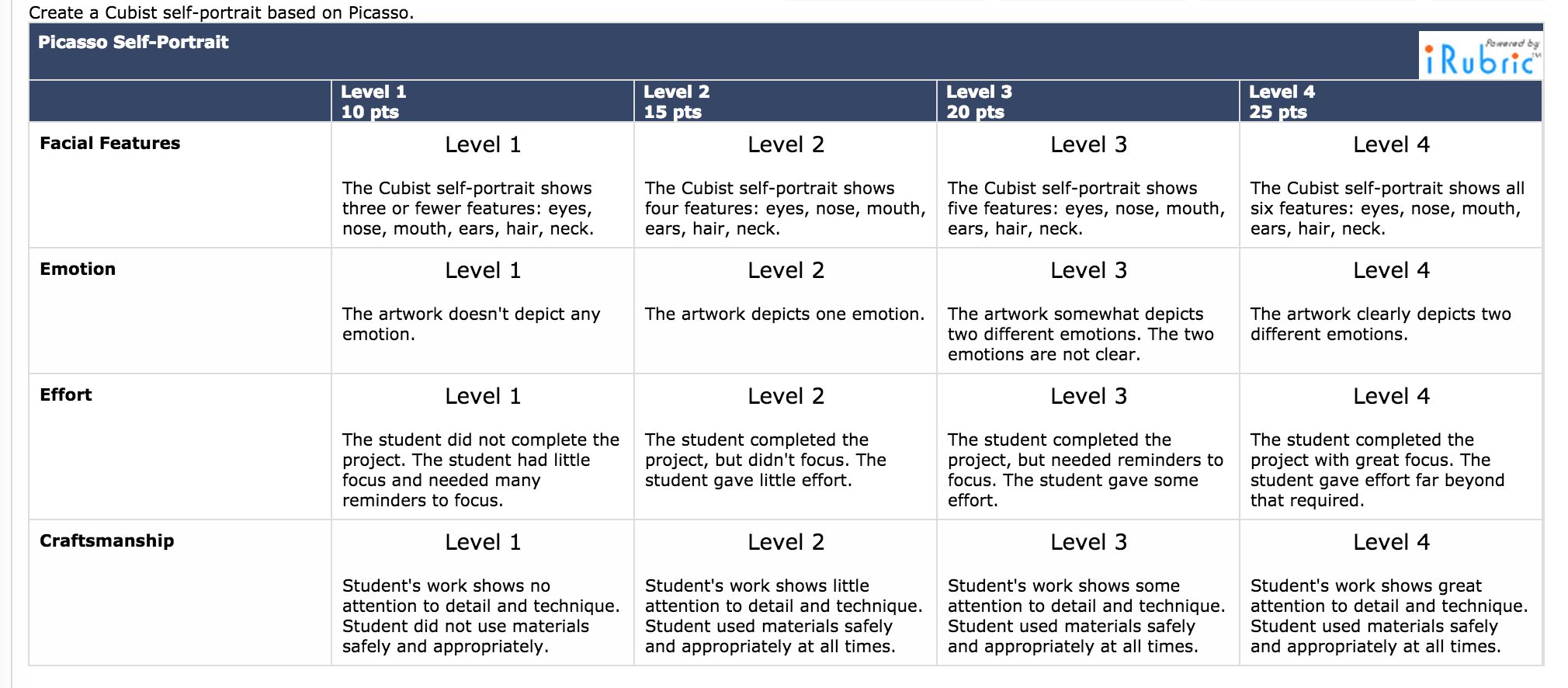
Here’s the rubric for this artwork. Review Level 4.
Steps:
1) Write your name & class on the back. Choose two emotions, write them on the back.
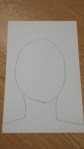
2) Draw a circle for your head, add a neck and shoulders.
3) Draw a curved line down the middle of your face. You can make it look like facial features.
4) Add facial features (check rubric!) showing your two different emotions.
5) Add details like hair, earrings, freckles, glasses that give clues that this is you.
6) Draw the background that matches each emotion.
7) Make sure your background reflects your two emotions.
8) Neatly begin painting your background. Follow painting steps.
9) Paint skin colors. You skin colors can reflect your mood, like green= jealousy, it doesn’t have to be realistic.
If you want to use realistic skin colors: you can either mix paint or use paint from the bottles. If you mix skin colors, you must finish it today. Today is the only mixing day.
Peach= white+ a little orange+ a tiny bit of brown
Tan= brown+ white
You can make either of these lighter by adding more white or darker by adding more brown.
10) Finish your painting. Fill out your rubric and staple it to the back of your artwork.
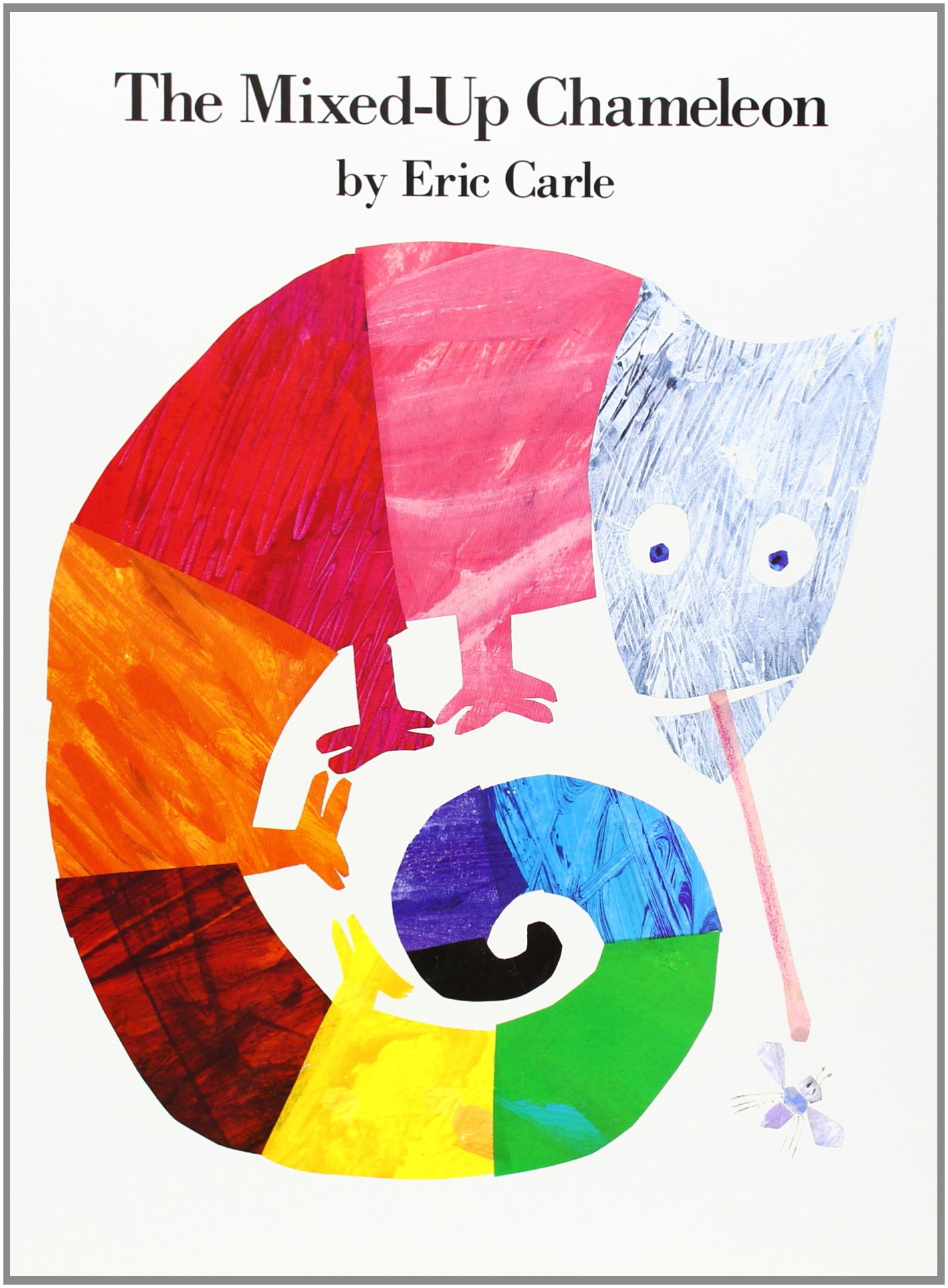
The kindergarten has been learning about the different reasons why people make artwork. We’ve learned that art can be made to be used, for celebrations, and now to tell a story. Eric Carle is a children’s author and illustrator. An illustrator is someone who creates the art that we see in stories. What does the artwork in this story tell you?
Here is how the chameleon looked at the start of our story:
amazon.com
Here is how the chameleon looked by the end! We will create a collageshowing many different animals for our chameleons. Think about how your collage will help tell this story.
The 2nd grade has learned about many forms of functional art, such as pottery and quilts. We’ve also learned that art can be used to express their emotions, feelings, and ideas. When art expresses ideas it’s called artistic expression. But wait, there’s another reason why people make art…to tell stories! Let’s add that to the list:
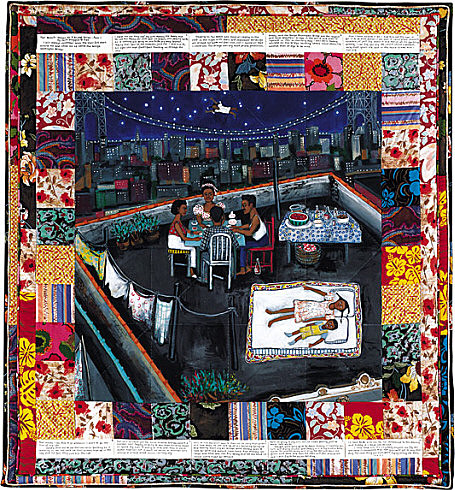
There’s an artist who uses quilts to tell stories, her name is Faith Ringgold. She made a quilt called Tar Beach that tells a story about growing up. People liked the quilt so much that she turned it into a book!
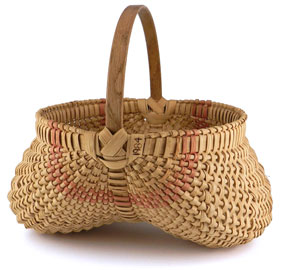
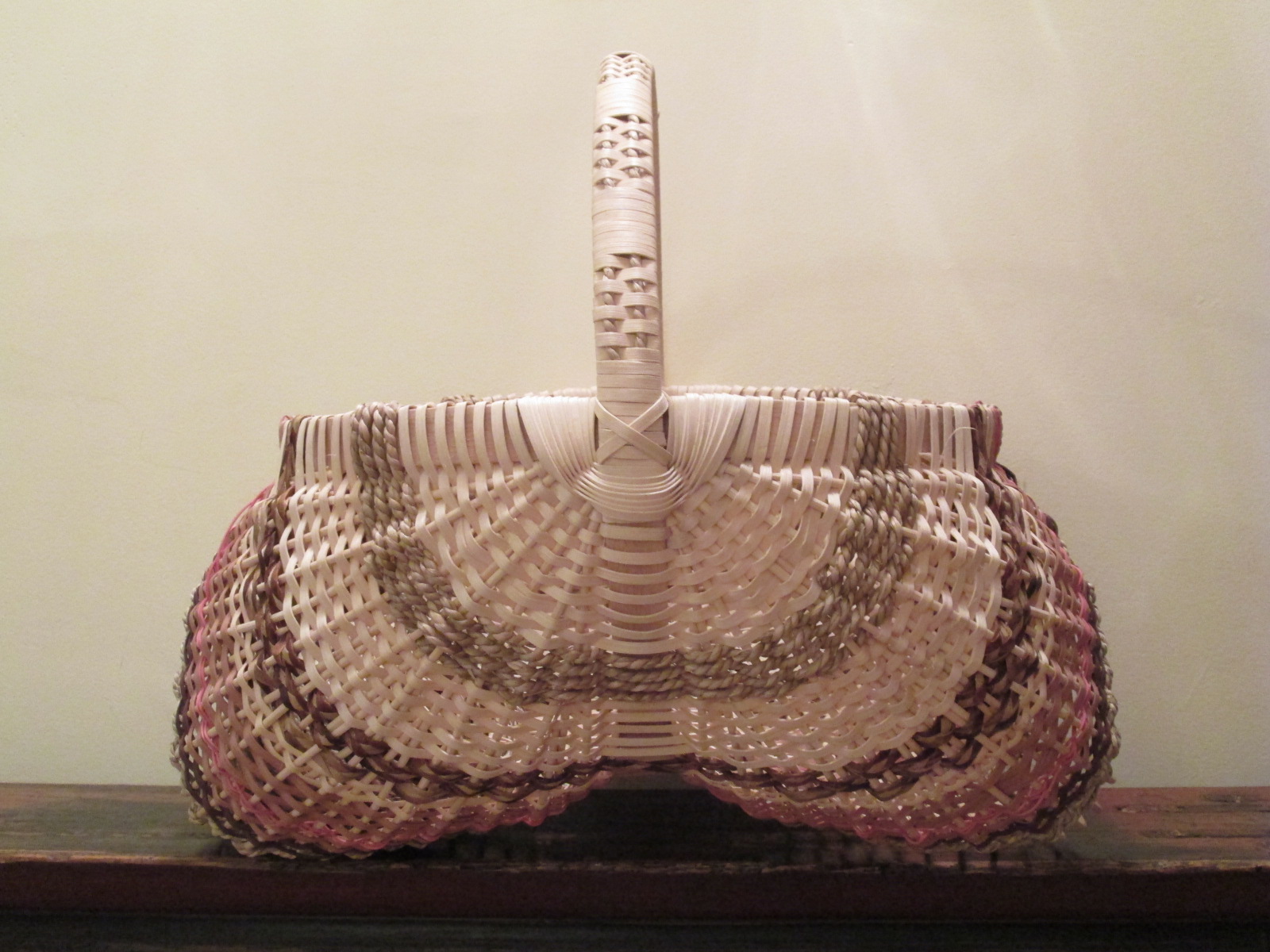
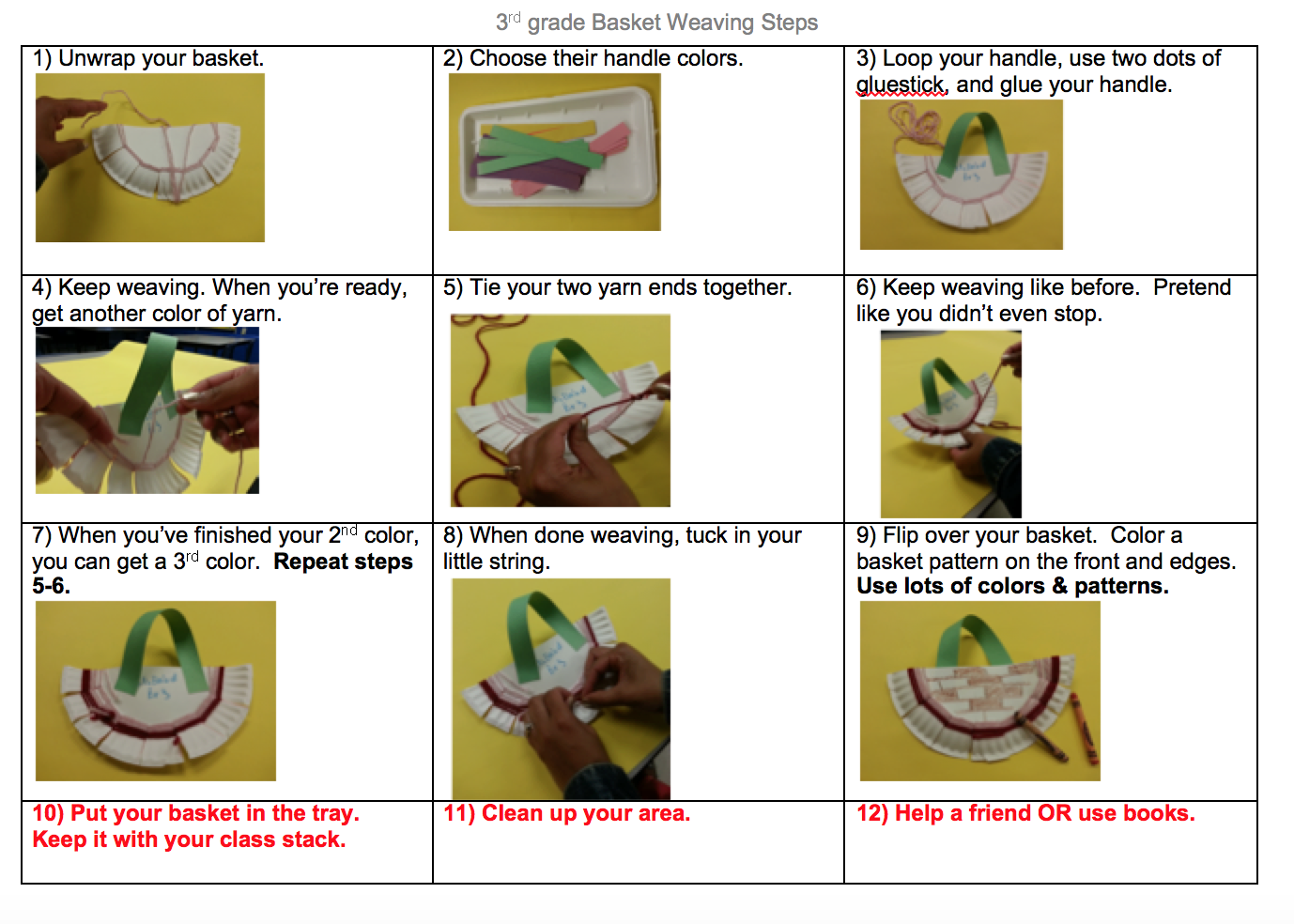
The third grade is learning about Appalachian art forms. Appalachian folk art is a traditional art form, which means it’s usually passed down through families. We will learn to weave yarn on a loom.
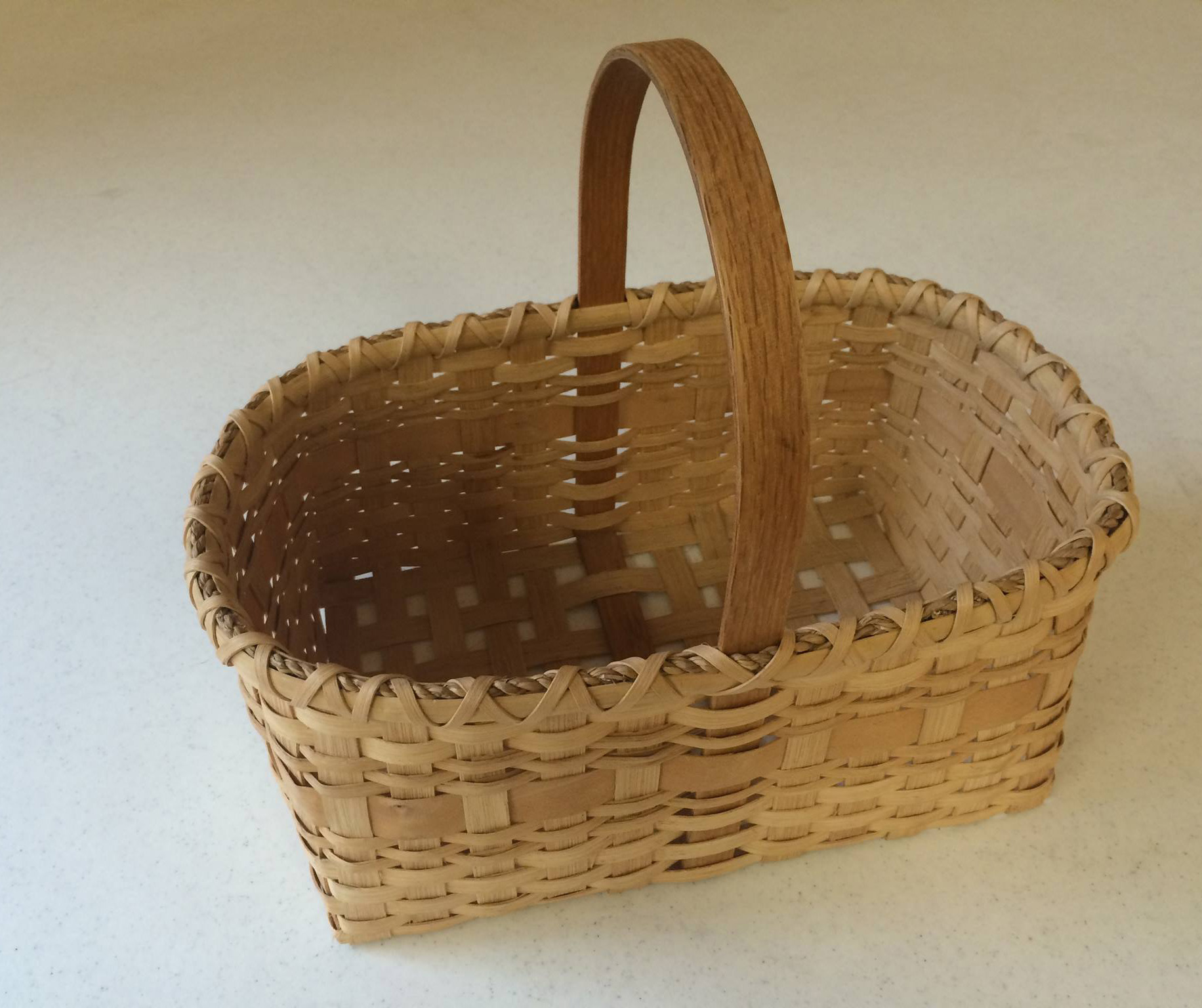
Watch the following two videos (one has a link). What similarities are there between West African and Appalachian basket weaving?
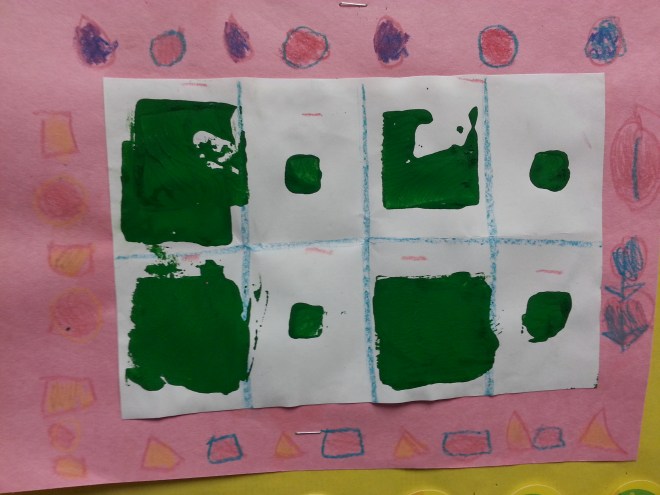
Kindergarten has been learning about functional art, such as pinch pots and baskets. They will learn that Appalachian artists make quilts, which are also functional. Functional art is art that can be used, such as quilts, pottery, and rugs.
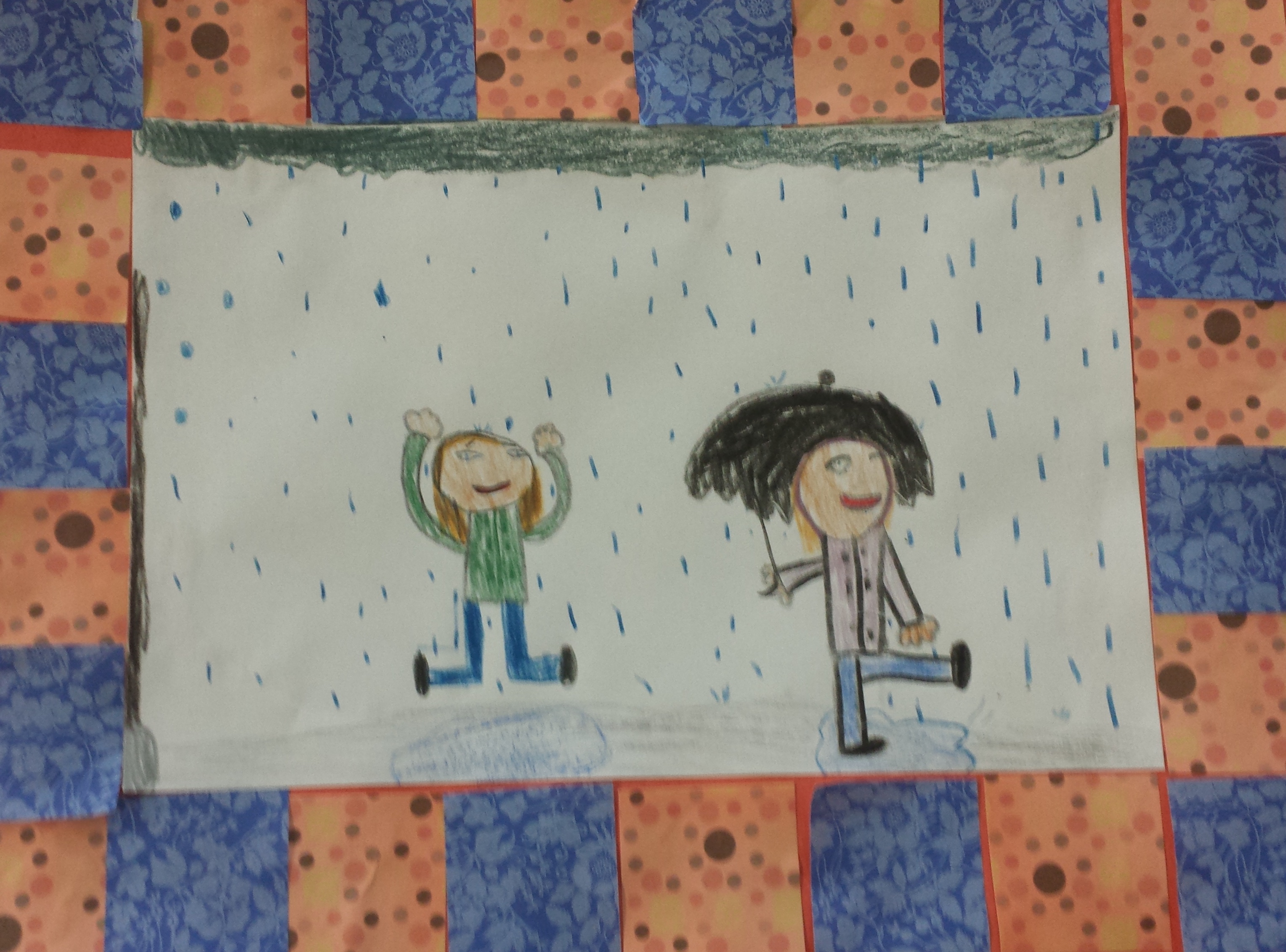
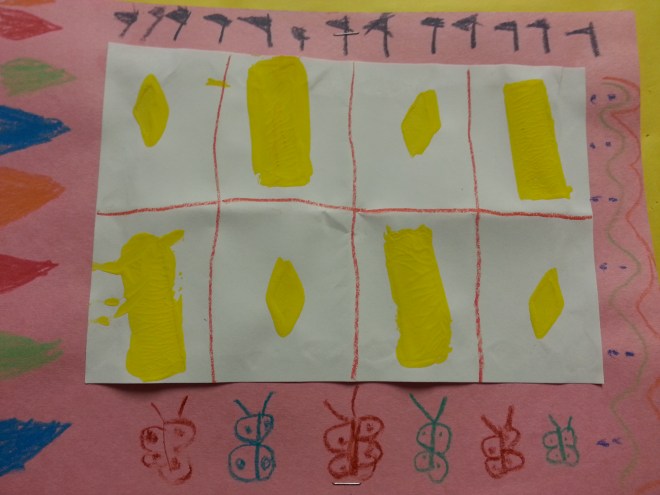
Quilts often use patterns. Can you find patterns in these students’ quilts?












 Ms. Baird's Art Class