5th grade Dale Chihuly Sculptures


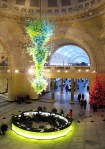
Dale Chihuly is a contemporary artist who creates brilliant glass sculptures.  The fifth grade will be looking at his artwork and creating their own “glass” sculptures using transparency film.

Artrageous with Nate shares information on Chihuly, including a biography and artworks, with a little history of glass.

Some questions to think about:

  • What do you think about Chihuly working collaboratively with other artists?  Is it wise, necessary, important, fair, creative?
  • Why do you think so?
  • Do you think it’d be easier or more challenging to create art with other people?
  • Compare Dale Chihuly’s challenges to the challenges faced by Evonne Jacquette and Stephen Wiltshire.  Do all artists have challenges?  Do challenges help you to become a better artist?

This video shows how Chihuly’s chandelier sculptures are assembled.

This last video shows many examples of Chihuly’s work, including his chandeliers and macchia (small vessels).


1st grade- Mola Cloth Paintings

The first grade is learning about Mola Cloths made by the Kuna people of Panama.  They are colorful fabric designs sown onto clothing, especially women’s clothing. Can you find Panama?

screen-shot-2017-01-05-at-8-42-03-pmThe designs often show animals and flowers.  Some Mola Cloths have symmetry, which means both sides are equal.  Most Mola Cloths show colorful patterns.
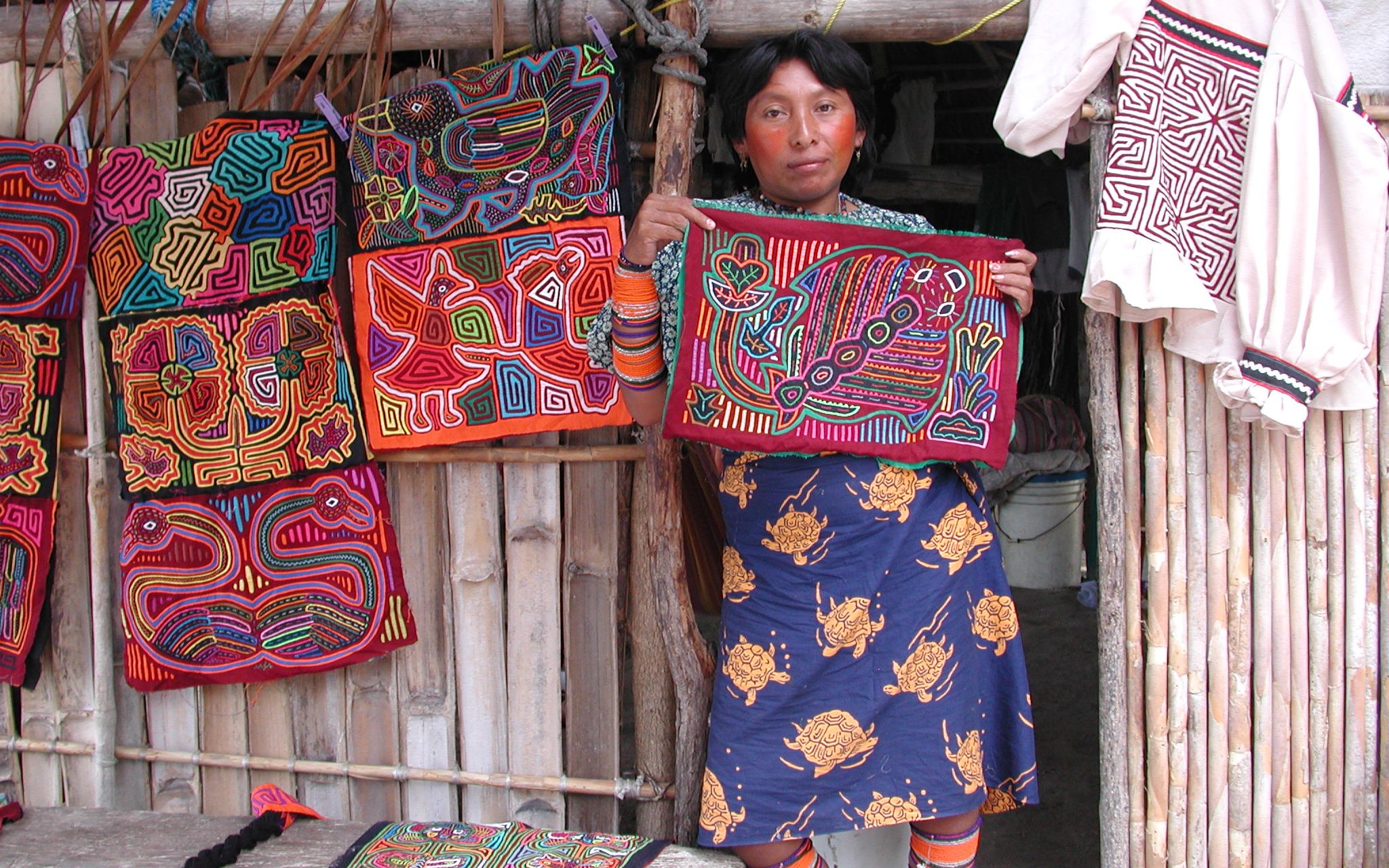
  • Which animals do you see?
  • What patterns are in these artworks?
  • Which of these Mola Cloths have symmetry?

Public;Slideshow;Cruising3;People

Student example:

20150520_105111

2nd grade- Monet’s Gardens

European-Museum-Night-Musee-lOrangerie-Paris

The 2nd grade is learning about impressionist artist, Claude Monet.  We learn about Linnea in Monet’s Garden, which is a book and a short movie, and I have both!  I love Linnea and how we learn about Monet’s gardens, his life, and his family.  It’s a great way to make personal connections with artworks!  The 2nd grade learns about Monet and then creates their own garden landscape based on Monet’s Japanese bridge paintings.


w1518t400[1]

Don’t forget the warm and cool colors. Which can you find in Monet’s paintings?


3rd grade- Van Gogh Self-Portraits

Part 2: Subject Matter- Portraits

The 3rd grade will continue their unit on the three types of subject matter.  We’ve learned that landscapes show nature, so now we’re learning that portraits show people. Which type of subject matter do you think is the most challenging, landscapes or portraits?  Why?

The 3rd grade is learning about Vincent Van Gogh and his artwork.  We learned that he painted using big brushstrokes that look like they are moving.  He put paint onto his canvas so thickly that it has texture.  This technique is called impasto.  We are learning that his artworks are full of emotion, especially his self-portraits.  Self-portraits are artworks artists make of themselves.  We are creating textured, self-portraits based on Van Gogh’s self-portraits.  We will use color to reflect our moods, just like Van Gogh.

Van Gogh’s Self-Portrait: Art Discussion

www.artbabble.org/video/ngadc/self-portrait-1889-vincent-van-gogh

Art with Mati and Dada- Van Gogh episode

IF you REALLY like Van Gogh, there’s an interactive Starry Night App.  It’s mesmerizing!


2nd gr.- Andy Goldsworthy Leaf Paintings

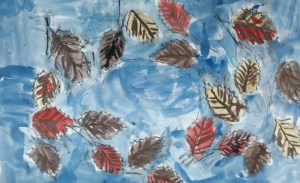
The 2nd grade has learned about geometric shapes and organic shapes. Organic shapes can remind us of things in nature, like leaves.

Andy Goldsworthy is an artist who uses organic shapes.  He creates artworks from items he finds in nature, like leaves, rocks, and snow.  The texture of his objects is very important.

He creates his sculptures and then leaves them outside.  What do you think happens to them when he leaves them outside? Why do you think he does that?

Does Andy always succeed? What do you think he does when things don’t go the way he planned?

In this video Andy creates Rowan Circle.  We will use this as inspiration for our paintings.

Here’s a link to more of Goldsworthy’s artworks. 

We will create leaf paintings showing organic shapes and texture like Andy Goldworthy.

5th grade: Bibelots at Headley-Whitney Museum

All 5th grade students who created bibelots, will have their artist statements and bibelot photographs on display.
From the Headley-Whitney Museum:

2016logocrop

Join us Saturday, November 19th from 12pm to 4pm for an afternoon of fun for all ages.

Two Exhibits are opening! Lots of Entertainment! Family Fun Raffle!

rackcardfrontImprobable Baubles: Fairy Tales
Our eighth annual Improbable Baubles exhibition, showcases the work of more than 1000 Central Kentucky students from ten area schools, and artwork by local artists, inspired by fairy tales from far and wide. Improbable Baubles is an innovative program that provides students with a professional art-making experience; they learn about bibelots—exquisite objects whose purpose is to delight the eye—then are challenged to create their own. The students vote which of their pieces will be put on display at the Museum. 150 pieces are on display and all of the participating students artist statements are available for viewing.

3rd gr. Matisse Collages

We’re going to learn about Henri Matisse, a famous French artist. Henri is known for his brightly colored paintings and collages. At the time, people thought his paintings were too bright, so they said he painted like a wild beast. Fauve means wild beast in French, so his style of painting is called Fauvism.

As Henri became older, he was ill and had a difficult time seeing his paintings. Instead of giving up, he started cutting out his “paintings” from paper. He used many organic and geometric shapes. He arranged his shapes in many ways until he had a interesting composition.

300px-The_Sorrows_of_the_King
wikipedia.org

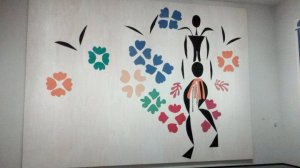
The Sorrows of the King shows musicians and a dancer, although it is called “Sorrows.” This artwork shows what makes the king happy. Art that shows feelings is called expressive. Think about what makes you happy. How will you show that in a collage?

Make a collage at NGA Kids:  http://www.nga.gov/kids/zone/collagemachine.htm

K-5 Collaborative “Team” project

Have you ever been part of a team? A family is a type of small team, while a company is a large team. You can be on a sports team, an academic team, or a team just for a board game.

This year, your class is your team. Your class will work and play together all year. You’ll create a pennant to represent what you bring to your class team.

What are you good at doing? Are you hard-working, smart, strong, opinionated? Are you patient, thoughtful, a good listener? Are you good at reading, working together, drawing? What skills do you have that could help your team?

How would you show those skills on your pennant?

Screen Shot 2016-08-04 at 8.41.04 AM

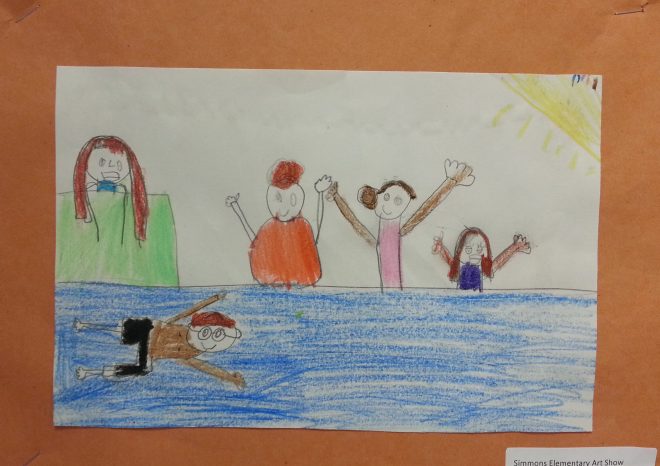
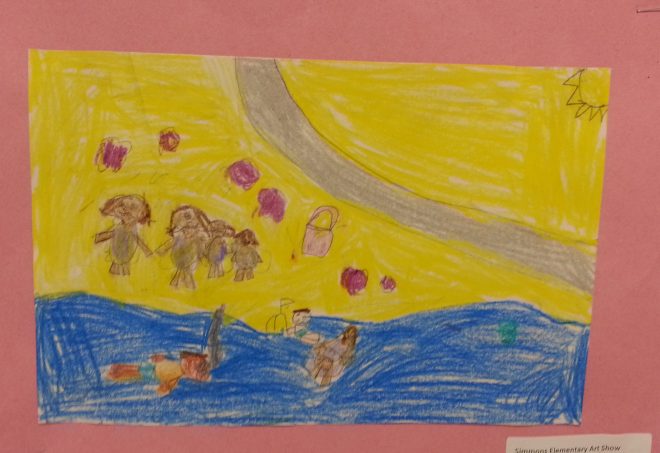
1st gr.- Summer Stories

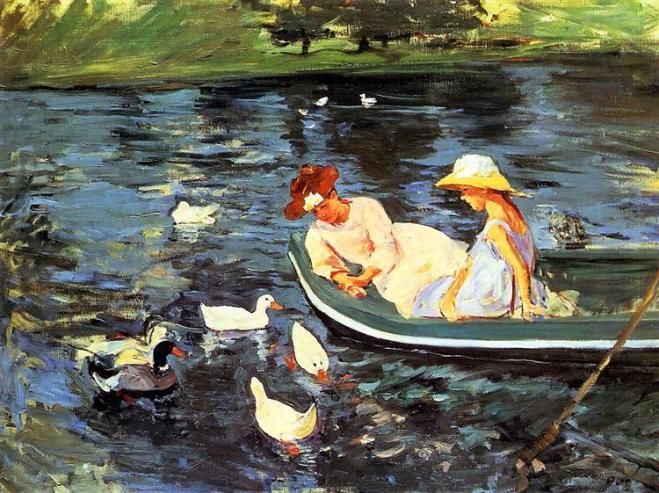
What did you do over summer break? Did you take a trip? Visit family? Play with friends? Artists make artwork showing how they spend their time. The artist, Mary Cassatt, is known for painting families, especially parents with their children. What did this family do for their summer?

Who is shown in this artwork? Are they family? Where are they? What are they doing? What is the weather? What clues does Mary give you?

www.wikiart.org
http://www.wikiart.org

You will draw an artwork telling a story of something you did with your family this summer. Make sure to draw yourself and your family in your artwork. Show their bodies, faces, and clothes, don’t draw stick people!

20131008_163214 20131008_163209

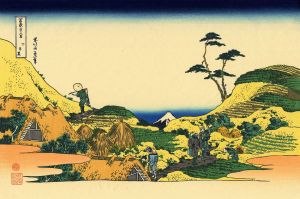
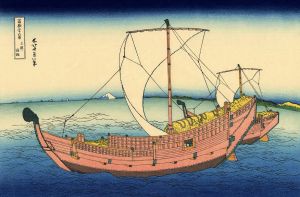
Artist: Katsushika Hokusai

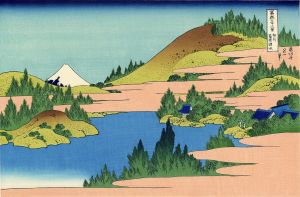
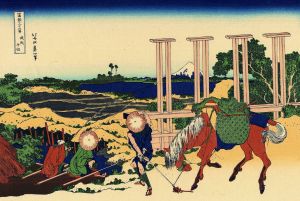
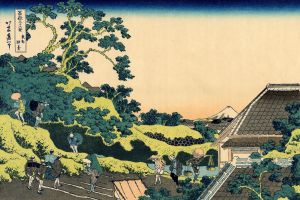
The Japanese artist, Katsushika Hokusai, created a series of prints showing 36 Views of Mount Fuji. Hokusai’s artwork shows us about life in Japan and what was valued during his lifetime. How does your artwork show about your community and what’s important to you?

Let’s learn about the artist.

What stories is Hokusai telling us about life in Japan?