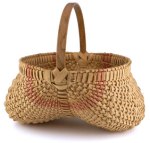
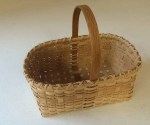
3rd grade- Appalachian Basket Weaving

The third grade is learning about Appalachian art forms.  Appalachian folk art is a traditional art form, which means it’s usually passed down through families.  We will learn to weave yarn on a loom.
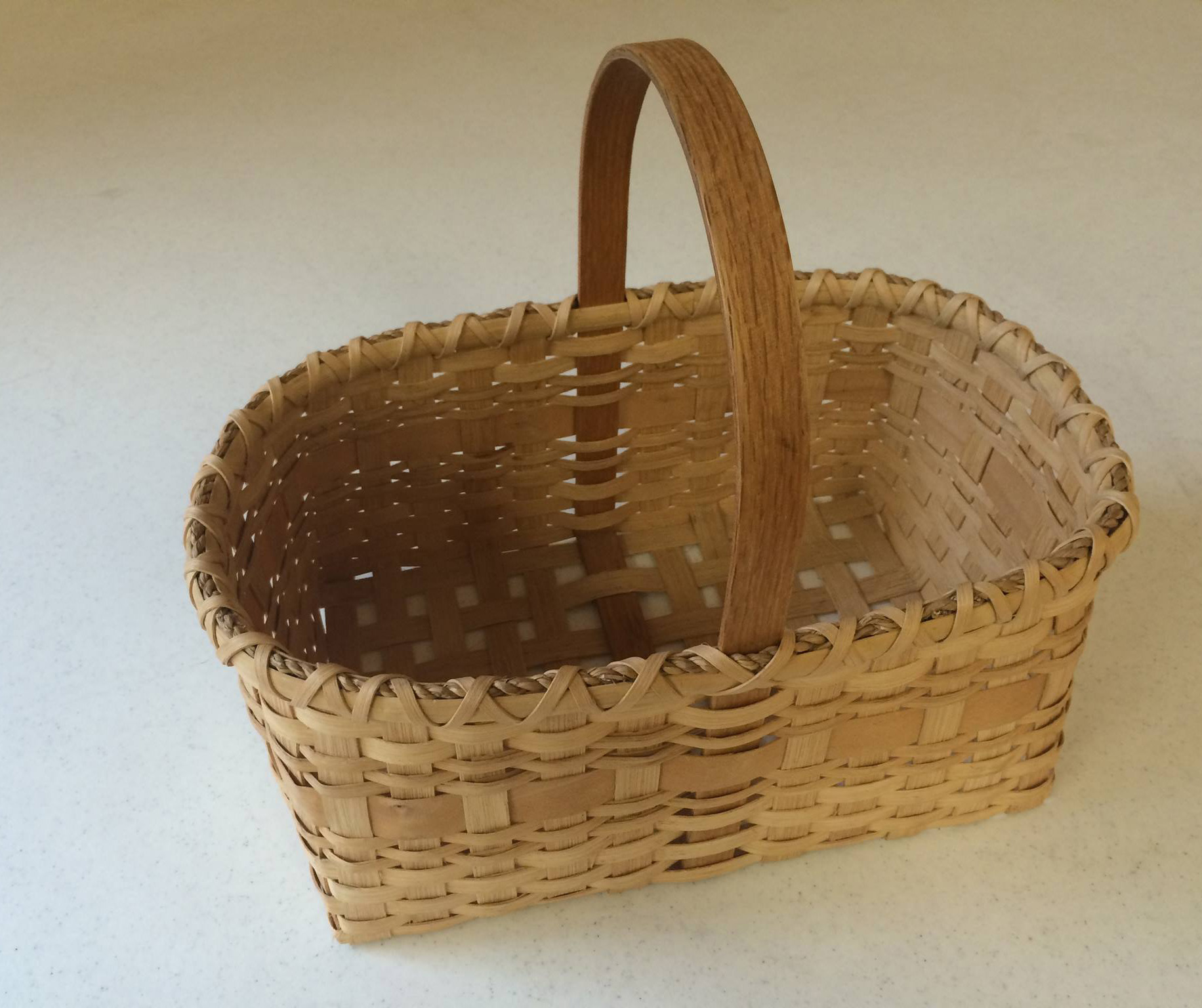
Watch the following two videos (one has a link). What similarities are there between West African and Appalachian basket weaving?

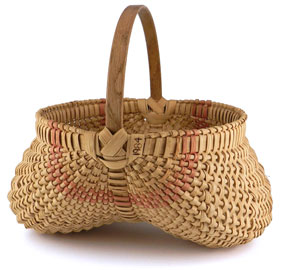
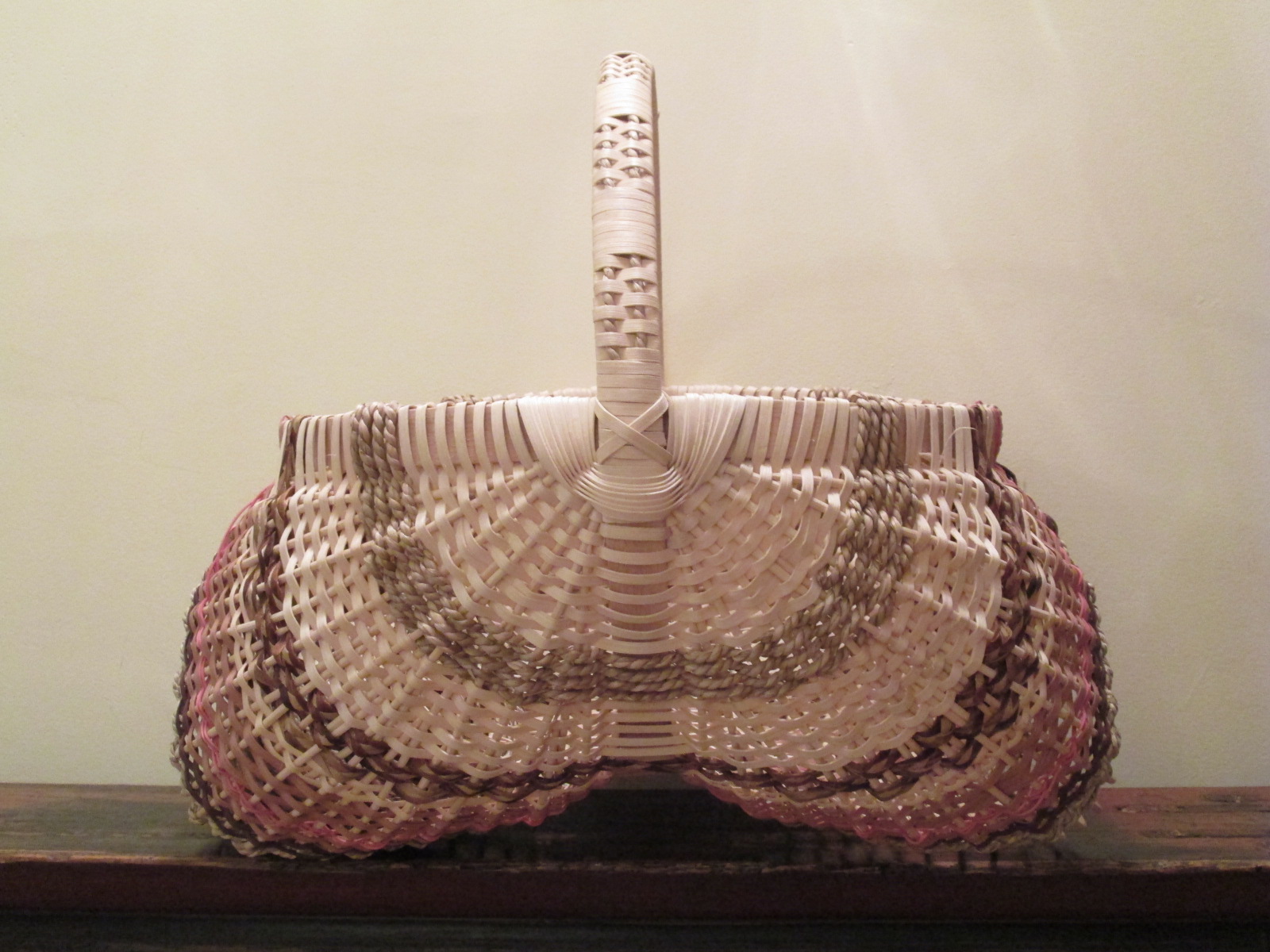
Video for Appalachian Egg Baskets

Day 1:

  • Write your name & class on the back (the side you put food).
  • Cut on the lines to make little slits. Do not cut into the middle. Keep your plate looking like a smile, do not flip it around to look like a rainbow.
  • Your teacher will pass out some yarn.
  • Tape a string to the LEFTHAND corner on the back.
  • Begin weaving, over, under, over, under. When you reach the end of your plate, weave in the other direction.
  • At the end of class, wrap your extra yarn like you see below in step 1.
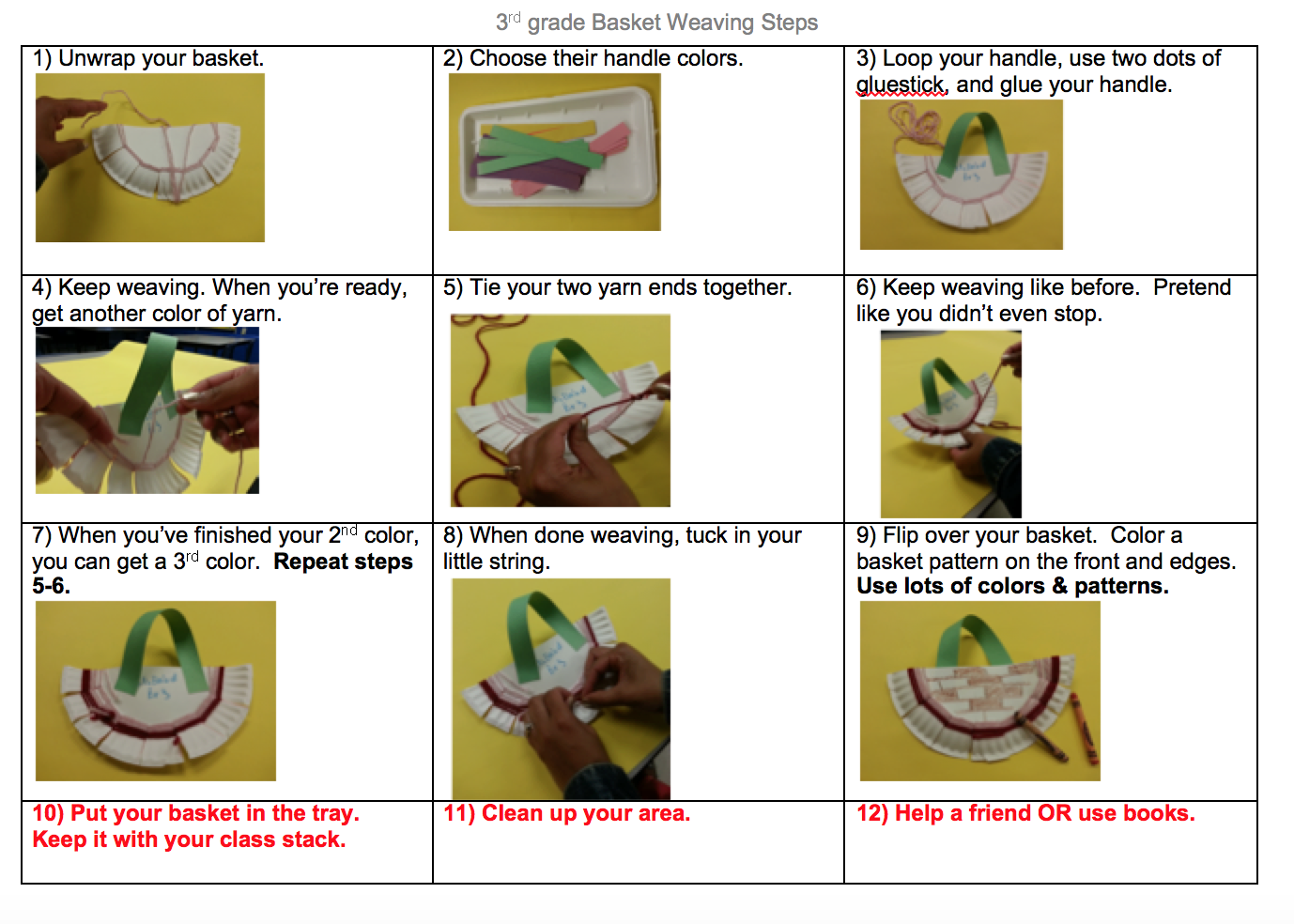
Basket Weaving Steps

Day 2 & 3:

Two student examples: look at how much weaving they did!

Kindergarten- Quilt Patterns

Kindergarten has been learning about functional art, such as pinch pots and baskets.  They will learn that Appalachian artists make quilts, which are also functional.  Functional art is art that can be used, such as quilts, pottery, and rugs.

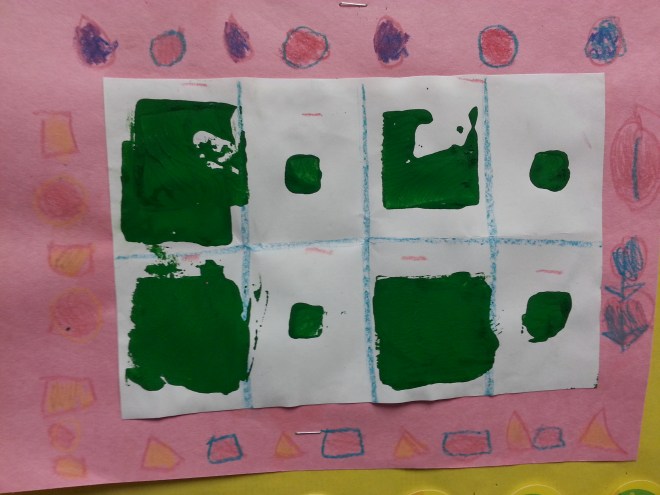
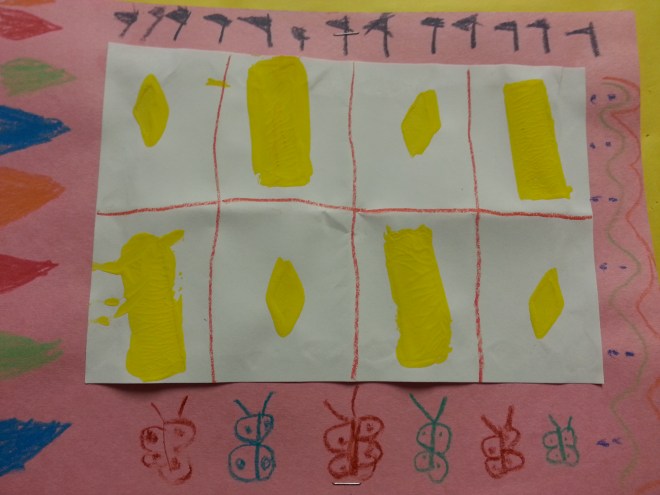
Quilts often use patterns. Can you find patterns in these students’ quilts?

5th grade- Paper Mache African Animal Masks

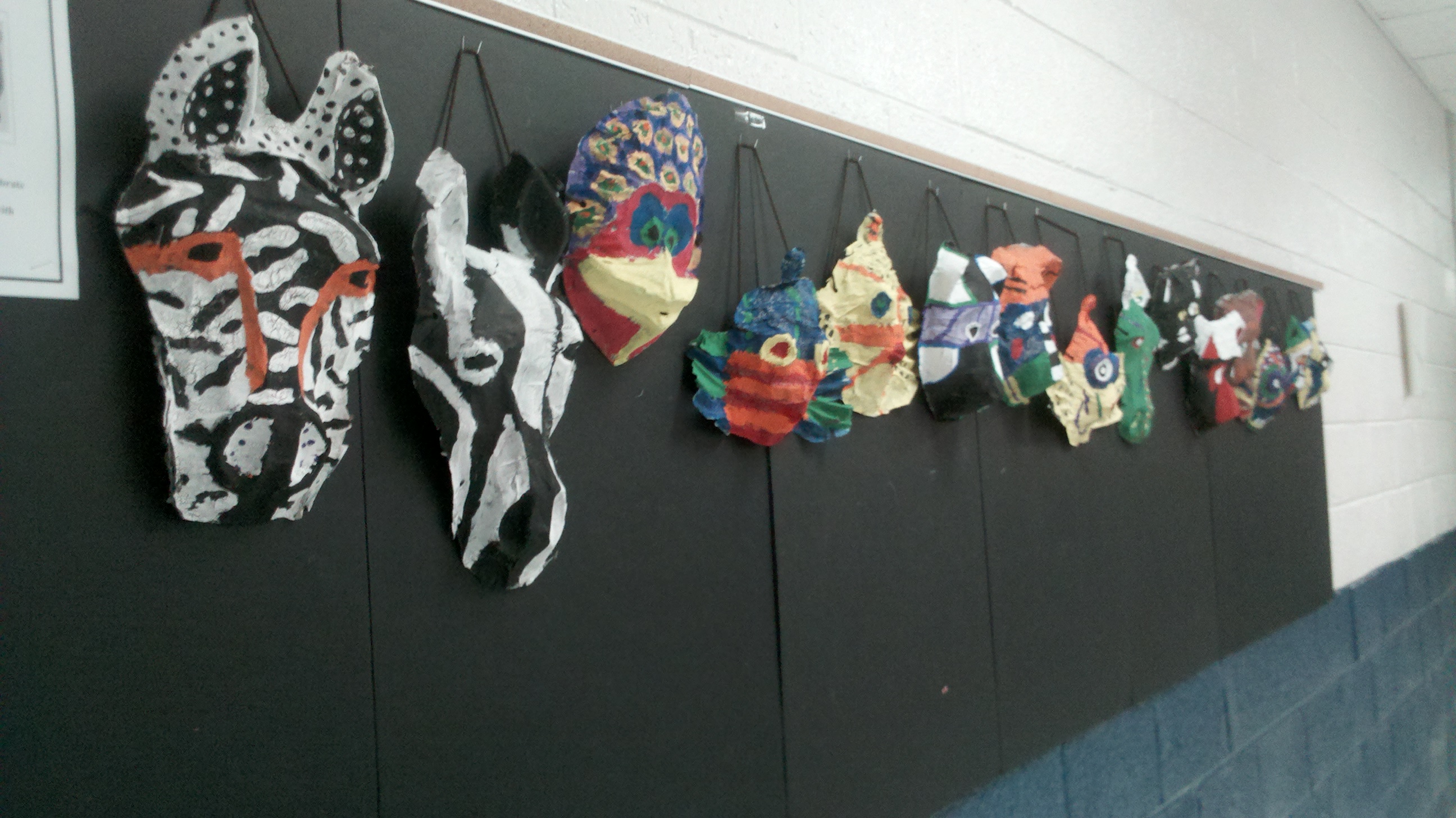
The 5th grade has learned about ceremonial and functional artwork.  We’re building upon our knowledge of ceremonial African masks from last year.  Students will learn a new process for creating artwork called paper mache.

Here’s the PowerPoint we’ll use for this lesson. We’ll focus on the African Mask section. Masks from Around the World

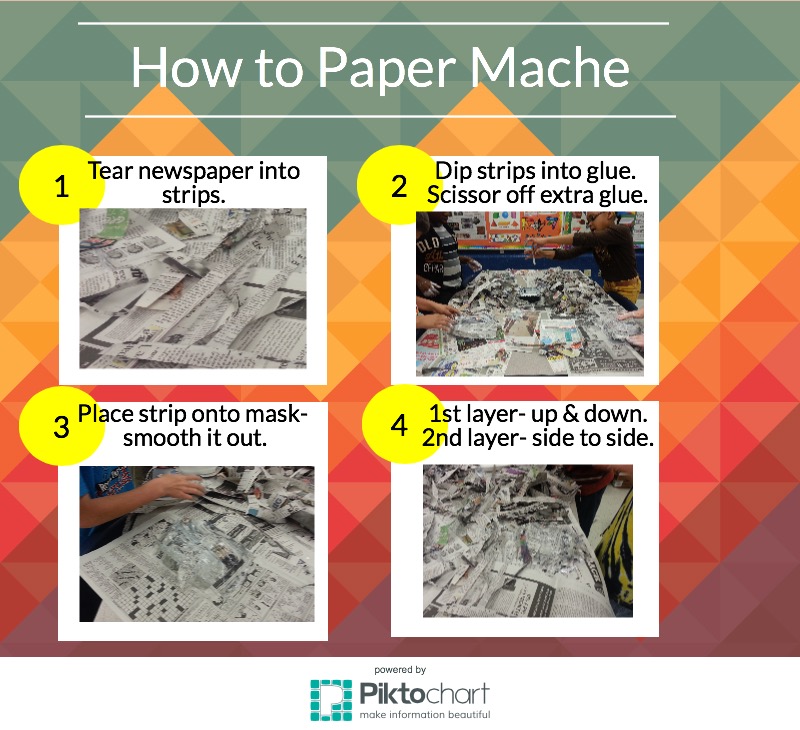
paper mache steps


Here’s the rubric for this lesson. Our goals for this project:

  • creatively use line, shape, color, & form to represent a stylized animal
  • have good effort and focus
  • mask construction is not broken or incomplete
  • written reflection

2011-04-26_11-06-00_701


20150522_144449


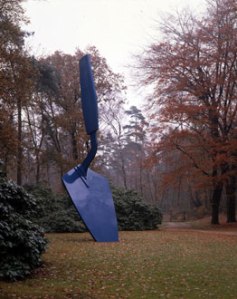
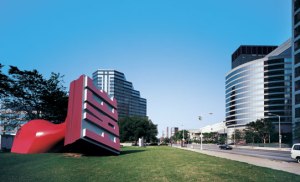
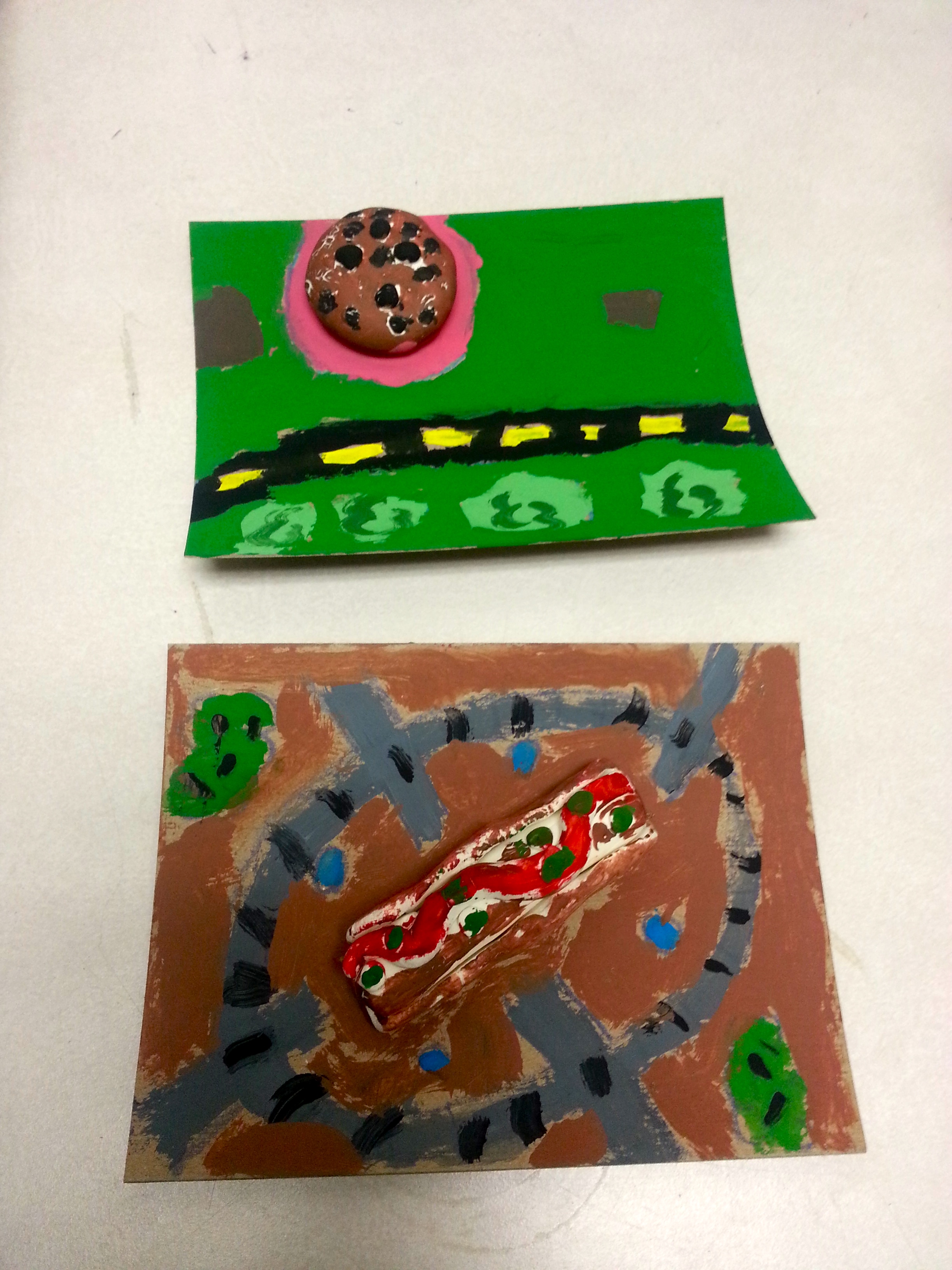
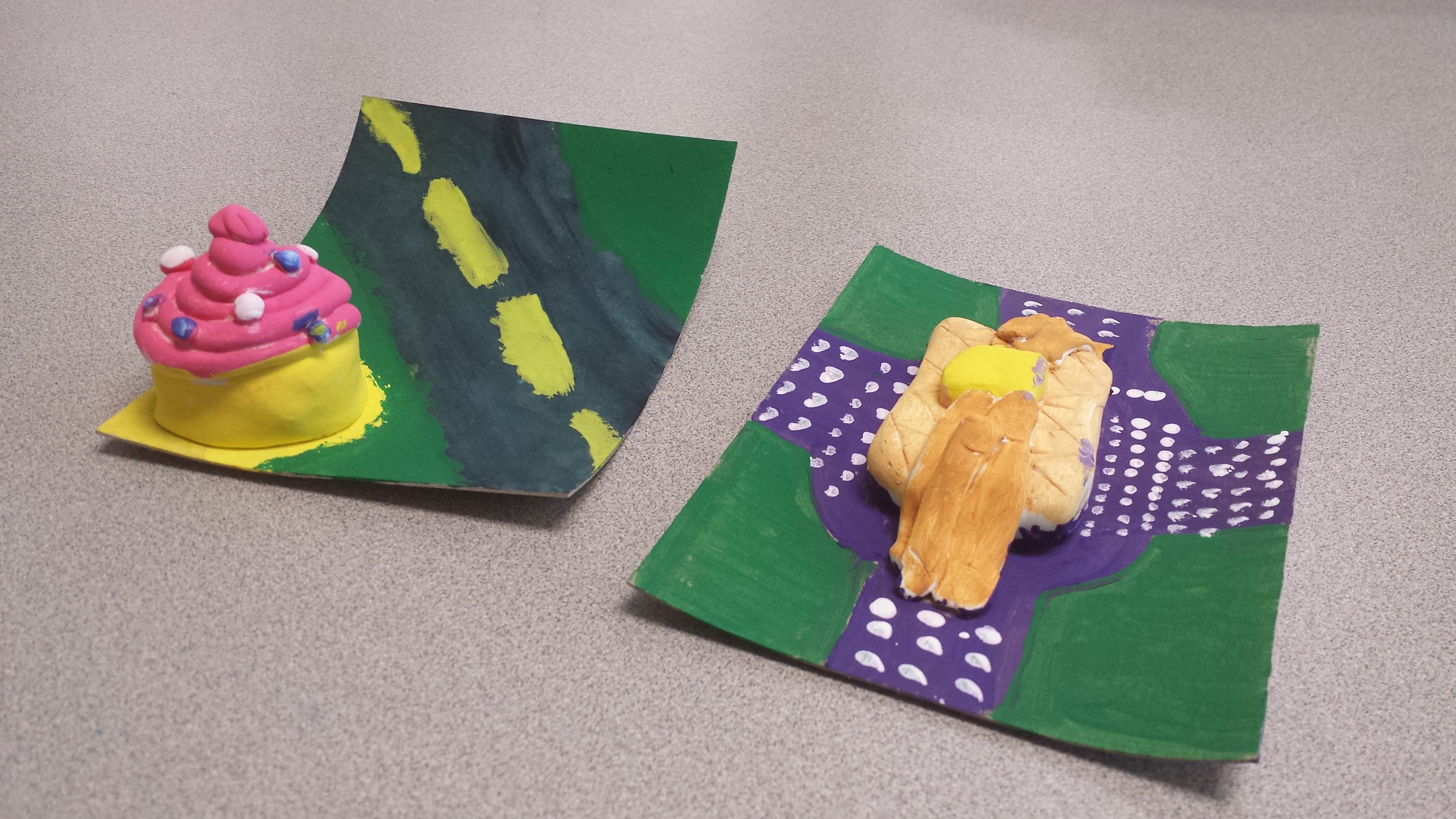
Artists: Claes Oldenburg & Coosje Van Bruggen, pop artists

Claes Oldenburg and his wife, Coosje Van Bruggen, are known for their large-scale sculptures.  Often these sculptures show food and everyday objects, such as thumbtacks. He creates two types of sculptures: large-scale projects and soft sculptures.

Soft Sculptures

Large Scale Projects: Think about each sculpture’s texture, details, and environment.

Student examples:


20130424_101903

20150522_144306


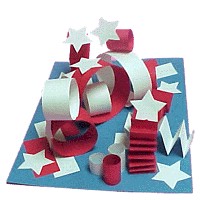
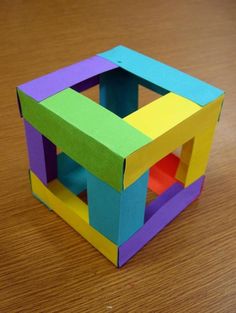
K-5th Transformation Paper Sculptures

Did you know that art always changes something?  Another word for change is transformation.  Think about when you make a painting.  Do you start with supplies and end up with something like this? Well, maybe not just like this.

Art is all about transformation.  Cornelia Parker is an artist who takes items, like forks and trombones, and transforms them into sculptures. Click the photo for video.

Screen Shot 2015-04-24 at 2.46.18 AMToday, you’re going to take two, 2-D (flat) pieces of paper and transform them into a 3-D sculpture.

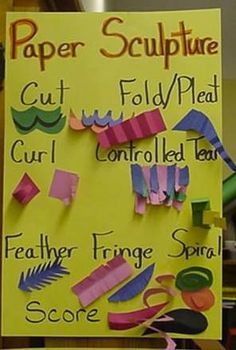
  • What can you do to change a paper? Fold, cut, tear, glue, color, bend, wrap, curl… be creative!
  • Are you going to turn it into something recognizable? A flower, airplane, box, pyramid, bracelet, necklace, swan… OR are you going to make it something new?
  • Use as much of your papers as you want.  You have two pieces and may trade pieces with your table.
  • Best Art Tip: color your paper before you start gluing pieces together.


Special Request: Buckets, pails, and tubs

The fifth grade is preparing to do paper mache masks and we need some help!  Please donate any clean buckets, pails, or tubs that you may have at home.  Anything that will hold a glue mixture will work.  An extra special “thank you” if you can donate the matching lid!

Image converted using ifftoany
Something like this would be splendid!


Kindergarten Picnic Baskets

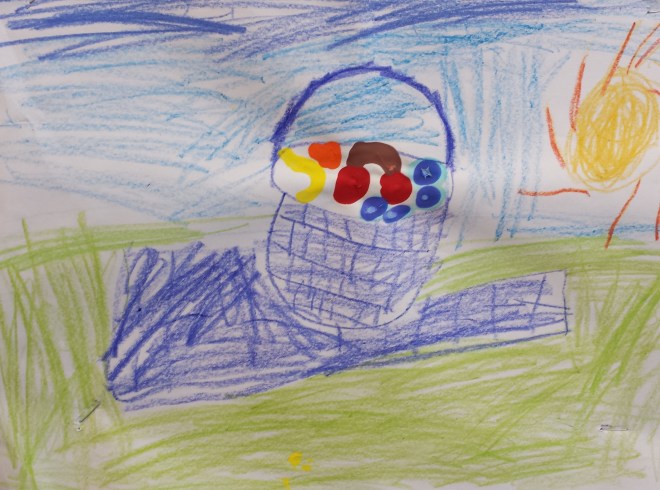
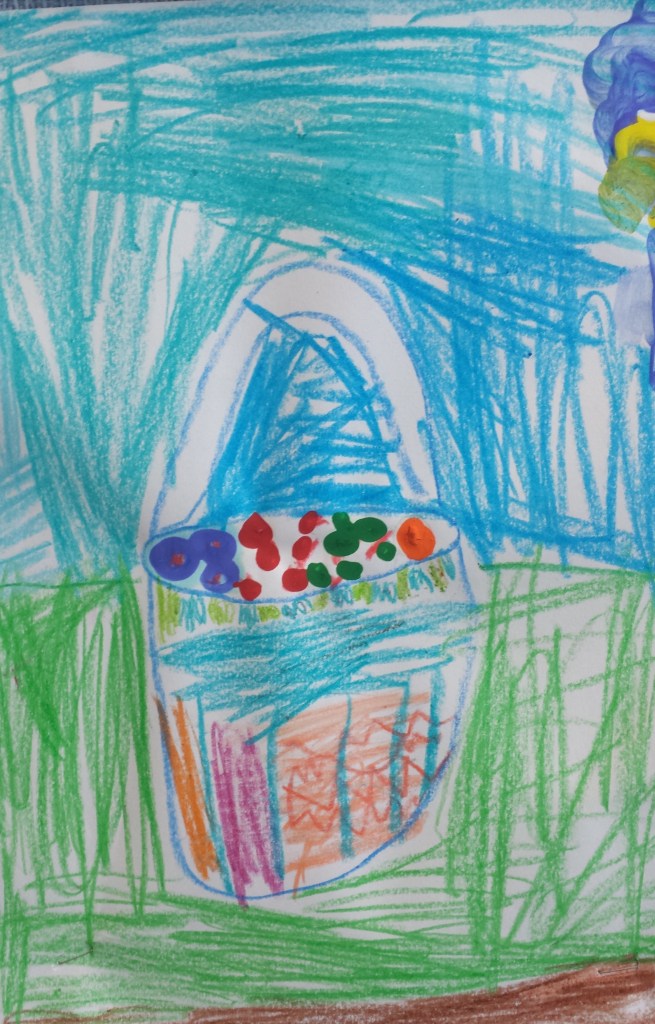
The kindergarten is learning about functional art forms, which means it’s art that can be used.  They will learn that basket-making is a functional art form. Students will learn to draw a basket and then fill it with their favorite picnic supplies.

Here’s how baskets are made:

What will you pack in your basket?


http://blogs.rspca.org.uk/

Student examples:

2nd-5th Opt Art Drawings

Opt Art, or Optical Art, is a style of art that creates an illusion to trick your eyes.  Opt Art can be on paper, painted on a wall, or even a street.  Street artists all over the world create Opt Art, or 3-D Street Art, that people can interact with.

Edgar Muller made a large 3-D Street Artwork called: The Crevasse.  What would you do if you saw a giant canyon like this on the street?  Would you play in it, be afraid to go near it, or pose in a funny way?

Here’s another 3-D Street Artwork that visitors can be a part of.  Look at how much fun people have pretending to be in the library!
4th & 5th graders: Julio Jimenez tells how he got started creating Optical Street Art.  He started by drawing on paper, just like you!  

  • Where does Julio get his inspiration?
  • Does his drawing look the same from ALL angles?  
  • What materials (or media) is he using?

How can you do that?  Here’s how!

Now, it’s your turn… (photos below)

  1. Place your hand on the paper, spread out your fingers.
  2. Lightly trace your hand and wrist in pencil.
  3. With a marker, start by drawing a straight line across the bottom of your page that “bumps” over your wrist.
  4. Leave a little space and repeat your line that “bumps” over your wrist. Repeat this step as you go over your each finger.  Fill your page, not just your hand.
  5. Color in your lines with markers: a pattern, a rainbow, anything!
  6. If you complete your artwork: WITH PERMISSION, you may get a drawing/ reading book and paper. 

hand examples
http://krokotak.com/


“Celebrating Art” Art Contests

Southside students, would you like to participate in an art contest?  Entries are due near the start of school, so don’t forget!

Click the image to go to www.celebratingart.com

Why Enter???
Win Prizes
Receive Recognition

Each student may enter one art piece for each contest.
Must enter online. Do not mail art as it will not be entered in the contest or returned.

Contest deadlines:
December 10, 2014, extended February 5, 2015, April 9, 2015, August 22, 2015 ***This is the upcoming school year, but art can be turned in any time before August 22nd. If you’d like me to upload your work, please turn it in before Monday, August 17th.

Prizes: Ten winners in each grade division K-3, 4-6, 7-9, 10-12 for each contest and their art teachers will share over $5000 in prizes. Winners will also receive a free copy of the art book which includes their work. Other entries of merit will be invited to be published in our full color art book. Teachers who have 5 or more students published will receive a free copy of the book that features their students. Types of art: Any art that can have a still digital image. Paintings, computer graphics, sculptures, drawings, etc. Take a picture of your art. This is not a photography contest.

Best Art Tips:  Make sure the art is yours and original- not traced or copied.  If your artwork is on paper, it should be unlined paper.  Lined notebook paper doesn’t photograph as well as solid-colored papers.

5th grade: DC Trip

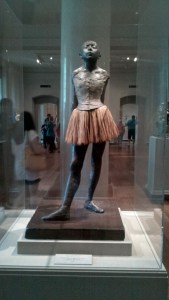
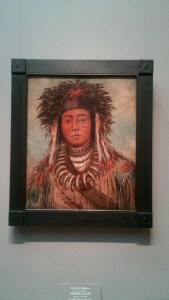
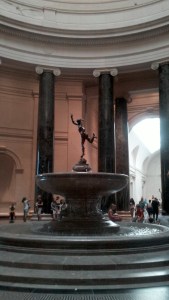
I am so excited to go to Washington D.C. with the 5th grade next week. I am even more excited to give four, one-hour tours of the National Gallery of Art. Students will see some of the artists and artworks that we’ve been studying since kindergarten. I can’t wait!

The National Gallery of Art’s Visitor Page

Screen Shot 2015-04-08 at 3.06.44 PM

Do you recognize some of these artworks? Which ones do you want to see?

This is Leo Villareal’s installation artwork, Multiverse.  It’s a “tunnel” between the East and West Buildings.  He made this!  This is an artwork!  Walking through it always makes me feel like I’m in a music video!