Contest: 2017 National School Bus Safety

“National School Bus Safety Week is an active and evolving public education program and an excellent way for parents, students, teachers, motorists, school bus operators, school administrators, and other interested parties – to join forces and address the importance of school bus safety. Designed to promote school bus safety, school districts throughout the country observe School Bus Safety Week – held during the third week in October each year.

The centerpiece of National School Bus Safety Week is the National SBSW Poster Contest. Thousands of school districts in over 40 states participate in local and state-level competitions to select art work that depicts school bus safety-related themes and encourages and promotes school bus safety. The winning posters are used to promote safer school transportation for everyone.”- NAPT.org

Click link below for more information and to download contest rules.

http://www.napt.org/content.asp?contentid=207

Artist: Jim Bachor

Have you ever seen a pothole? They’re usually bumpy to drive over on the road. A Chicago artist, Jim Bachor, turns potholes into mosaic works of art. He calls his artworks “unexpected joy.” What would you think if you saw an artwork in a pothole? What design would you put in a pothole?


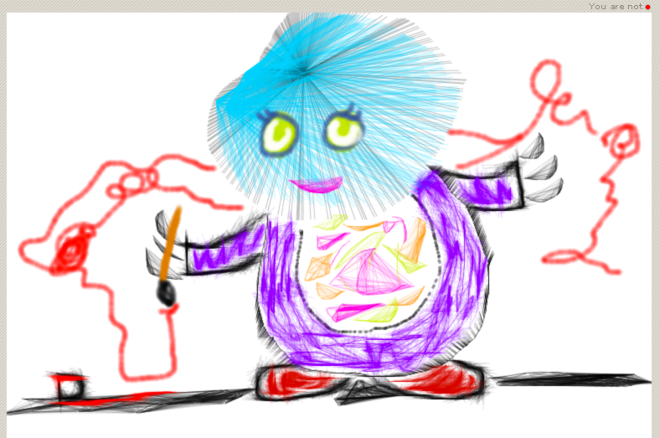
K-5: Messy Monsters

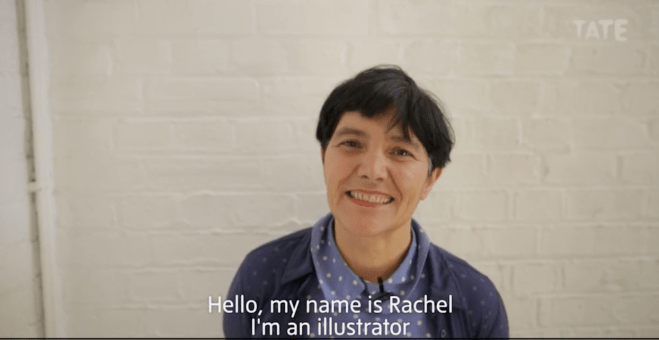
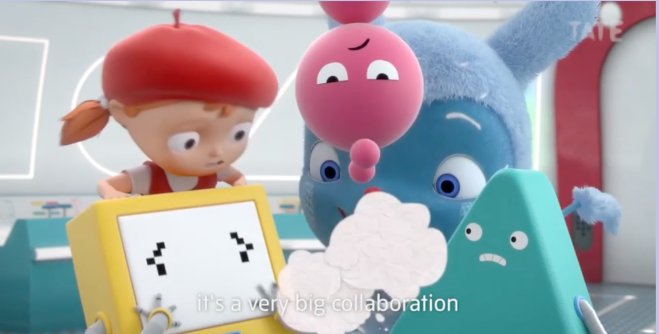
Have you ever wondered how cartoons or video games characters are made? It all starts with a a drawing. Click on the photo below to watch more about designers and illustrators.

Screen Shot 2017-02-15 at 9.39.58 PM

Steps:

  1. Think of your own Messy Monster. Messy Monster is your imaginary friend who makes messes in your house, your desk, your backpack, the car…wherever it might live.
  2. Design your Messy Monster. What will it look like? Will it have friends?
  3. Carefully color your Messy Monster. Don’t forget to show where it lives and what it’s getting into!
  4. Take home your artwork with you.


Upcoming Art Project: Art to Remember 2017

Southside Parents & Families,

This March, all grades (preK-5) will create artworks for the Art to Remember fundraiser.  Art to Remember provides families with an easy way to have their students’ artwork turned into some pretty cool items, such as iPhone covers.  If you love your students’ artworks and want to take them with you everywhere, you are in luck, that is exactly what Art to Remember helps you do!

ATRform

Our grade level themes are shown below. Ordering information will be posted on Ms. Baird’s website and sent home. For more information, please visit the Art to Remember website . Click here for a full listing of products. 


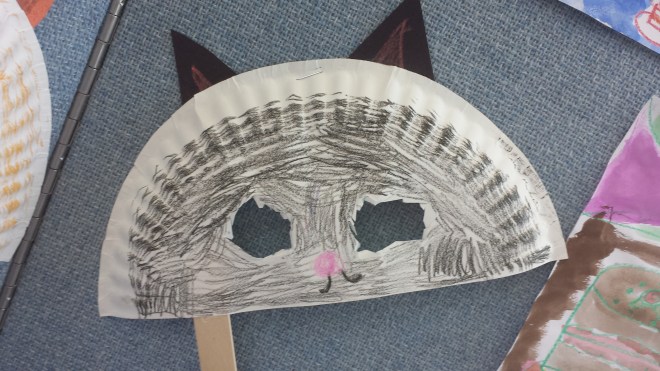
1st grade Animal Masks

Art can also be used for celebrations and special occasions.  Art made for those purposes is called: ceremonial.

Masks are ceremonial artworks.  Masks can change the way people look, act, speak, and feel.  Often, masks are used to celebrate something special.  What animals are these masks celebrating?  Do these masks have symmetry?

The Yupik Native Americans are using masks in their celebration. Which animals are they celebrating? Are the dancers acting differently while wearing their masks?

Have you ever worn a mask?  What was it of?  How did you act with your mask on?

pixgood.com
pixgood.com

Student examples:

5th grade Dale Chihuly Sculptures


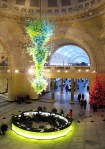
Dale Chihuly is a contemporary artist who creates brilliant glass sculptures.  The fifth grade will be looking at his artwork and creating their own “glass” sculptures using transparency film.

Artrageous with Nate shares information on Chihuly, including a biography and artworks, with a little history of glass.

Some questions to think about:

  • What do you think about Chihuly working collaboratively with other artists?  Is it wise, necessary, important, fair, creative?
  • Why do you think so?
  • Do you think it’d be easier or more challenging to create art with other people?
  • Compare Dale Chihuly’s challenges to the challenges faced by Evonne Jacquette and Stephen Wiltshire.  Do all artists have challenges?  Do challenges help you to become a better artist?

This video shows how Chihuly’s chandelier sculptures are assembled.

This last video shows many examples of Chihuly’s work, including his chandeliers and macchia (small vessels).


1st grade- Mola Cloth Paintings

The first grade is learning about Mola Cloths made by the Kuna people of Panama.  They are colorful fabric designs sown onto clothing, especially women’s clothing. Can you find Panama?

screen-shot-2017-01-05-at-8-42-03-pmThe designs often show animals and flowers.  Some Mola Cloths have symmetry, which means both sides are equal.  Most Mola Cloths show colorful patterns.
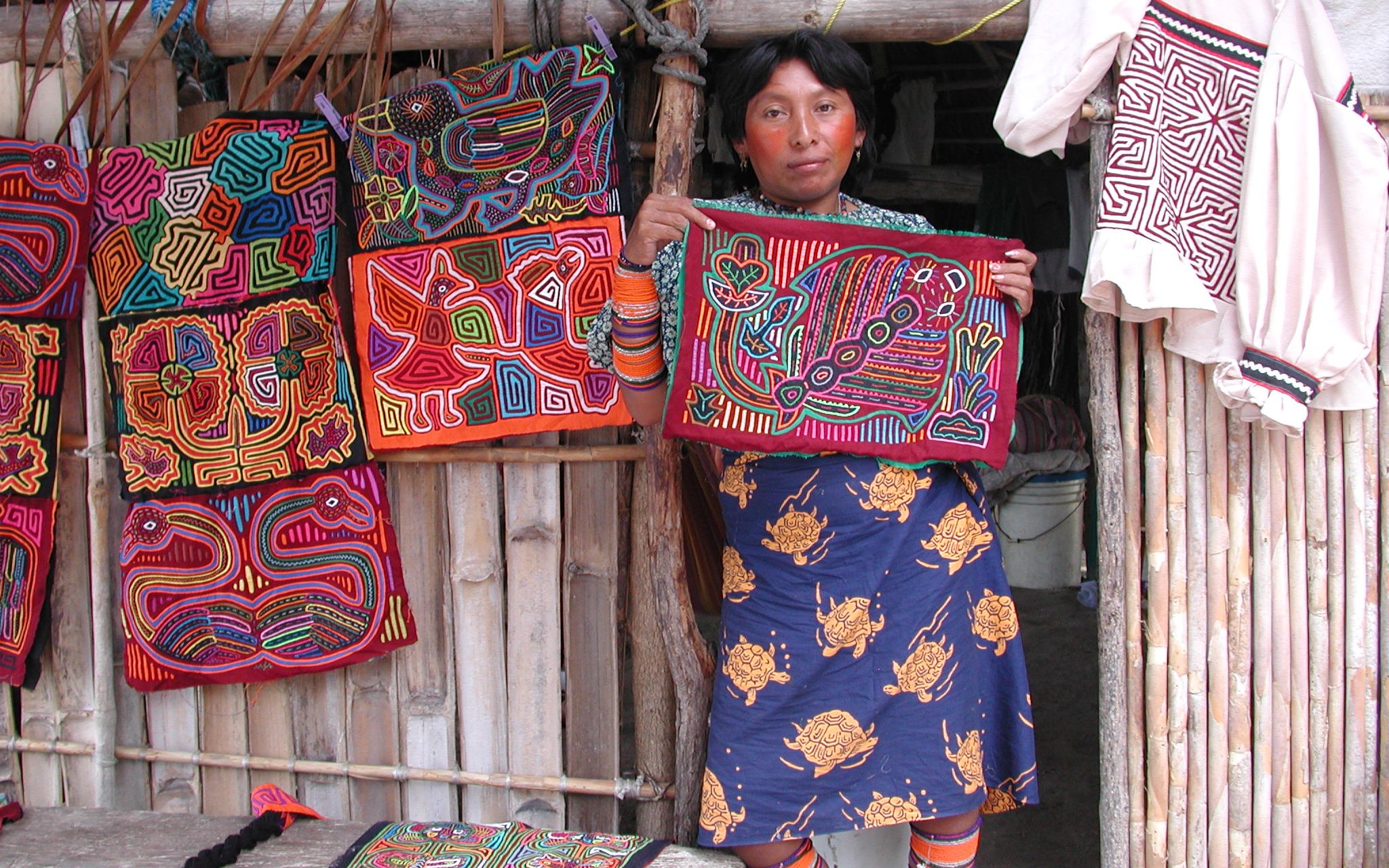
  • Which animals do you see?
  • What patterns are in these artworks?
  • Which of these Mola Cloths have symmetry?

Public;Slideshow;Cruising3;People

Student example:

20150520_105111

2nd grade- Monet’s Gardens

European-Museum-Night-Musee-lOrangerie-Paris

The 2nd grade is learning about impressionist artist, Claude Monet.  We learn about Linnea in Monet’s Garden, which is a book and a short movie, and I have both!  I love Linnea and how we learn about Monet’s gardens, his life, and his family.  It’s a great way to make personal connections with artworks!  The 2nd grade learns about Monet and then creates their own garden landscape based on Monet’s Japanese bridge paintings.


w1518t400[1]

Don’t forget the warm and cool colors. Which can you find in Monet’s paintings?


3rd grade- Van Gogh Self-Portraits

Part 2: Subject Matter- Portraits

The 3rd grade will continue their unit on the three types of subject matter.  We’ve learned that landscapes show nature, so now we’re learning that portraits show people. Which type of subject matter do you think is the most challenging, landscapes or portraits?  Why?

The 3rd grade is learning about Vincent Van Gogh and his artwork.  We learned that he painted using big brushstrokes that look like they are moving.  He put paint onto his canvas so thickly that it has texture.  This technique is called impasto.  We are learning that his artworks are full of emotion, especially his self-portraits.  Self-portraits are artworks artists make of themselves.  We are creating textured, self-portraits based on Van Gogh’s self-portraits.  We will use color to reflect our moods, just like Van Gogh.

Van Gogh’s Self-Portrait: Art Discussion

www.artbabble.org/video/ngadc/self-portrait-1889-vincent-van-gogh

Art with Mati and Dada- Van Gogh episode

IF you REALLY like Van Gogh, there’s an interactive Starry Night App.  It’s mesmerizing!


2nd gr.- Andy Goldsworthy Leaf Paintings

The 2nd grade has learned about geometric shapes and organic shapes. Organic shapes can remind us of things in nature, like leaves.

Andy Goldsworthy is an artist who uses organic shapes.  He creates artworks from items he finds in nature, like leaves, rocks, and snow.  The texture of his objects is very important.

He creates his sculptures and then leaves them outside.  What do you think happens to them when he leaves them outside? Why do you think he does that?

Does Andy always succeed? What do you think he does when things don’t go the way he planned?

In this video Andy creates Rowan Circle.  We will use this as inspiration for our paintings.

Here’s a link to more of Goldsworthy’s artworks. 

We will create leaf paintings showing organic shapes and texture like Andy Goldworthy.