2-5th grade 30 point challenge

Get your brain thinking creatively!

  1. Work in pairs or small groups.
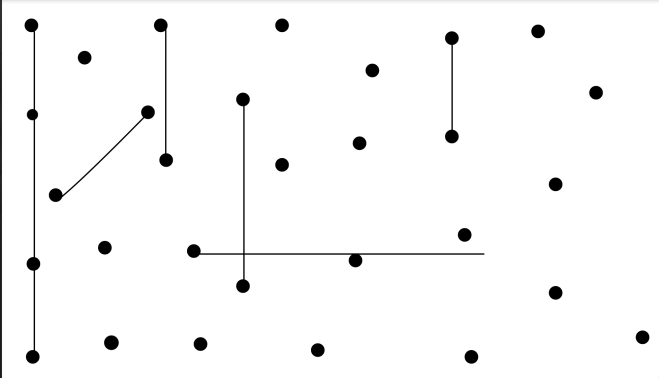
  2. Draw 30 points (or dots) anywhere on your paper.
  3. Connect all of the dots, in any way, with any materials. How will you make it look like a complete artwork that all goes together?
  4. Work collaboratively to complete this challenge.


What is TAB and Choice-Based Art?

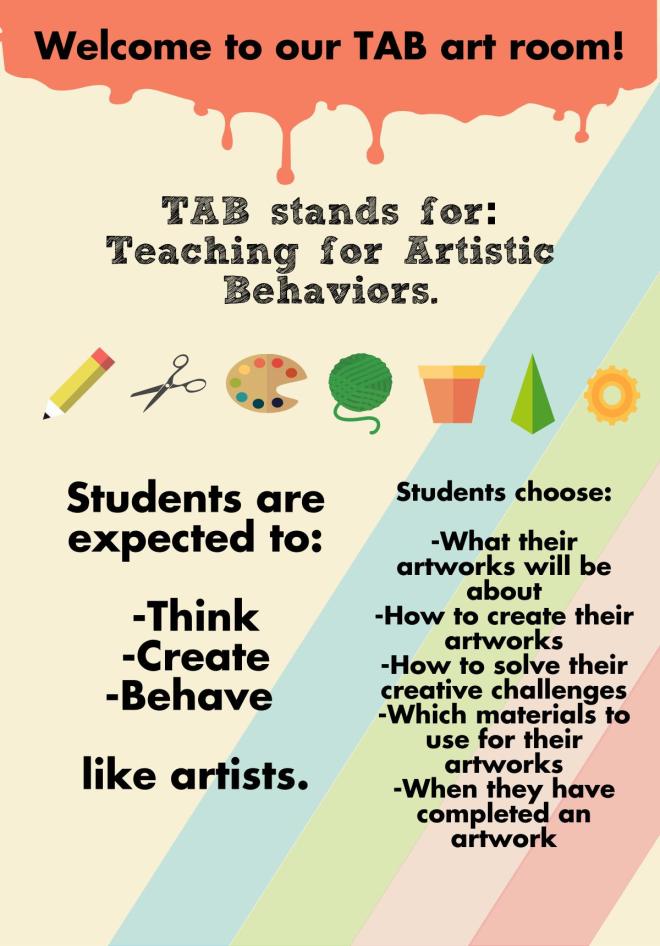
What is going on in the art room?!  We’re now a TAB (Teaching for Artistic Behaviors) and choice-based art classroom.  Here’s some information on what to expect this year. 

How will my child show progress with TAB? These are the development stages for artistic development.  TAB allows children to move through these stages at their own pace. Students will show growth weekly, monthly, and yearly. Students keep portfolios to reflect on how they’ve grown.

Here’s more information:

Read more about 21st Century Skills here.

Read more about TAB: http://teachingforartisticbehavior.org

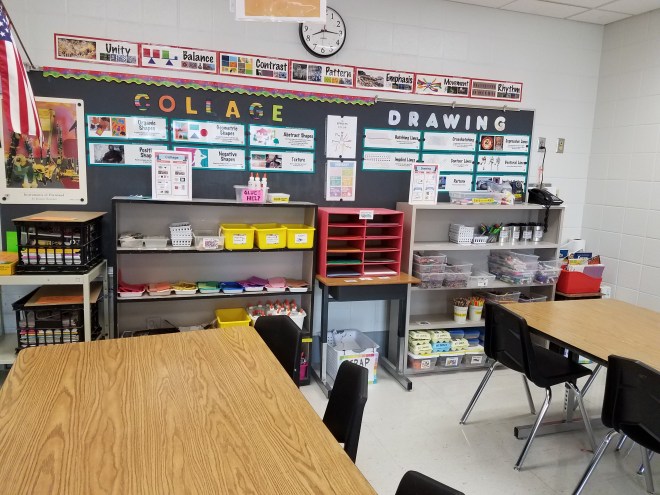
Here’s a view of our TAB classroom. I’ll make small changes as we learn and grow, but this is how our room is organized at the beginning of the year.


5th grade- 2018 Improbable Baubles with the Headley-Whitney Museum

The fifth grade will work on a collaborative project with the Headley-Whitney Museum to create sculptures, write artist statements, and participate in a museum exhibition!

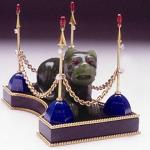
The Headley-Whitney Museum is home to a collection of George Headley’s bibelots. A bibelot (pronounced bee-bah-low) is a small, decorative object. Here are some of George Headley’s bibelots:

Like George Headley, we will create bibelots. We will turn “trash” into “treasures.” You may bring in items from home. Keep in mind: all bibelots must fit in our “SIZE BOX.”

So what are we doing? 


Rules

  • No violent or inappropriate themes
  • Your piece must fit in the size box.
  • At least 50% of your piece must be recycled materials
  • Your piece should be appealing from all sides
  • East artist will complete a bibelot, a photograph of their bibelot, and an artist’s statement

DATES TO REMEMBER:

Opening reception to celebrate: Saturday, November 17

November 17-December 22: Our bibelots will be on display at the Headley-Whitney Museum! All participating students will have their artist statement and photograph exhibited.

TAB- Update: First Two Weeks

Life is good in the art room! Students are learning about our new centers and we’ve opened up three out of eight so far: drawing, inspiration, and collage. We’ll be opening up a new one each week.

*New this year:  Each student has a portfolio to keep his/her artwork in. Students will choose which artworks will be displayed at school and which artworks to bring home.


New ideas, new school year!

Welcome back to Southside!

This year will bring some changes in the art room. We’ll have a T.A.B. art classroom this year. T.A.B. stands for teaching for artistic behaviors. Learn more about T.A.B. here. I’m so excited!

We will open centers one at a time. After several weeks, we will have these centers open: drawing, collage, painting, fiber arts, inspiration, sculpture, and rotating. The rotating center will have different options throughout the year, such as: clay, architecture, and printmaking.


K-Inside spaces

Artists think about the spaces around them. They look at things they see outside and inside. Artists who design spaces inside are called architects.

Here is Vincent Van Gogh’s bedroom. He liked it so much he painted it three times. What is your favorite inside space? Why?

800px-Vincent_van_Gogh_-_The_Bedroom_-_Google_Art_Project
Vincent Van Gogh, Bedroom at Arles, 1889

3rd gr.- Assemblage Sculptures

Abstract art lets artists use their imagination and create unrealistic art. Abstract art can even be a sculpture. Artist, Louise Nevelson, created abstract sculptures from pieces of wood that she found. She assembled the wood into sculptures. This type of sculpture is called an assemblage.

We will make abstract wooden assemblages inspired by Louise Nevelson. Goals:

  1. My assemblage can stand on its own.
  2. My assemblage uses many different shapes.
  3. My assemblage includes at least one object that I found.
  4. My assemblage is all painted.
  5. I can talk about what my assemblage could mean.

Bernard Williams is also an assemblage sculptor. How do his sculptures look different from Louise Nevelson’s?