Kindergarten- Paul Klee Neighborhood Collages

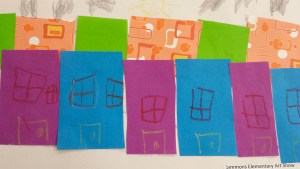
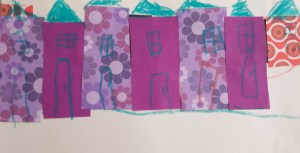
Kindergarten has been learning that patterns repeat.  Can you find patterns hiding in Paul Klee’s painting, Castle and Sun? Does this city look crowded with so many buildings so close together?  Does this city look like your neighborhood?  We will create our own city collages with patterned papers.
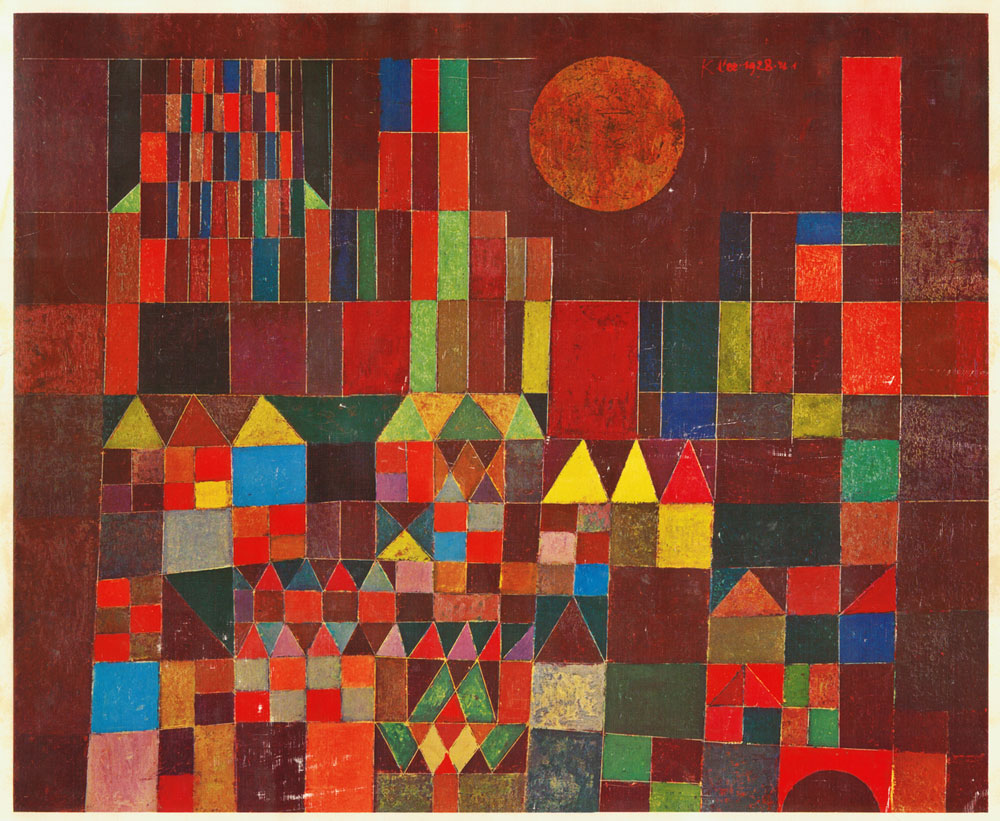
Castle-and-Sun-by-Paul-Klee


  1. Write your name and class. Draw a line for the land.
  2. Choose two pieces of paper. Find more like your two pieces to finish your pattern.
  3. Glue your pieces in a row, these will be your buildings.
  4. Draw details on your buildings, like windows, doors, and roofs.
  5. Color in your sky and the ground. Don’t forget- this is a neighborhood.

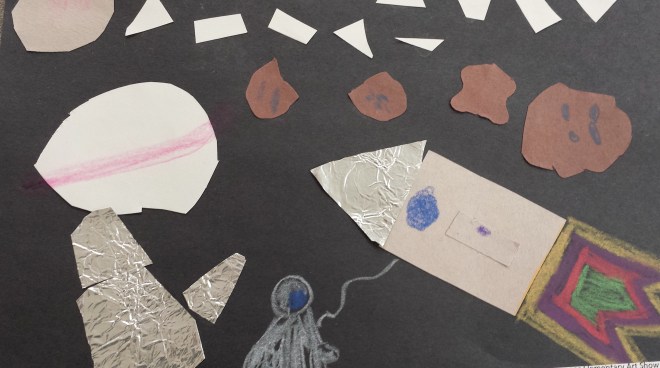
2nd grade Space Collages

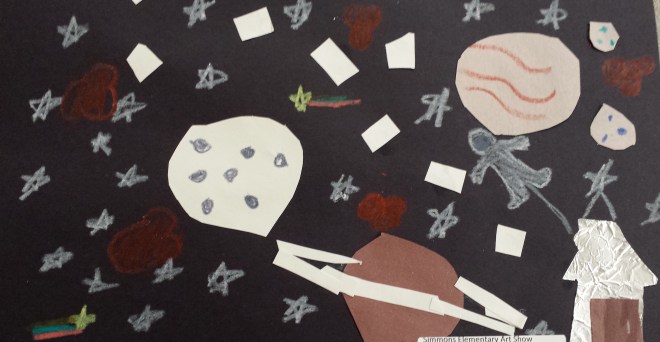
The 2nd grade is learning about the neutral colors: brown, gray, white, black.  We learned that Russian artist, Natalia Goncharova, painted what she thought space looked like.

Your turn…Steps:

  1. Compare Goncharova’s paintings to the images from space. What are the differences? Similarities?
  2. Brainstorm what is in outer space, like asteroids, planets- so much more!
  3. Students have a large black paper for their background.
  4. Students need three, small pieces of neutral paper: gray, white, brown.
  5. Draw your outer space objects on the small papers. Cut them out and glue them down.
  6. Add details to your planets, such as craters.
  7.  Use shiny foil to add stars, spaceships, and astronauts to your artwork. Be careful, foil is tricky to cut!

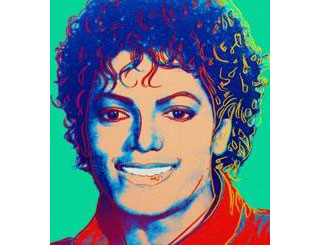
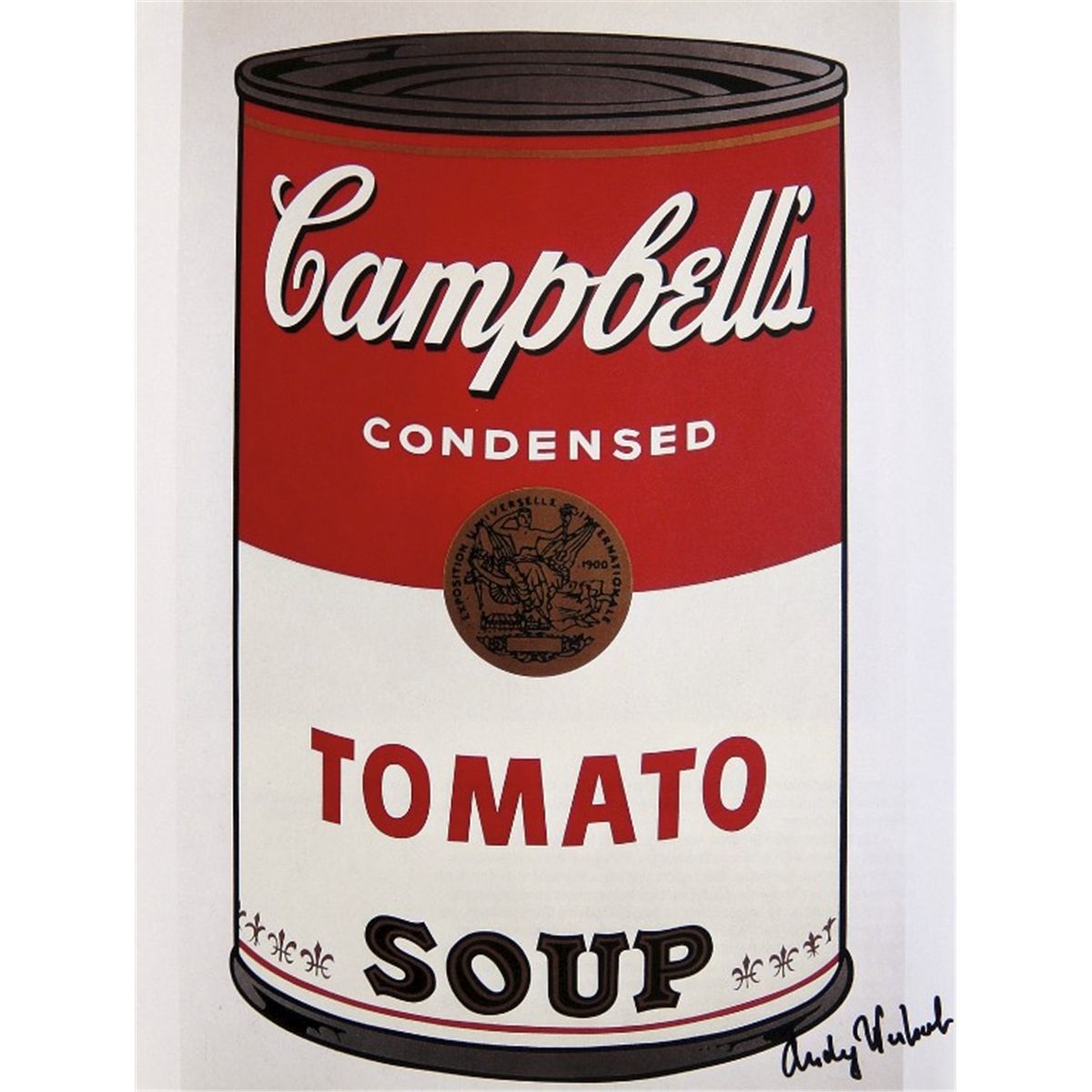
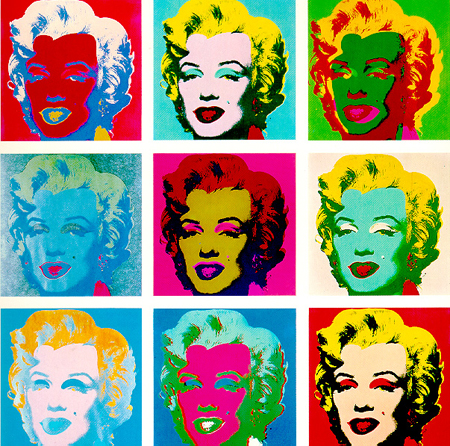
4th grade Andy Warhol Pop Art Prints

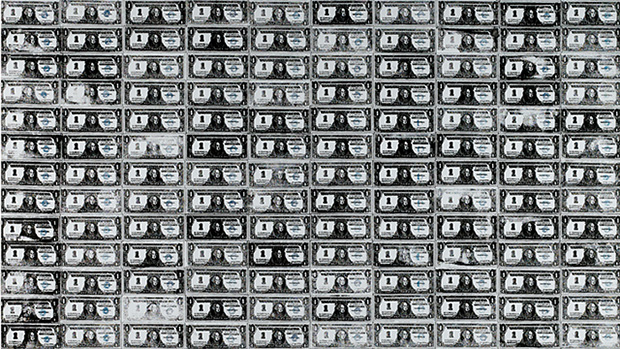
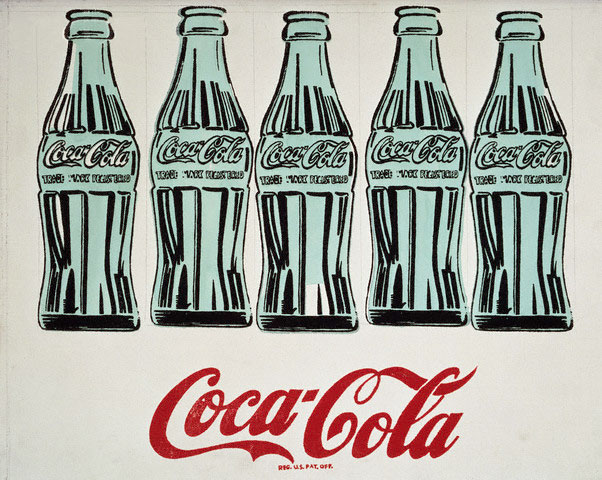
The 4th grade is learning about Andy Warhol and starting an adventure into Pop Art. Click on the screenshot to go to Tate Kids’ page on Warhol.

warholtate

Here are some of Warhol’s artworks, do you recognize the celebrities in the portraits? Repetition and color are important in Andy’s artworks, why do you think he choses to repeat images and use non-realistic colors? (Studio Habit of Mind- Stretch and Explore, Express, Develop Craft)

5th grade Self-Portraits: Colonial American Art

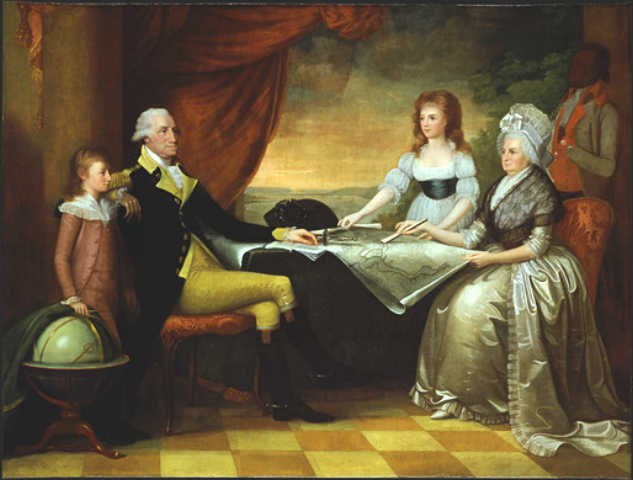
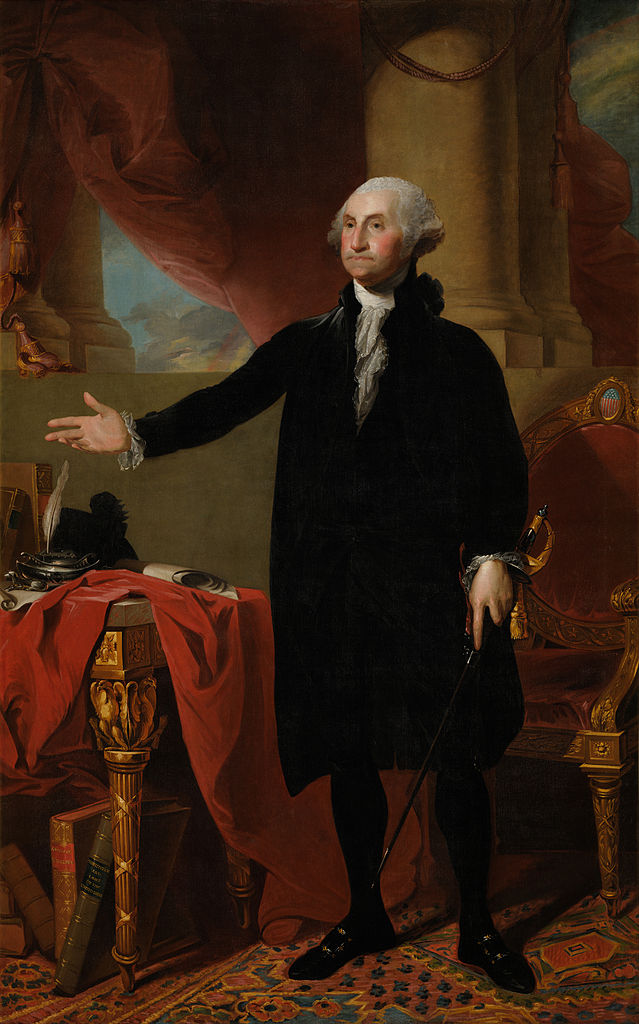
The 5th grade will study Colonial American portraits and creating their own self-portrait drawings. Why do people take modern self-portraits (and selfies)? Are the reasons similar to why people had Colonial portraits painted?

Here’s our PowerPoint for this lesson: Colonial portraits

More information on portraits:

Screen Shot 2015-10-01 at 11.12.11 PM

This project’s rubric:

Screen Shot 2015-10-01 at 11.06.39 PM

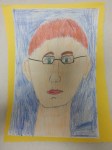
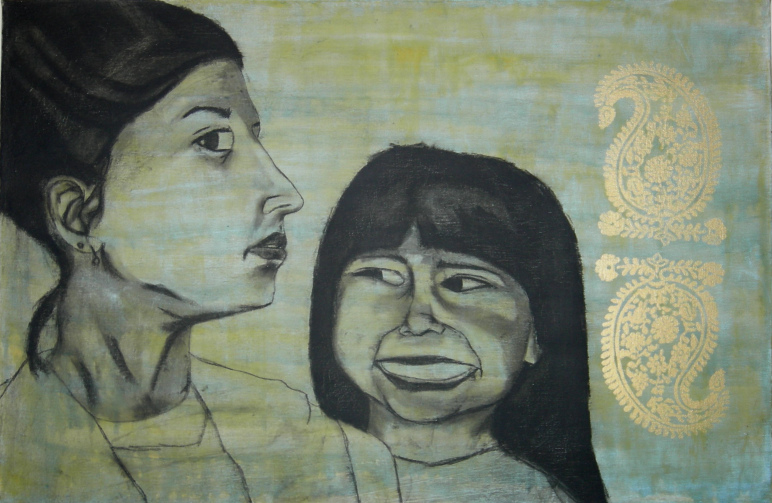
Examples of artists’ self portraits: you might recognize a few!

And lastly, here’s one of Ms. Baird’s self-portraits:

dscn0465

1st grade- Kandinsky Color Circles

The 1st grade has been learning about Wassily Kandinsky (pronounced Vas-silly Can-din-ski).  We learned that he loved art AND music.  He thought that colors could express feelings, just like music.  He even said that seeing colors helped him hear musical sounds!  We found patterns in his paintings and guessed what kind of music he was listening to when he used certain colors.

Squares with Concentric Circles, 1913

This video talks about how colors and feelings go together.

For our project, we are listening to music and painting with colors that reflect the mood of the music.  For example, if we hear calm, quiet music, we might use blue paint.  What colors do you think match the moods in these musical performances?  You might recognize the music!

Day 1: Draw fold your paper into 8 boxes. Trace over your folded lines. Write your name and class on the back. Neatly draw 4 concentric circles in each box. Concentric circles look like a target. Use different colors for each circle.

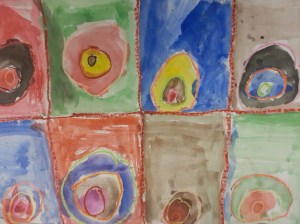
Day 2 & Day 3: Paint your circles to match the mood of the music you’re listening to in class. Paint each circle a different color and switch colors when the music changes.


1st grade- Matisse Organic Shape Ocean Collage

Last project, 1st graders learned that geometric shapes had straight sides and names (except for ovals and circles!).  We learned that abstract artwork doesn’t show objects realistically, like Henri Matisse’s The Snail.

We learned that Henri Matisse started to lose his eyesight and as a result, he started to make collages instead of paintings.  We looked at Matisse’s Betes de la Mer (Beast of the Sea) and learned that he used organic shapes, which have curvy sides and no names.  Students compared the organic shapes in Betes to the geometric shapes we saw in The Snail.


4th grade- Landscape Paintings

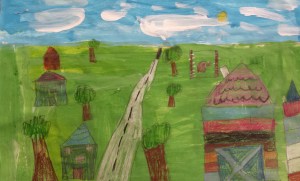
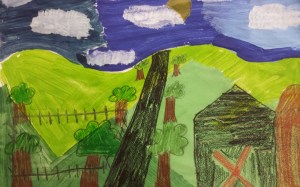
The 4th grade is studying Grant Wood and his landscape paintings. A landscape is an artwork that shows mostly land. It has four parts. Objects, like a far away tree, can be on the horizon line and in the background. What happens to objects as they appear farther away?

websites.pdesas.org
websites.pdesas.org

Now, onto our artist, Grant Wood:

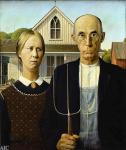
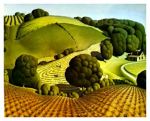
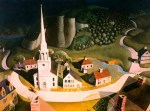
  •  What do you notice about Grant Wood’s painting style?
  • Do his landscapes look just like a photograph, or different? How?
  • Can you find the foreground, middleground, background, and horizon line in his landscapes below?

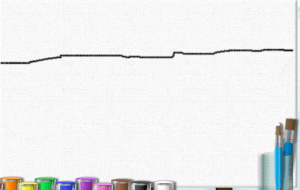
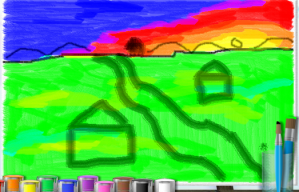
Let’s create some landscapes.  You can add people and animals, too.

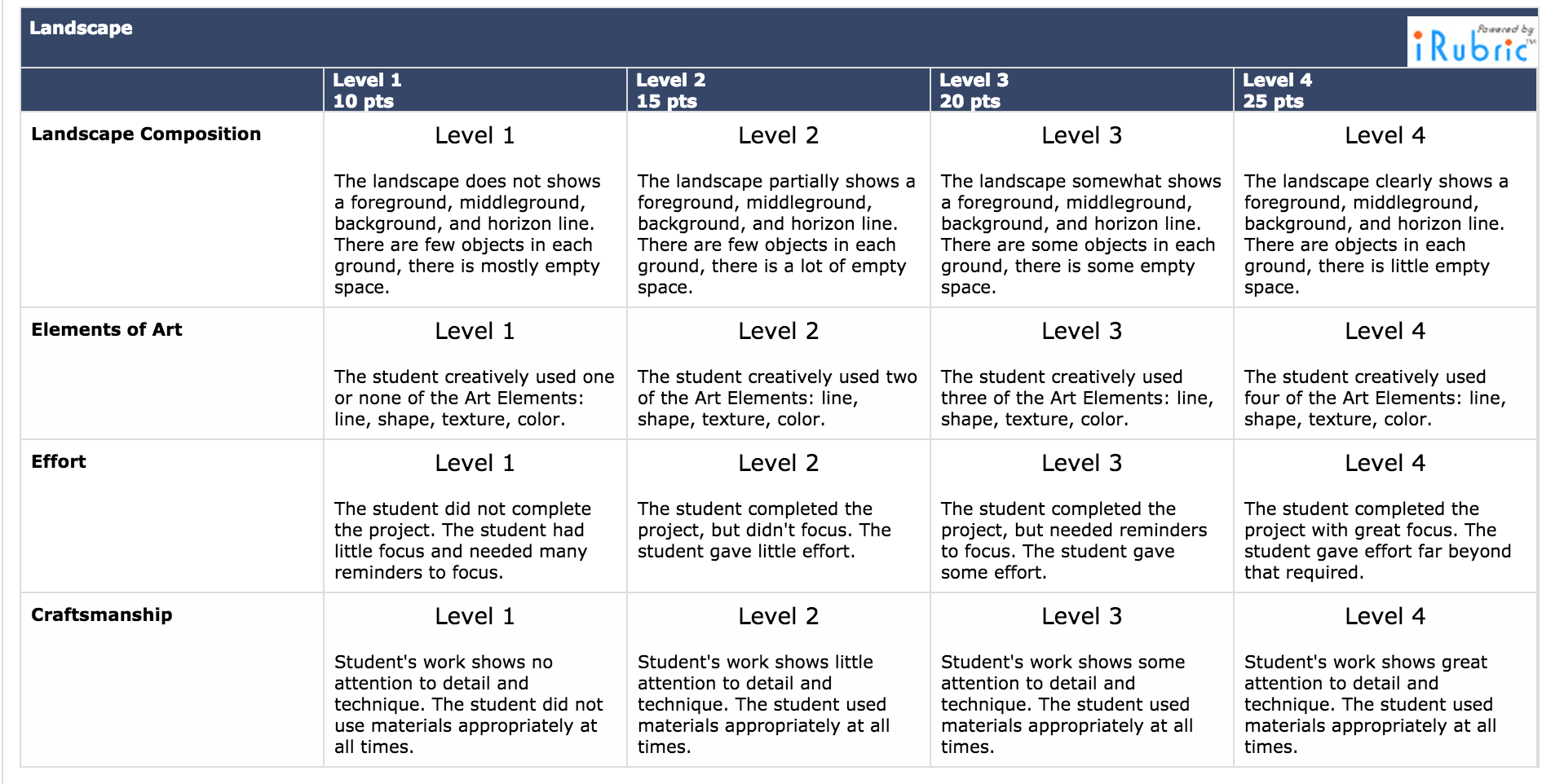
Here’s the rubric, look at the level 4 goals:

Screen Shot 2015-09-17 at 7.57.43 PM  Steps: (Of course, your art will be on paper!)

1st grade- Henri Matisse

The first grade is learning about the artist, Henri Matisse.

This is Matisse’s collage, The Snail.  To create this artwork, Matisse painted papers, then cut and glued them onto a paper. He had to think very carefully about where he put his shapes. Where you put shapes in your artwork is called compositionHow does Matisse’s composition give us clues that this is a snail?

Matisse,Henri.snail1953[1]

We will use geometric shapes to create a composition showing an animal. We will paint our animals with bright colors, like Matisse.