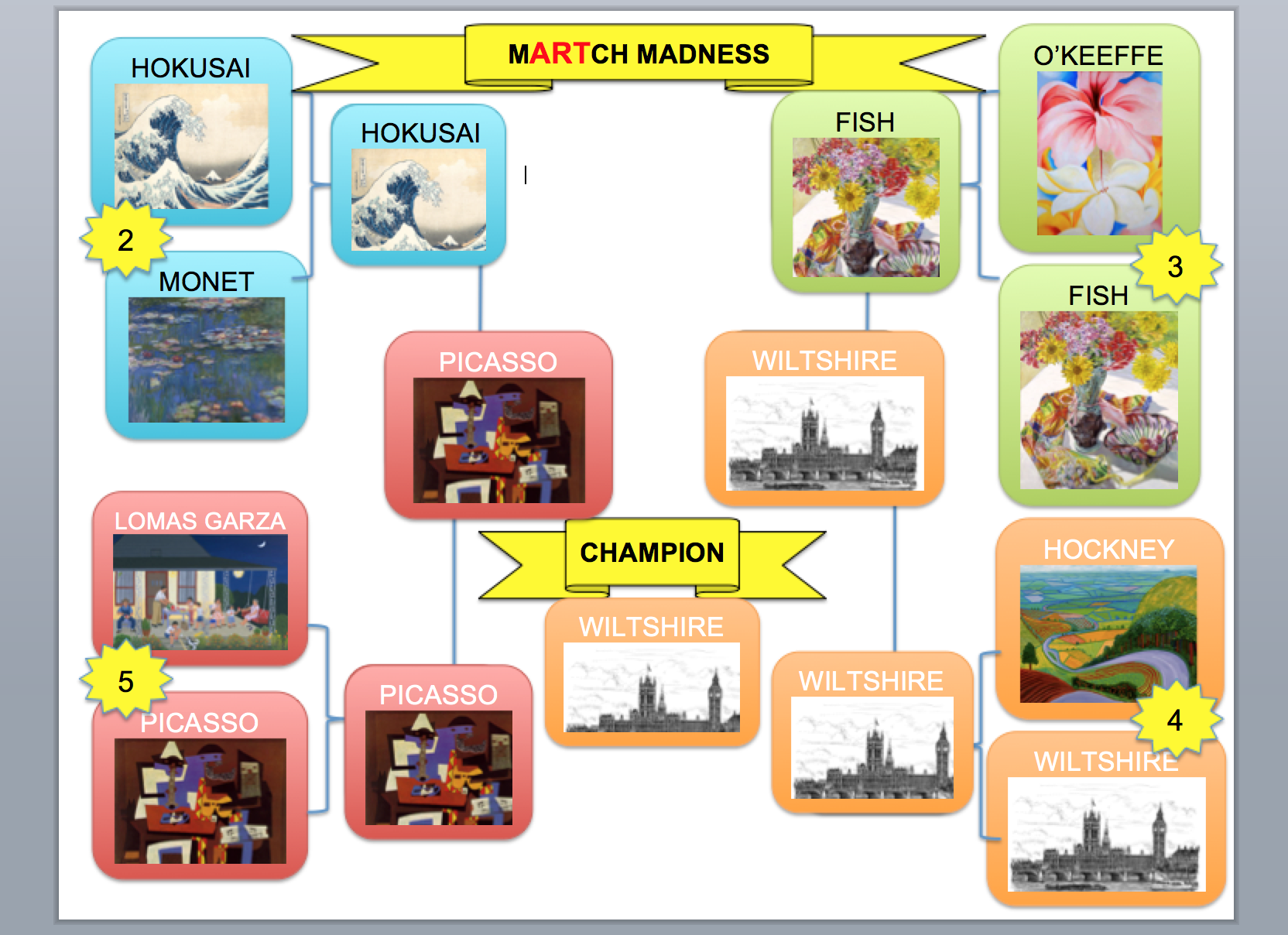
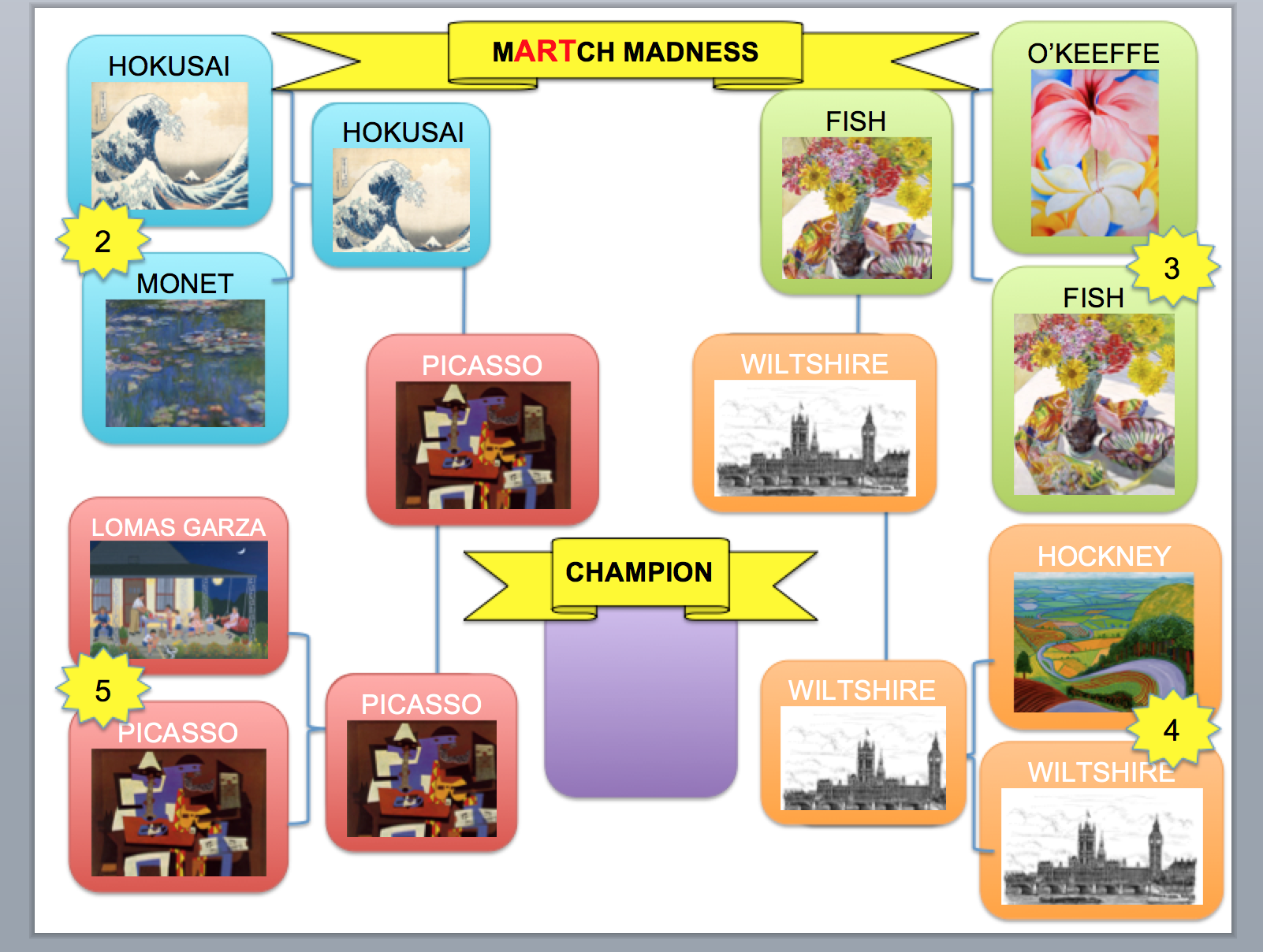
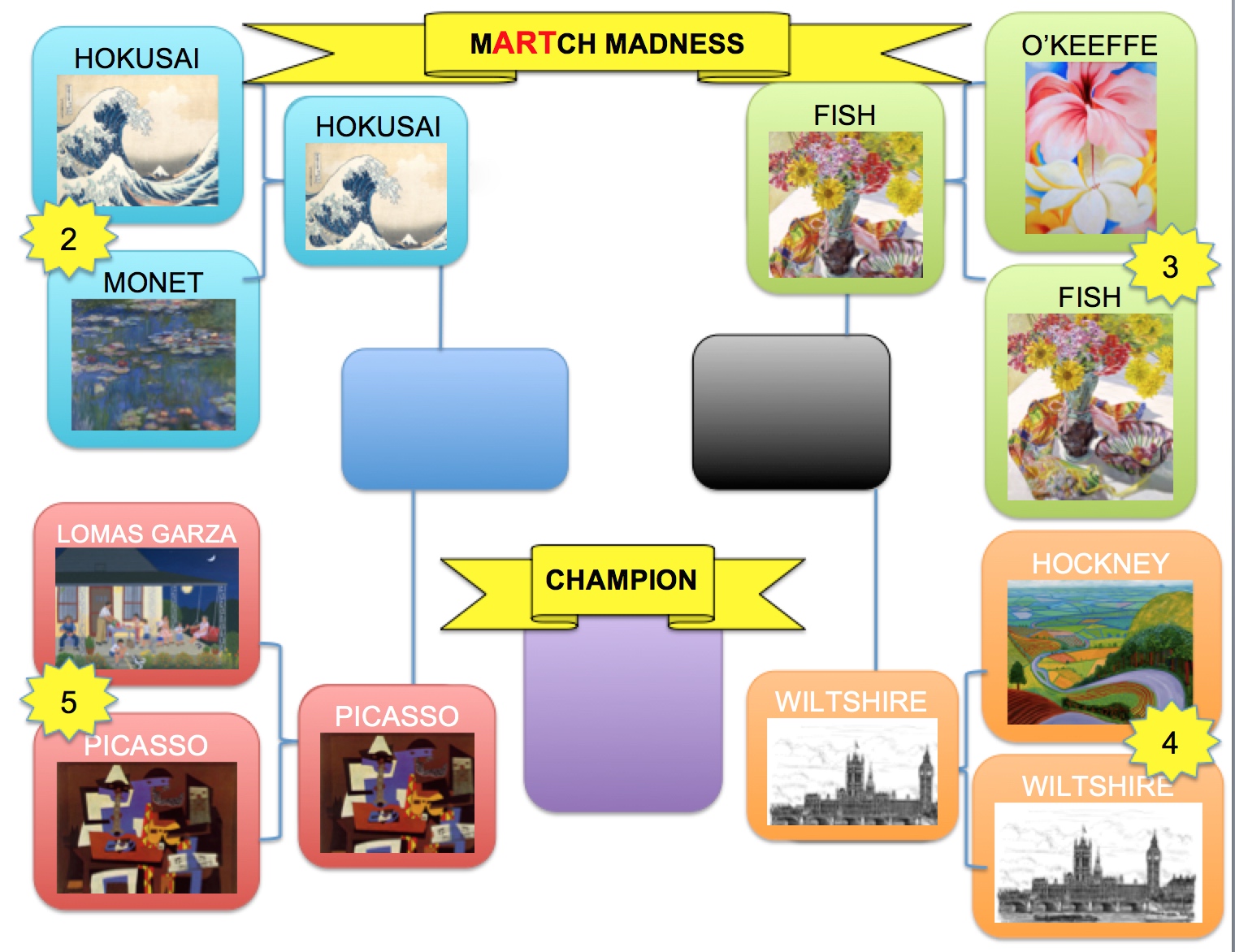
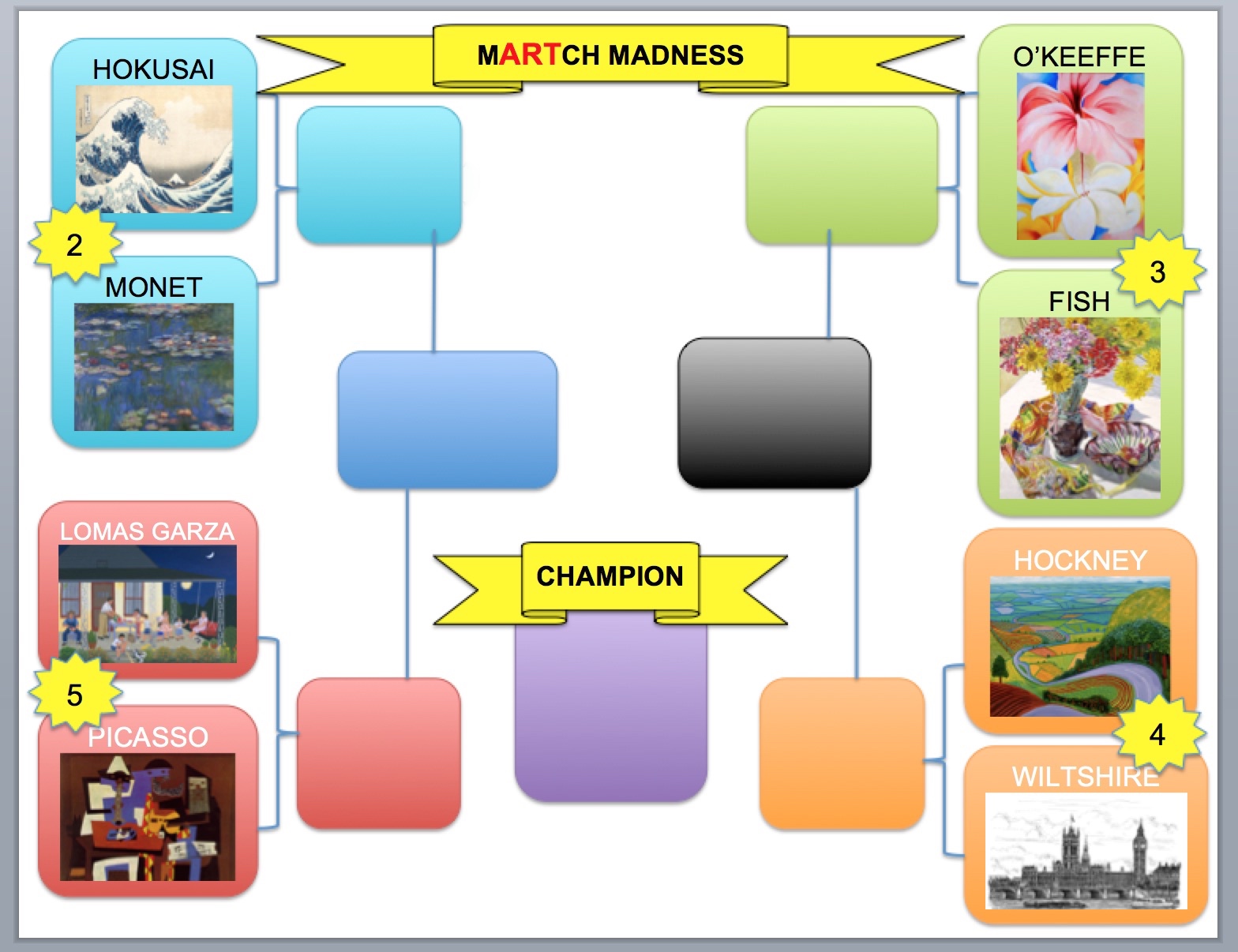
We have a CHAMPION! Congratulations to the 4th grade! They have won the mARTch Madness bracket! Their artist, Stephen Wiltshire, has earned more votes than any other artist we studied.
As an award they will get to paint Thunder white. Why white? To prepare him for the annual Spirit Week KPREP kickoff! (Of course, this is not Thunder!)
This March, the art room is celebrating a different kind of March Madness. Second through fifth grade classes participated in mARTch Madness during art classes. It’s down to 5th grade’s Picasso and 4th grade’s Wiltshire! WHO WILL BE OUR CHAMPION?
The 4th and 5th grade classes will learn a little about each artist and artwork and then…vote! Who will be voted off the bracket next? To learn more about the artists, check out this post.
First grade will learn that weaving is used to create functional art. Weaving can be used to make many things, like rugs, clothing, and baskets. Students will cut their looms and learn to weave on it. We will use an over-under pattern to weave. We will turn our weavings into a paper basket.
Here is how baskets are traditionally made:
What materials do these artists use to make their weavings?
What functional art do they make from their weavings?
What makes basket-weaving challenging?
Steps:
1) Write your name and class on the top. Fold your construction paper in half, like a hamburger.
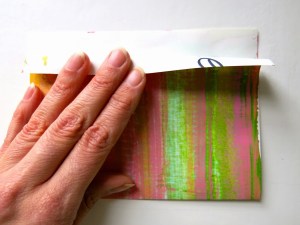
2) Fold a little tab at the top of your paper.
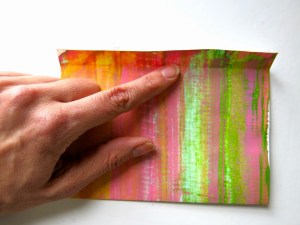
3) Fold both sides.
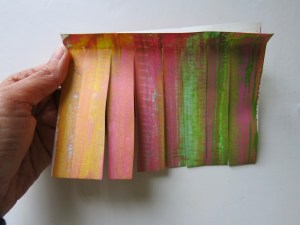
4) Cut a line going up to the folded tab- don’t cut over this fold!
5) Cut more lines going up to the fold. Don’t make them too skinny.
6) Gently unfold your paper.
7) Weave strips of paper in an AB pattern. Glue ends.
8) Fold your paper in half, make sure you can see your name. Glue the sides, so the top is still open. Glue a handle on top.
This March, the art room is celebrating a different kind of March Madness. Second through fifth grade classes will participate in mARTch Madness during art classes. Who did your grade vote to represent you in the Final Four?
In class, you’ll learn a little about each artist and artwork and then…vote! Who will be voted off the bracket next? To learn more about the artists, check out this post.
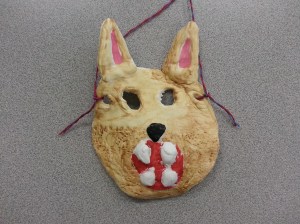
Kindergarten will learn that cultures all over the world wear masks for celebrations. Masks made for celebrations are a type of ceremonial art. Students will choose their favorite animals and create animal masks.
Monkey Mask- Japan
Tiger Mask- Mexico
Buffalo Mask- Burkina Faso
Raven Mask- Pacific Northwest
Which animal would you like to be? Why?
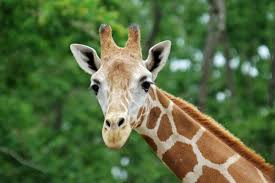
Giraffe
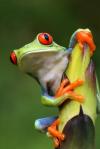
Tree Frog
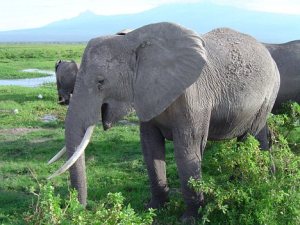
Elephant
Leopard
Parrot
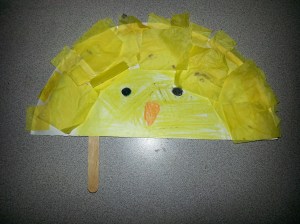
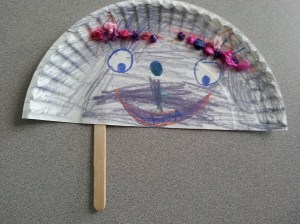
Here are some students’ examples:
Bird
Cat
Bear
Write your name and class on the food side of your plate.
Put two dots of glue on the top of your popsicle stick. Press and hold your stick onto your plate. Count to 20 in your head while you hold your stick so it can start to dry.
Using crayons, draw your favorite animal’s face on your plate. Carefully, color it in.
Using tissue paper, gently add texture to your mask. For example: if you created a bird, add feathers around the edge. If you created a dog, scrunch up some tissue paper and add 3-D eyes.
The fourth grade will be learning about the history of mask-making around the world. We will learn that, historically, masks were made for ceremonial purposes.
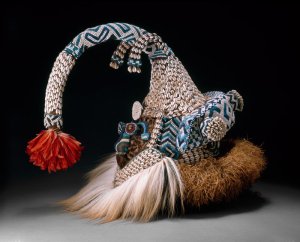
We will learn that the Mukenga Mask, from the Kuba people, is used in funeral ceremonies. This mask combines different animals to represent qualities that a person would want during life. Would you like to fly, run quickly, or be strong? Which animals have qualities that you would like to possess?
Mukenga Mask
Parrot
Elephant
Leopard
Tree Frog
Giraffe
This link is from the Art Institute of Chicago. Click the image to learn about the Mukenga mask and create your own multi-animal mask.
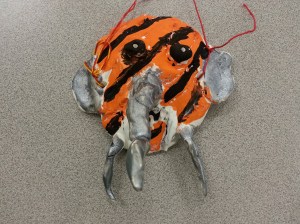
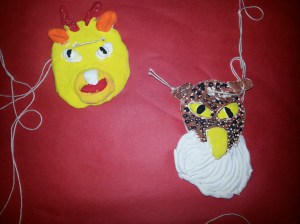
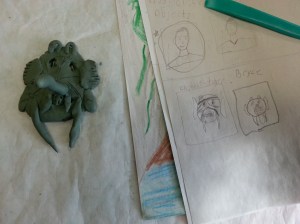
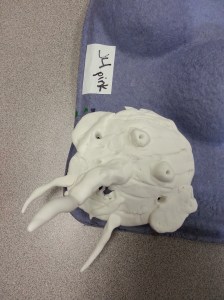
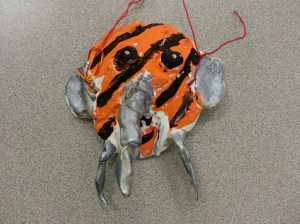
We will design and create 3-D clay masks that represents animal qualities we’d like to possess. Here are student examples:
ART in ACTION: The Dogon tribe (Mali, Africa) is dancing a in funeral ceremony. The ceremony is meant to connect the Dogon people with the afterlife and honors people who’ve died. Music, art, and dance are all visible in this ceremony. What animals do their masks represent?
Steps (more info below photo steps):
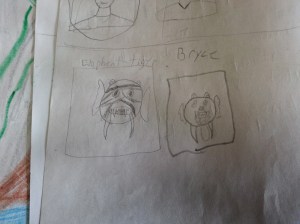
1) Sketch 2 mask designs combining 2 animals with qualities you’d want. Place sketches in folder.
2) Use your best sketch to help create a PRACTICE 3-D mask with modeling clay. Put away clay at the end of class- these are practice.
3) Use 1 packet of white clay to create your FINAL mask. DON’T FORGET TO ADD HOLES FOR STRING & WRITE NAME/CLASS on the back.
4) Paint your mask. While it’s drying, move onto step 5.
5) Write your reflection. Fill out your rubric. Hole punch & attach to string. Tie onto mask.
Step 1: Choose one or two animals with qualities you would want. Ms. Baird would like to be taller and wise, so a giraffe-turtle combination would be great.
Step 2: The modeling clay masks are practice. You need to roll your clay up and put it away at the end of class.
Step 3: WRITE your name/class on the back of your mask with a Sharpie. Listen for directions on how to gently place your mask up to dry.
Step 4: Paint your mask. Don’t forget to give clues about your animals.
Step 5: Write your reflection and fill out your rubric. Hole punch the corner of each. Attach your reflection & rubric to your string. You only need 1 piece of string for your mask. Pull each end through the hole and tie a knot like you’re tying your shoe. Look at the example.
This March, the art room is celebrating a different kind of March Madness. Second through fifth grade classes will participate in mARTch Madness during art classes. Check out which two artists your grade will vote on. In class, you’ll learn a little about each artist and artwork and then…vote!
Do you recognize these artists or artworks?
Will your favorite artist conquer all the others?
We love Monet, but will Picasso win it all? Does Wiltshire stand a chance?
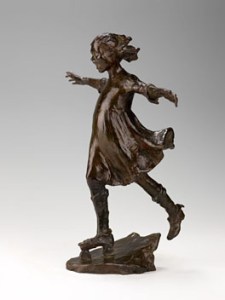
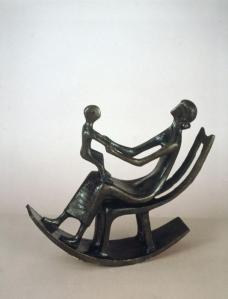
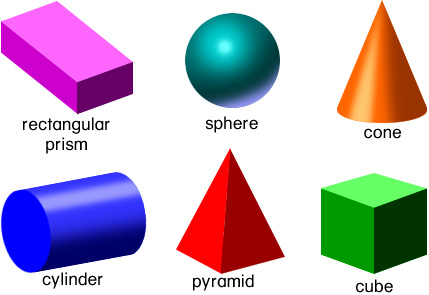
The first grade is learning that 3-D shapes are not flat. They take up space and create form. We will look at these two sculptures which show movement. Do these sculptures look like they’re moving slowly or quickly? Why?
Abastenia St. Leger Eberle- Roller Skating
Henry Moore- Rocking Chair No. 2
We will then experiment with making 3-D shapes and use those forms to create sculptures of ourselves. Which 3-D shapes would you use to create yourself?
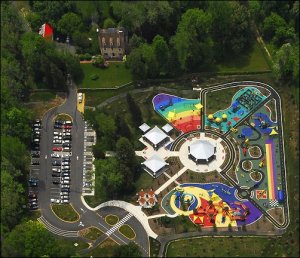
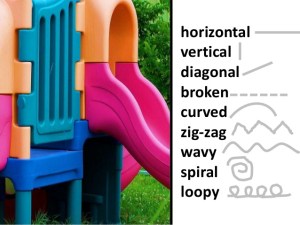
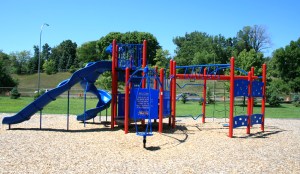
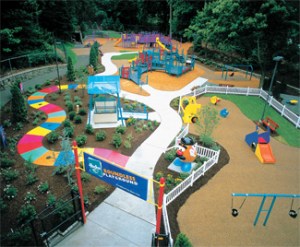
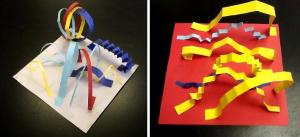
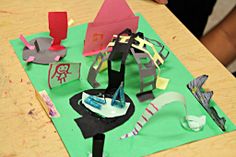
The second grade will be learning the differences between 2-D and 3-D. 2-D (2 dimensional) is flat and can only be measured two ways (height, width). 3-D (3 dimensional) is not flat and can be measure three ways (height, width, depth). Students will use 2-D papers to create a 3-D sculpture of a play park. We’ll use many types of lines to create different types of playground equipment. There’s a lot of exploration and experimentation in this project! What would people would want to have in a fun and safe play park?
Career week is coming up and the art room is getting ready for our next project, which combines art, career studies, and the International Book Project!
All K-5 students will create one career/college-themed bookmark to keep and another to donate to the International Book Project. All year, Simmons has been collecting books for the IBP and we’re going to donate bookmarks to go along with our book donations.
Check out what the International Book Project does! We’re going to each donate one bookmark to IBP. Think about what design you’d like to make on your donation bookmark.
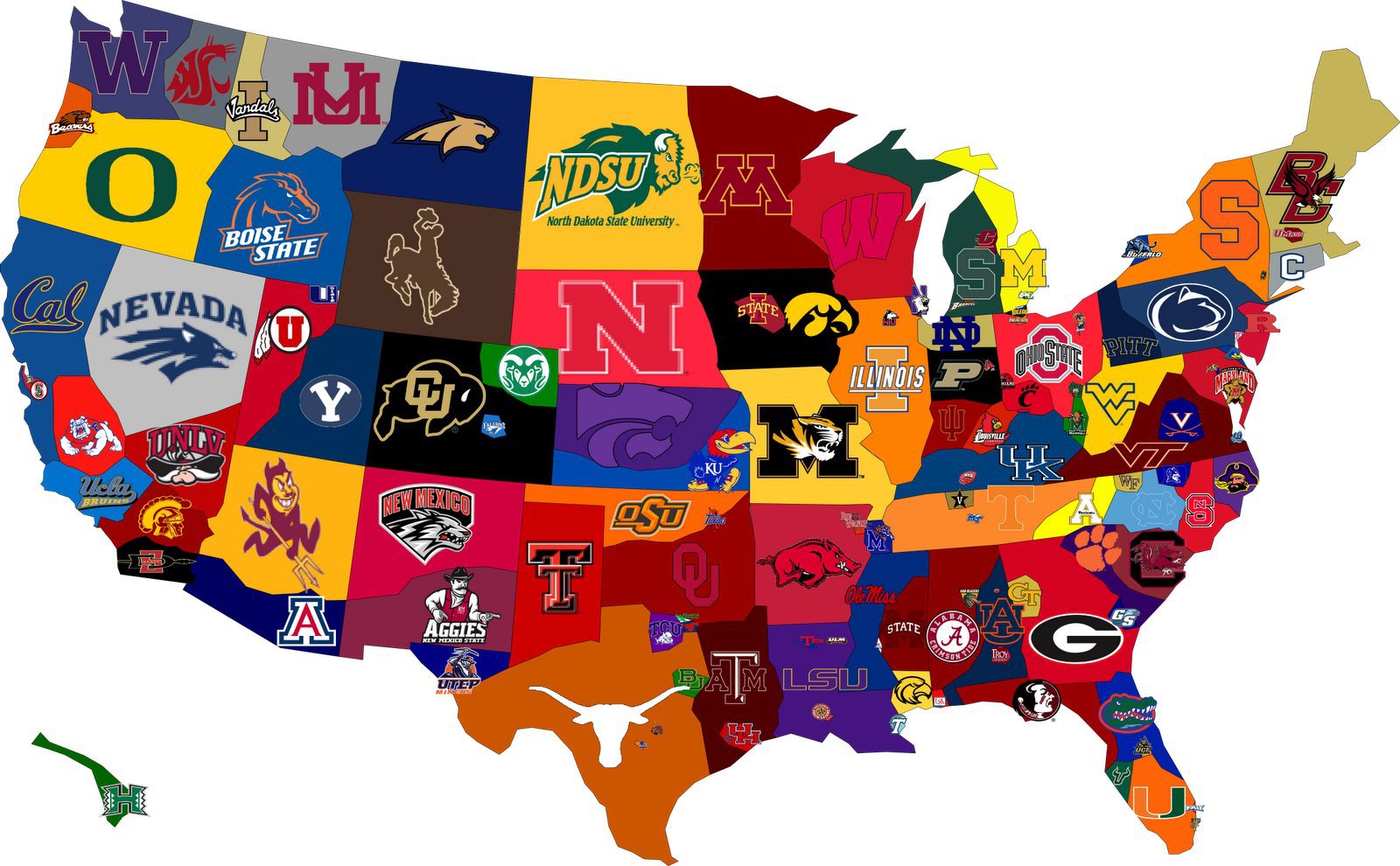
For your second bookmark, you’ll create a bookmark to keep and take home. This bookmark will have a college/career theme. Which careers are you interested in? Which colleges would you like to attend? Why?
Of course, you could always check out the colleges that are near and dear to my heart!
One of my favorite things about Wooster is the bagpipers, always the bagpipers.
Wait, why does my college have bagpipers? Why do they wear kilts? What’s up with all the plaid? Why did I go to school in a place called Wooster (pronounced Wuster, not Wooooooster)? You can ask me or check out www.wooster.edu to find out more!
While we’re on the topic of music…my other alma mater has a band, too.
OSU is a great university with excellent academic opportunities and fun traditions, like this. I loved my time there. What’s a buckeye? Why is “dotting the i” such a big deal? Who is John Glenn? You can ask me or check out www.osu.edu to find out more!
























 Ms. Baird's Art Class