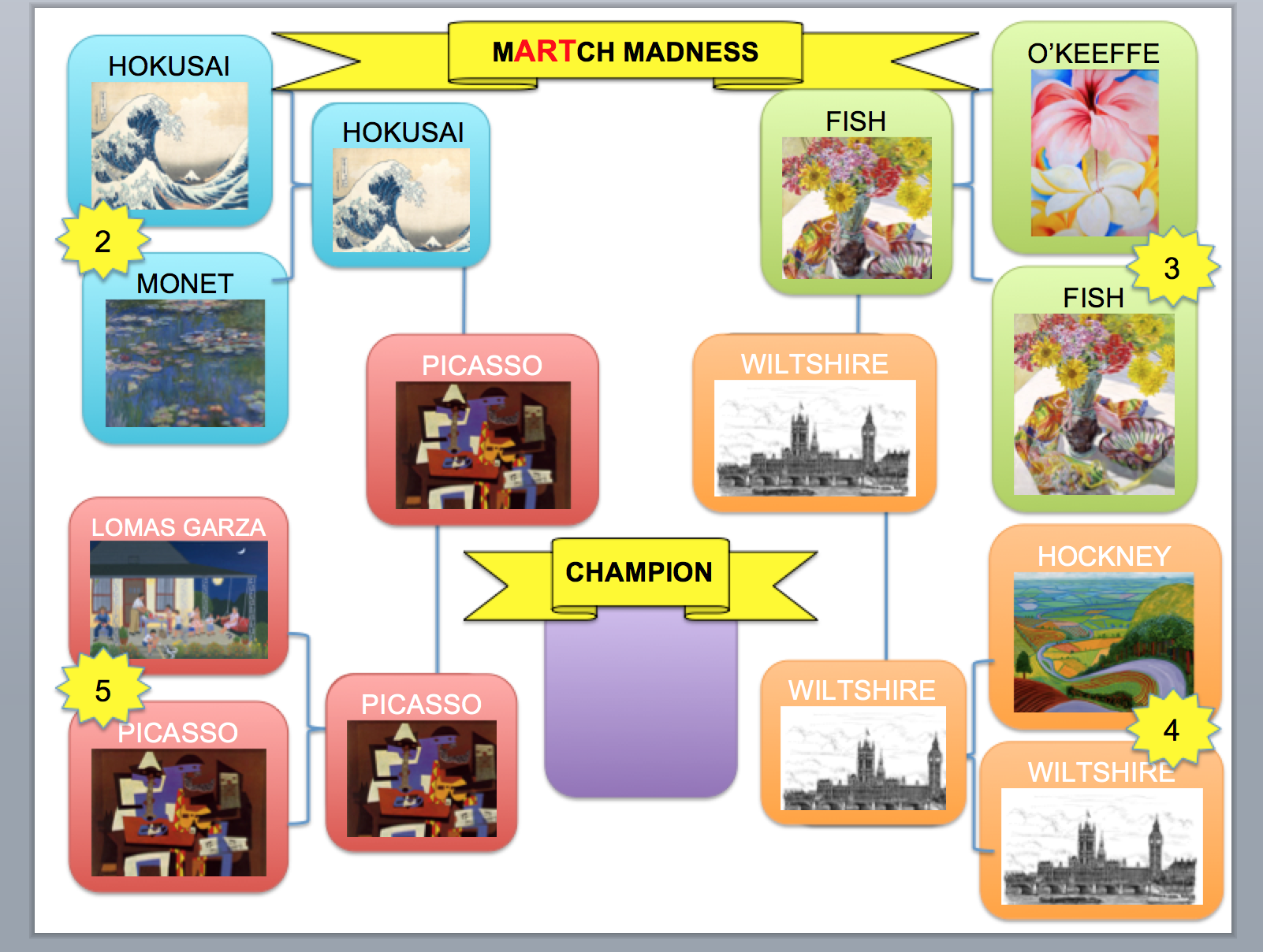
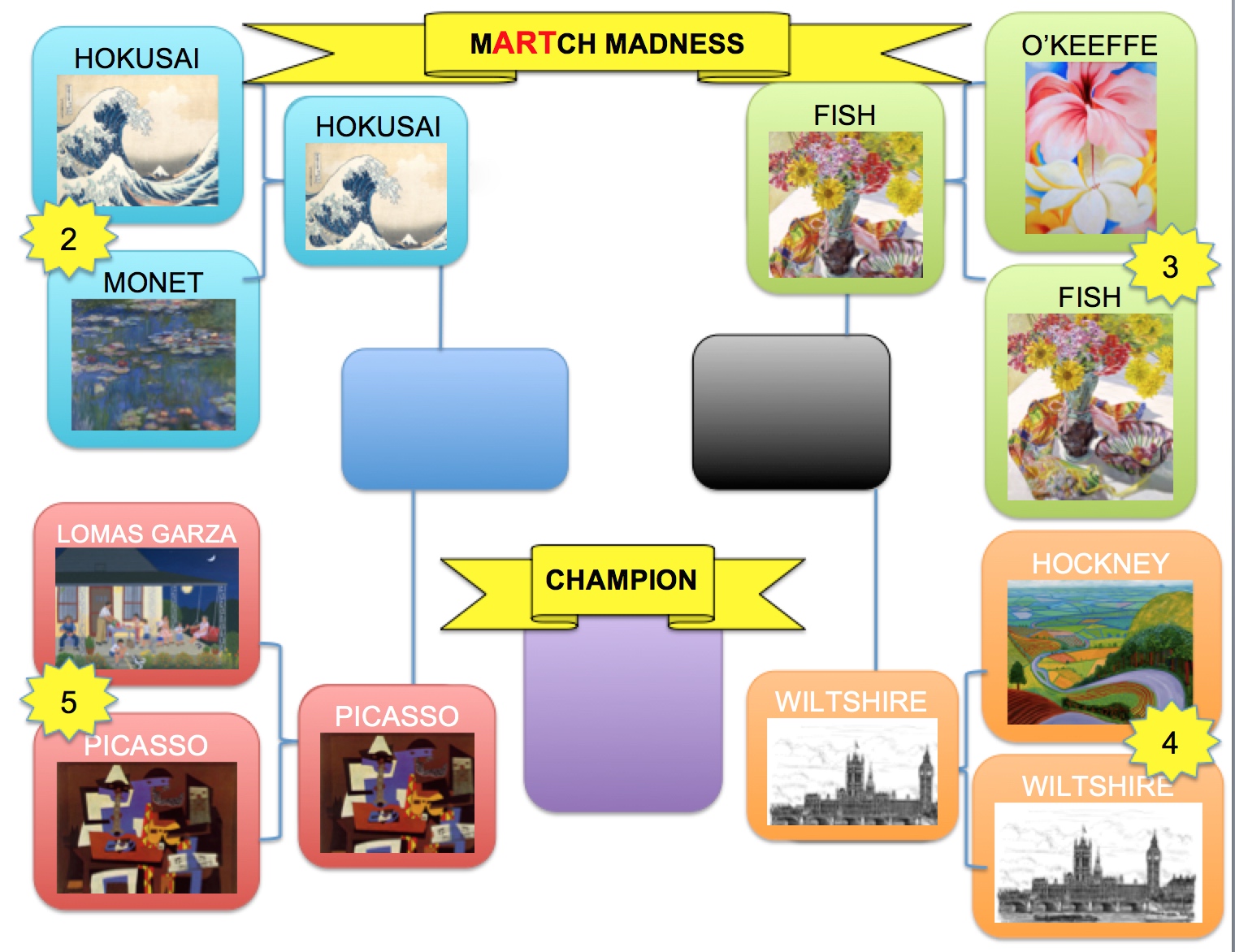
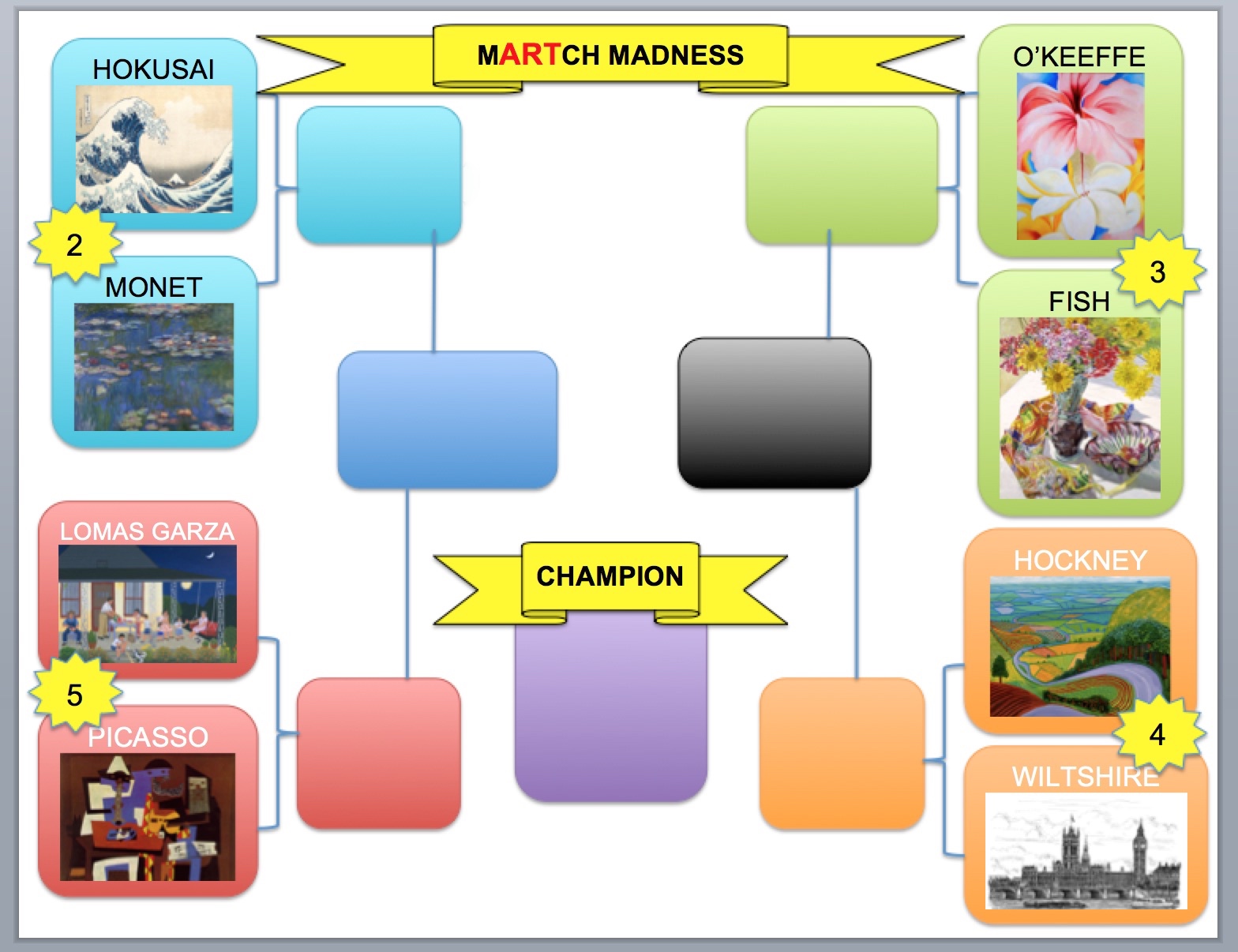
This March, the art room is celebrating a different kind of March Madness. Second through fifth grade classes participated in mARTch Madness during art classes. It’s down to 5th grade’s Picasso and 4th grade’s Wiltshire! WHO WILL BE OUR CHAMPION?
The 4th and 5th grade classes will learn a little about each artist and artwork and then…vote! Who will be voted off the bracket next? To learn more about the artists, check out this post.
This March, the art room is celebrating a different kind of March Madness. Second through fifth grade classes will participate in mARTch Madness during art classes. Who did your grade vote to represent you in the Final Four?
In class, you’ll learn a little about each artist and artwork and then…vote! Who will be voted off the bracket next? To learn more about the artists, check out this post.
The fourth grade will be learning about the history of mask-making around the world. We will learn that, historically, masks were made for ceremonial purposes.
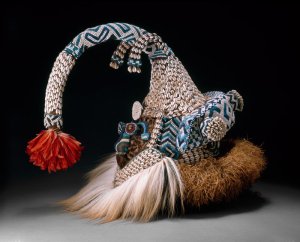
We will learn that the Mukenga Mask, from the Kuba people, is used in funeral ceremonies. This mask combines different animals to represent qualities that a person would want during life. Would you like to fly, run quickly, or be strong? Which animals have qualities that you would like to possess?
Mukenga Mask
Parrot
Elephant
Leopard
Tree Frog
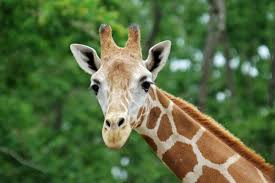
Giraffe
This link is from the Art Institute of Chicago. Click the image to learn about the Mukenga mask and create your own multi-animal mask.
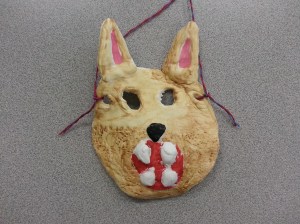
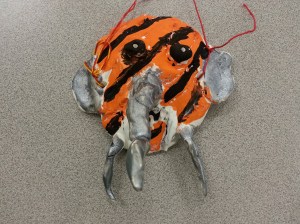
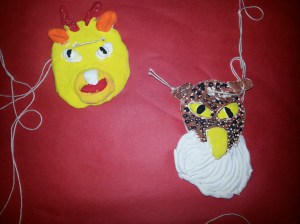
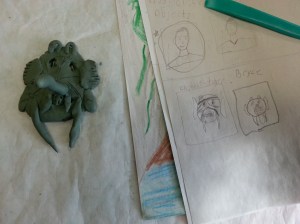
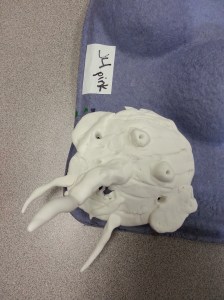
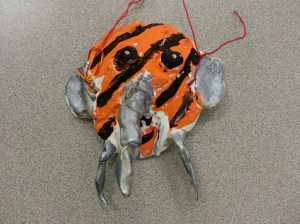
We will design and create 3-D clay masks that represents animal qualities we’d like to possess. Here are student examples:
ART in ACTION: The Dogon tribe (Mali, Africa) is dancing a in funeral ceremony. The ceremony is meant to connect the Dogon people with the afterlife and honors people who’ve died. Music, art, and dance are all visible in this ceremony. What animals do their masks represent?
Steps (more info below photo steps):
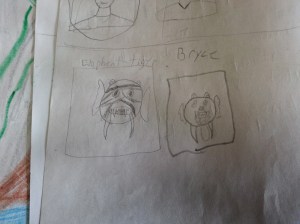
1) Sketch 2 mask designs combining 2 animals with qualities you’d want. Place sketches in folder.
2) Use your best sketch to help create a PRACTICE 3-D mask with modeling clay. Put away clay at the end of class- these are practice.
3) Use 1 packet of white clay to create your FINAL mask. DON’T FORGET TO ADD HOLES FOR STRING & WRITE NAME/CLASS on the back.
4) Paint your mask. While it’s drying, move onto step 5.
5) Write your reflection. Fill out your rubric. Hole punch & attach to string. Tie onto mask.
Step 1: Choose one or two animals with qualities you would want. Ms. Baird would like to be taller and wise, so a giraffe-turtle combination would be great.
Step 2: The modeling clay masks are practice. You need to roll your clay up and put it away at the end of class.
Step 3: WRITE your name/class on the back of your mask with a Sharpie. Listen for directions on how to gently place your mask up to dry.
Step 4: Paint your mask. Don’t forget to give clues about your animals.
Step 5: Write your reflection and fill out your rubric. Hole punch the corner of each. Attach your reflection & rubric to your string. You only need 1 piece of string for your mask. Pull each end through the hole and tie a knot like you’re tying your shoe. Look at the example.
This March, the art room is celebrating a different kind of March Madness. Second through fifth grade classes will participate in mARTch Madness during art classes. Check out which two artists your grade will vote on. In class, you’ll learn a little about each artist and artwork and then…vote!
Do you recognize these artists or artworks?
Will your favorite artist conquer all the others?
We love Monet, but will Picasso win it all? Does Wiltshire stand a chance?
Career week is coming up and the art room is getting ready for our next project, which combines art, career studies, and the International Book Project!
All K-5 students will create one career/college-themed bookmark to keep and another to donate to the International Book Project. All year, Simmons has been collecting books for the IBP and we’re going to donate bookmarks to go along with our book donations.
Check out what the International Book Project does! We’re going to each donate one bookmark to IBP. Think about what design you’d like to make on your donation bookmark.
For your second bookmark, you’ll create a bookmark to keep and take home. This bookmark will have a college/career theme. Which careers are you interested in? Which colleges would you like to attend? Why?
Of course, you could always check out the colleges that are near and dear to my heart!
One of my favorite things about Wooster is the bagpipers, always the bagpipers.
Wait, why does my college have bagpipers? Why do they wear kilts? What’s up with all the plaid? Why did I go to school in a place called Wooster (pronounced Wuster, not Wooooooster)? You can ask me or check out www.wooster.edu to find out more!
While we’re on the topic of music…my other alma mater has a band, too.
OSU is a great university with excellent academic opportunities and fun traditions, like this. I loved my time there. What’s a buckeye? Why is “dotting the i” such a big deal? Who is John Glenn? You can ask me or check out www.osu.edu to find out more!
All grades (preK-5) will be creating artworks for the PTA’s Art to Remember fundraiser. Art to Remember provides families with an easy way to have their students’ artwork turned into some pretty cool items, such as iPhone covers. If you love your students’ artworks and want to take them with you everywhere, you are in luck, that is exactly what Art to Remember helps you do!
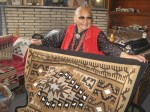
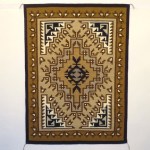
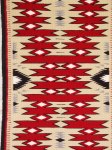
We will learn how to weave on a loom inspired by Navajo weaving. They will learn about Navajo traditions, how wool is used, and how the designs are created. Students will learn that weavings are a type of functional art. Functional art is art that can be used, like blanket or a rug.
Evelyn George & one of her Grey Hills rugs
Evelyn George, Grey Hills pattern
Storm Pattern Rug
The Toadlena Trading Post helps keep Navajo traditions alive. This video introduces us to Navajo Master Weaver, Evelyn George.
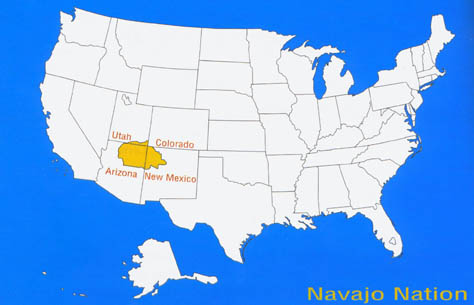
We will learn how the geographic location of the Navajo Nation helps the weavers create their artworks.
Map showing the Navajo Nation
Monument Valley, Navajo Nation
Did you ever wonder how sheep help make weaving?
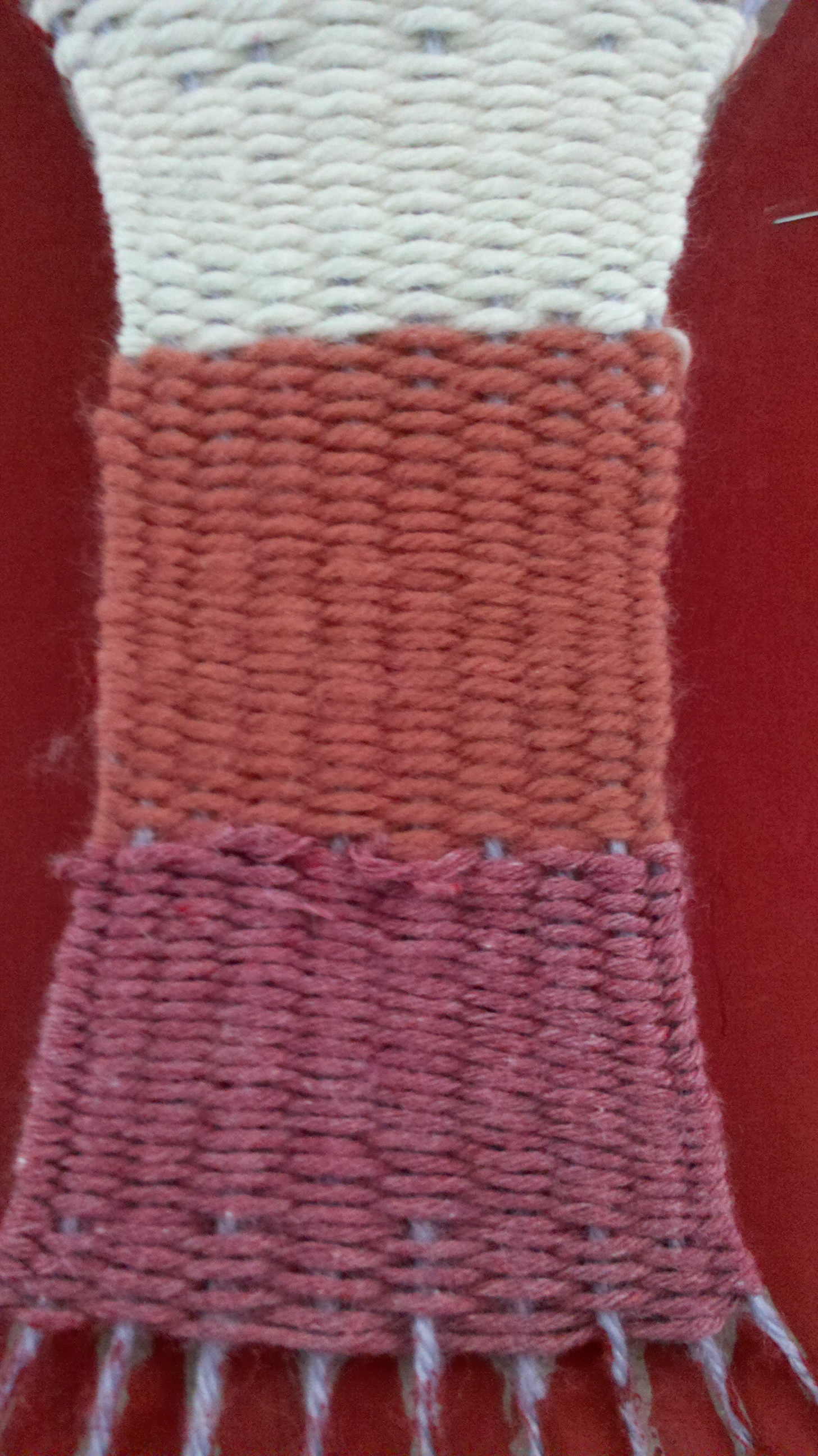
Here’s a student example, still on the loom.
Watch the video and follow these steps to create your weaving:
Day 1: Write your name on a piece of masking tape, put it on the back of your loom. Use two colors of string to create your warp lines. Tape your ends on the back of your loom. If there’s time, begin to weave! Over then under, keep repeating those steps. Do not flip over your loom, stay on ONE SIDE.
Day 2: Weave! Over then under, keep repeating those steps. Do not flip over your loom, stay on ONE SIDE. ***When you finish one color, tie your end to your next color yarn. This is different from the video.Keep weaving and fill your loom, don’t pull too tight. Keep pushing your weaving up to make more room.
Day 3: Keep weaving! Over then under, keep repeating those steps. Do not flip over your loom, stay on ONE SIDE. Keep weaving and fill your loom, don’t pull too tight. Keep pushing your weaving up to make more room.
Day 4: Follow these steps (like the video) to take your weaving off your loom:
Flip over your loom, so you see the diagonal lines.
Cut the diagonal lines.
Tie the first two ends together, make sure the knots are close to the weaving.
Go to the next two warp lines, tie them together. Keep going! You may have an uneven number of warp lines to tie, you might need to tie three of them together.
Do steps 3-4 to the bottom of your weaving. This makes sure none of your weaving falls apart.
Trim any loose ends. Be careful not to cut the knots you just made!
Write your names on masking tape and stick it to the back of your weaving. You don’t want to lose your beautiful artwork!
We did it! Gifted art students worked collaboratively to paint this banner. The banner will represent Woodford County at the 2015 KY School Boards Association Conference. Simmons was asked to do the honor this year, and we were very successful. Students chose to work on the banner, and most of them even used RECESS time to do it!Thank you to all the teachers who were flexible with their students so that we could have this wonderful opportunity.
The theme for this year’s conference is “The Courage to Lead,” so we did a “school” of fish with a colorful leader. Get it? School of fish? We thought it was clever!
On Tuesday, January 13th, Simmons held our Winter Fine Arts Night. We displayed over ONE HUNDRED artworks while Mrs. Bowmer’s Friday classes performed on their instruments. The artworks are currently on display, so please visit our 2015 Winter Art Exhibition.
The fourth grade classes will be looking at Notre Dame Cathedral in France. We will learn that rose windows are narrative (tell stories) and have radial balance (many lines of symmetry). Students will create their own “stained glass windows” using black paper and tissue paper. Ms. Baird will laminate the windows and put them against the windows in the foyer. The sun light makes them look like they are glowing!
A view from the top.
Rose Window at Notre Dame- this shows radial balance
Ms. Baird at Notre Dame Cathedral
How is stained glass made? Could you imagine doing this on a large window?

















 Ms. Baird's Art Class
