Regina’s Big Mistake: Jungle Drawings

Have you ever made a mistake on your artwork? What do you do? Do you stop working or keep going?

We will learn about Regina, who made a mistake on her artwork and wasn’t sure what to do. We’ll learn that ALL artists make mistakes, but artists don’t let those mistakes stop them from making art. Sometimes, mistakes lead to the best ideas!
goodreads.com
goodreads.com

We will create a drawing of a jungle or rainforest and will keep going even if we make mistakes.


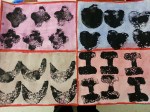
WC Community Dinner: K-5 Dinner Plates

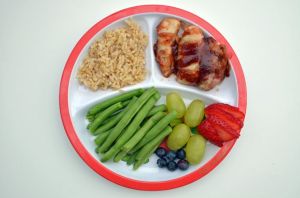
What is your favorite meal for dinner? Why? Artists have been painting their food since the very beginning of art. Why do you think artists are interested in making art showing food?

We will do the same thing, showing food in our artwork.  We will make place mats for a Woodford County Community Dinner. Our place mats will show our favorite dinners. Food art is always popular!

For more information on the Community Dinner, please contact Mrs. Bargo.

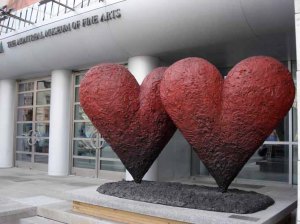
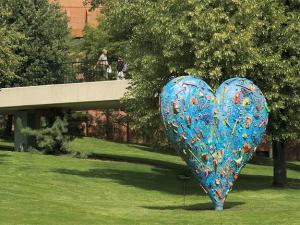
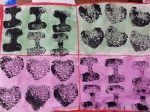
PreK- Heart Art

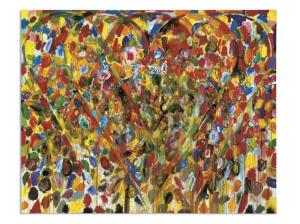
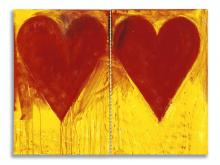
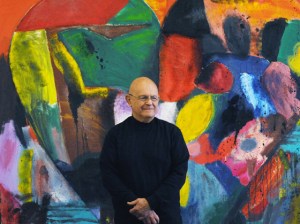
The PreK will learn about Jim Dine’s heart paintings. He loved painting hearts and painted them over and over again. Can you find hearts in these paintings? Which painting is your favorite?


3rd gr.- Adinkra Cloths from Ghana

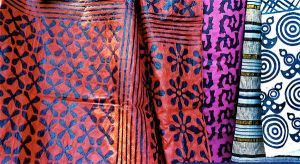
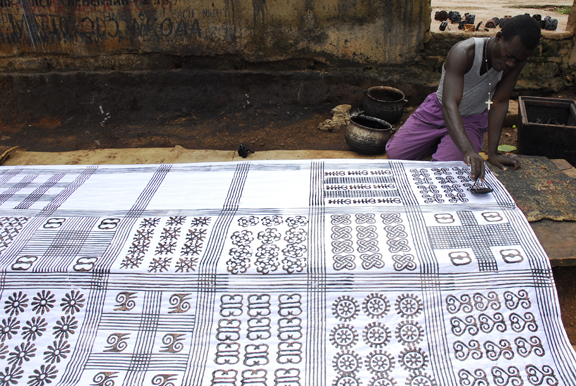
The third grade has been learning about art from other cultures.  We will learn about textile (cloth) art from Ghana, which is a country on the African continent.  Can you locate Ghana?

www.mapability.com
http://www.mapability.com

We will learn that adinkra cloth is a type of textile art that uses symbols.

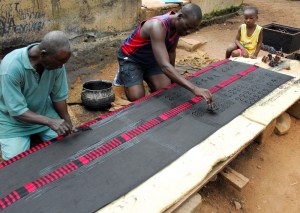
Here are Ghanaian artists showing us how to make adinkra cloths.  Follow the video link: Adinkra Symbols

adinkra_symbols_meanings
http://www.earthmetropolis.com

Student examples (yours will look different):

Day 1:

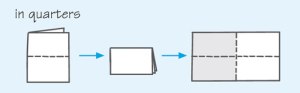
  1. Fold your paper in half, like a hamburger. Fold it in half again, like a hamburger. Open it up. Write your name on the back.
  2. Flip over your paper, trace over the boxes with oil pastel. With oil pastels, draw a different line or shape pattern in each box. Make the patterns colorful and interesting. Look below for some ideas. Paint your boxes.

Day 2:

  1. Start thinking about which symbols you will use for your “cloth.” Click the image to make a digital adinkra cloth. The symbols can be vertical, horizontal, or diagonal.Screen Shot 2015-10-01 at 10.38.07 PM2. Watch these students printing adinkra cloths. Click the image. Screen Shot 2015-09-17 at 10.06.53 PM3. At the purple table: Call up quiet students first. Choose 1 adinkra symbol. This will go in one set of your “twin boxes.” Your symbols should represent who you are or what is important to you. Print your symbols in neat lines with black paint. Be careful not to move the stamps while you print them, they’ll smudge.

4. When you’re done using 1 symbol, return it to the correct spot in the egg carton. Get another symbol and print your two remaining “twin boxes.” If you need a symbol that someone else is using, be patient for your turn.

en.wikipedia.org
en.wikipedia.org


1st gr.- Mondrian Collages

The first grade been learning about the primary colors.  What are they?

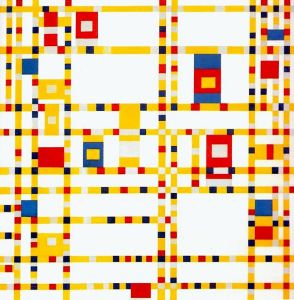
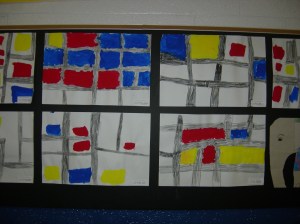
We will look at artworks by Piet Mondrian (Peet Mawn-dree-on) who used primary colors to create abstract artworks.  An abstract artwork doesn’t show people, places, or things that look like real life.

Piet’s paintings look like cities. Below, look at Composition C. What colors are the streets? The buildings? Are there any cars? What about the streets, buildings, and cars in Broadway Boogie Woogie?

Can you see the streets and buildings in the students’ artworks? All the roads go up and down OR side to side. All the buildings are rectangles or squares.

This is a cartoon showing paintings by Piet Mondrian. Can you find Broadway Boogie Woogie? What year did he paint it?

Here’s how one artist, Tung Pham, brought Broadway Boogie Woogie to life, like a real city.


2nd gr.- Color Wheel Mixing

Artists use colors to create artworks.  Artists need to understand how colors work together to mix new colors. The color wheel helps us understand how colors work together. What are the primary colors?

What are those other colors that they made? They are the secondary colors. How do you create the secondary colors?  Here’s a little color math.

  • Primary + Primary = Secondary
  • Red         + Blue        = ___________
  • Red         + Yellow    = ___________
  • Blue        + Yellow    = ___________

Now that we know how to use color math to make secondary colors, where do they go on the color wheel? The second grade will mix colors and learn how to read the color wheel.

K-5 Ishi’s Light- Clay Sculptures

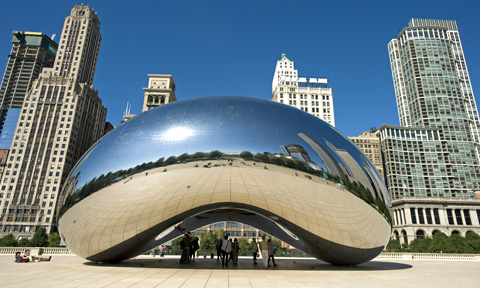
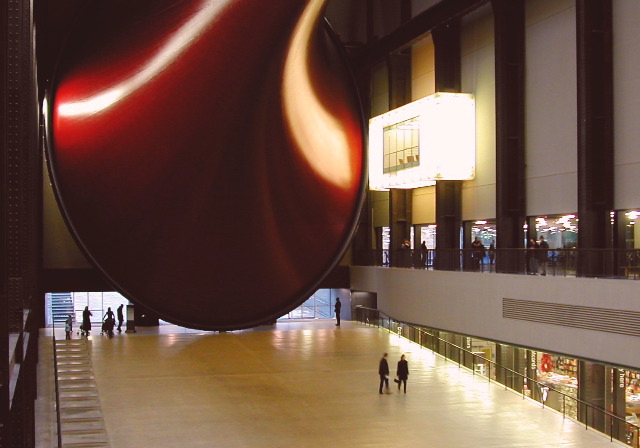
What are your 5 senses? Have you ever made an artwork that uses several senses?  The artist, Anish Kapoor, has. He wants his art to be an experience for your senses. Watch the video to learn more.

Here are two of his famous artworks, you might recognize the one on the left, Cloud Gate, which is in Chicago.

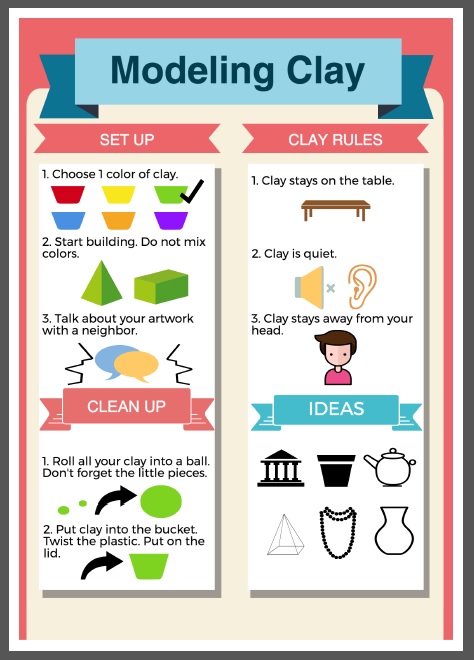
Goal: I can make a mini clay sculpture people can interact with using more than one sense. It might be like an abstract shape, building, or play structure. What would someone see, smell, hear, and feel while inside your sculpture?

Clay Rules