The PreK will learn about Jim Dine’s heart paintings. He loved painting hearts and painted them over and over again. Can you find hearts in these paintings? Which painting is your favorite?
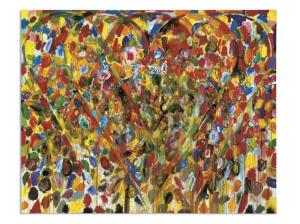

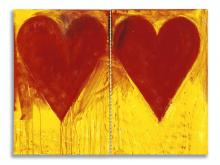
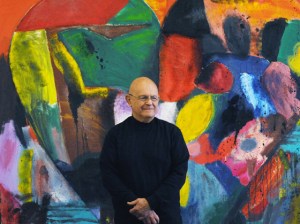


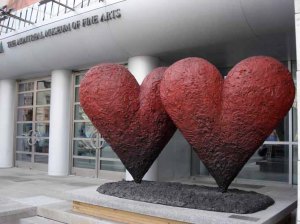
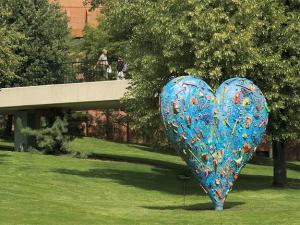


The PreK will learn about Jim Dine’s heart paintings. He loved painting hearts and painted them over and over again. Can you find hearts in these paintings? Which painting is your favorite?
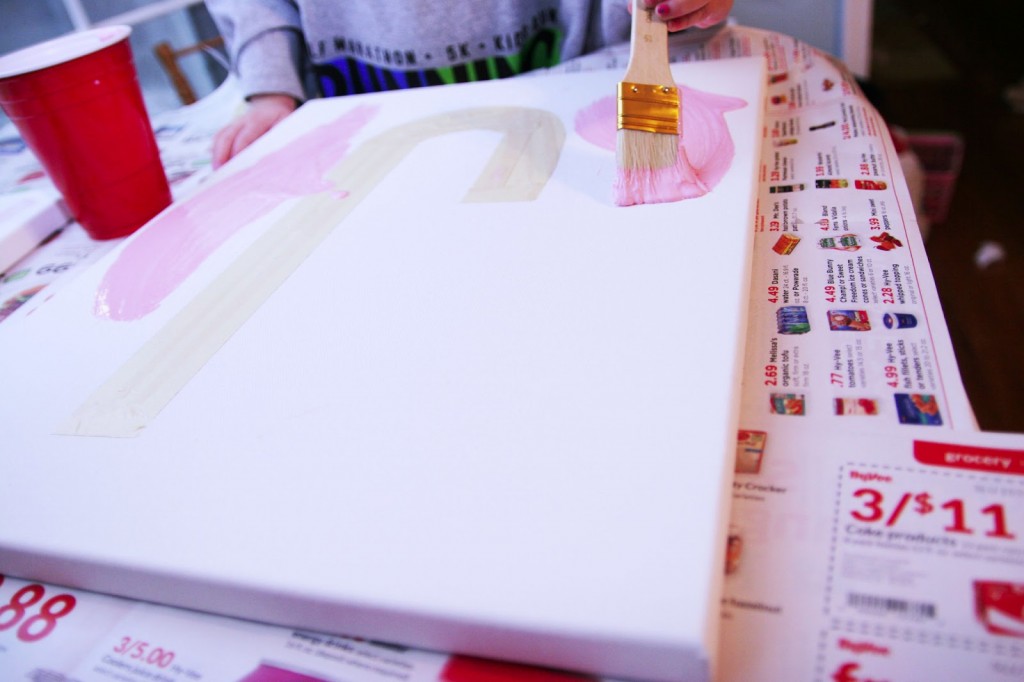
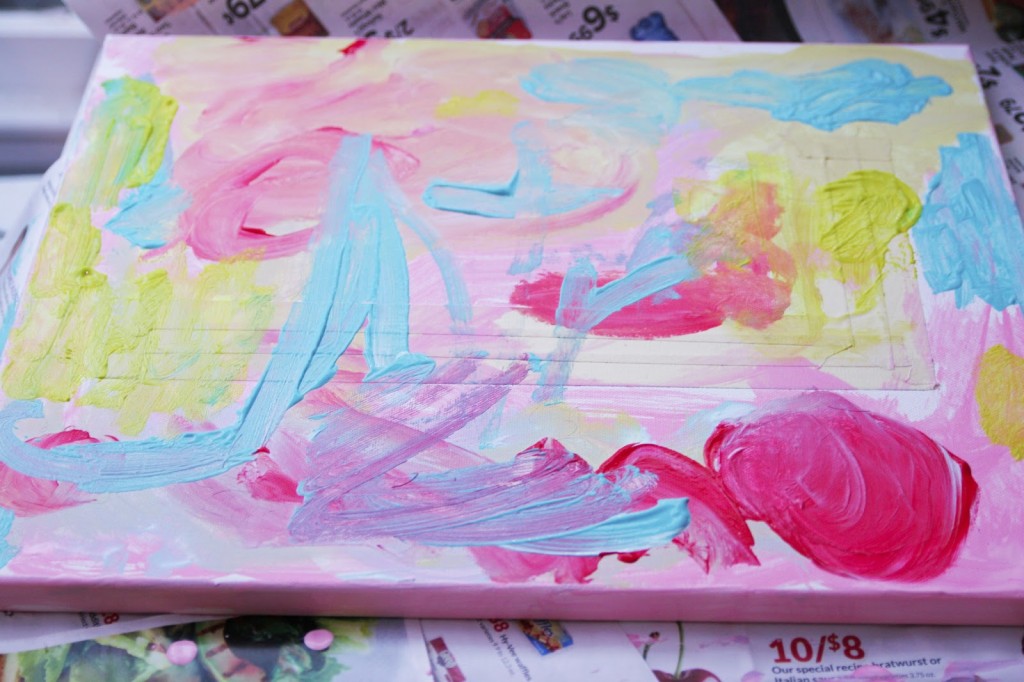
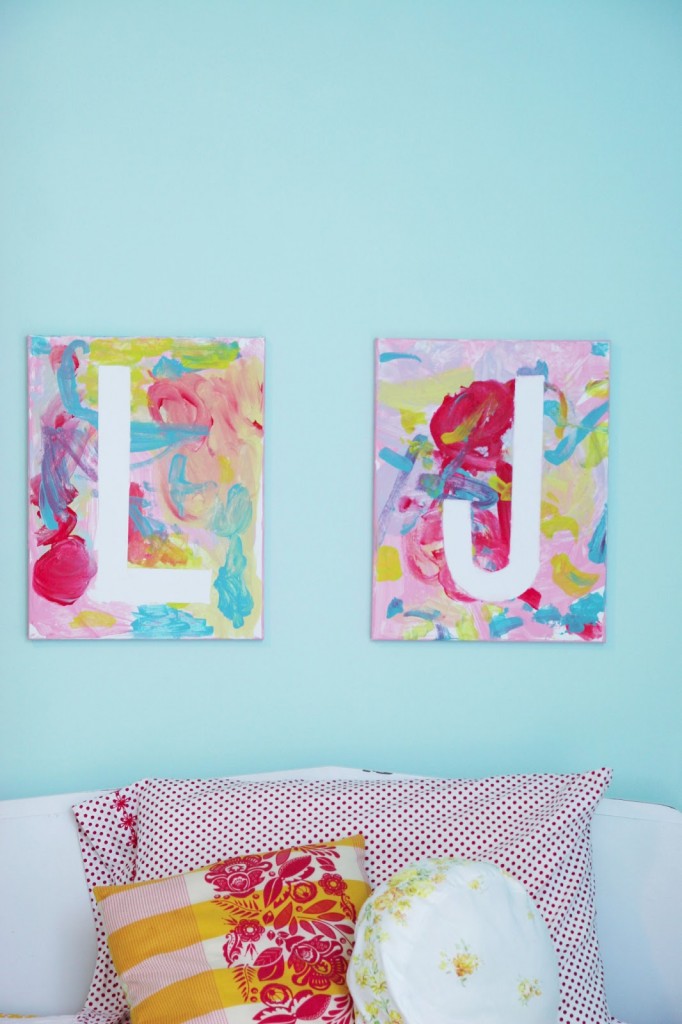
The PreK will learn that letters can be art, too! Think of the first letter of your name.
This lesson is from: http://www.homemadeginger.com/

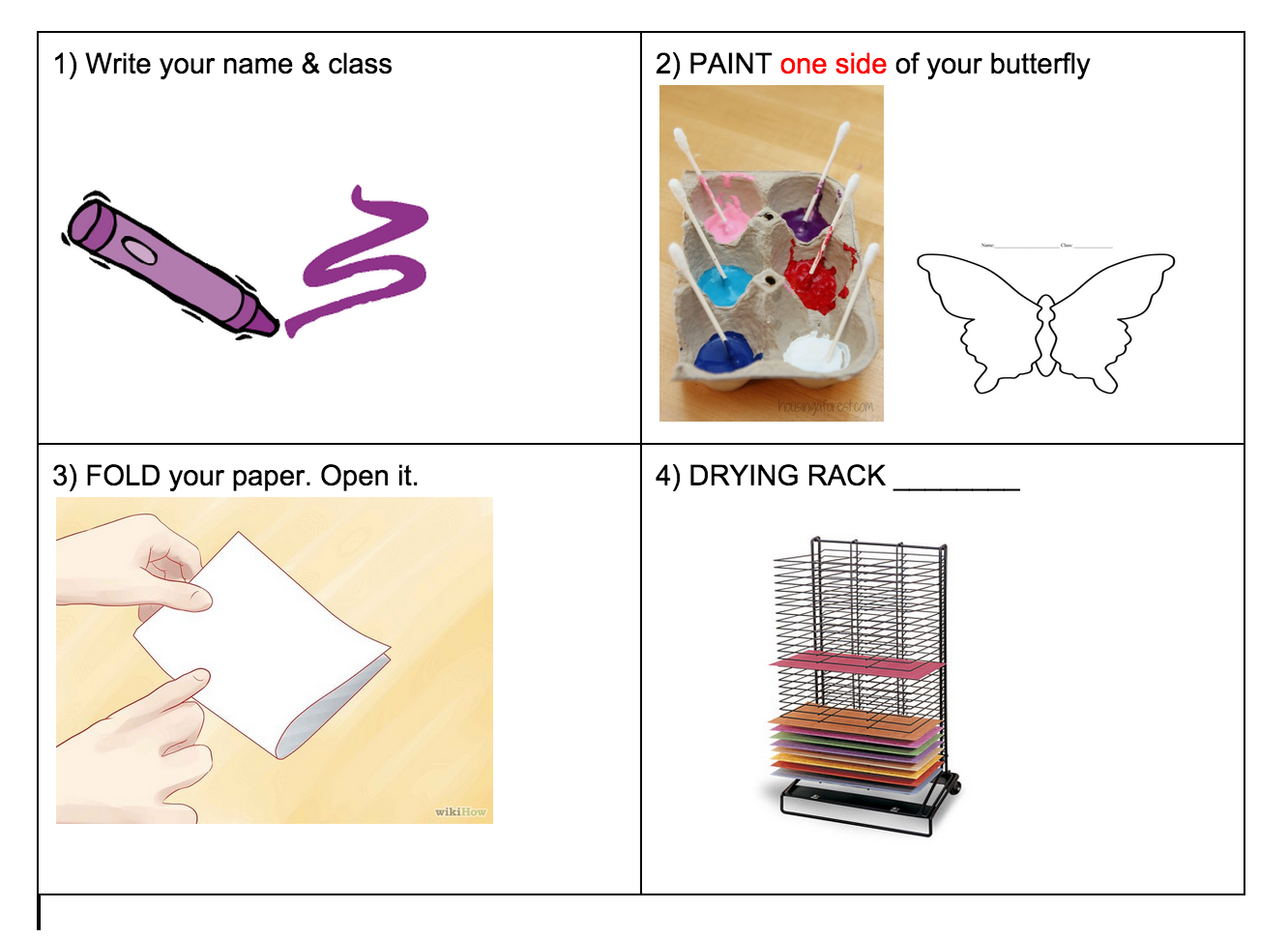
The kindergarten has been learning about the primary colors. We will learn that the primary colors can mix together to make the secondary colors.

We will paint a butterfly with the primary colors and mix them together to make the secondary colors.

Day 1:
Day 2:

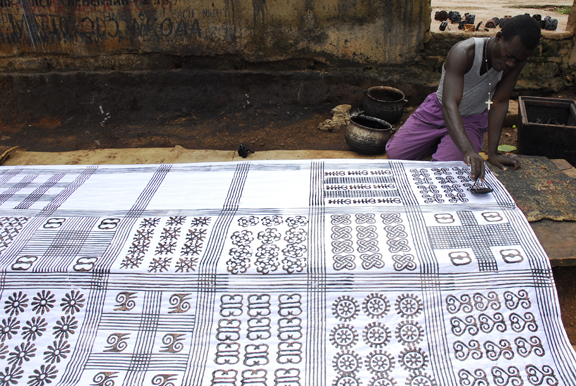
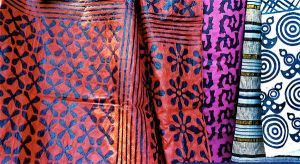
The third grade has been learning about art from other cultures. We will learn about textile (cloth) art from Ghana, which is a country on the African continent. Can you locate Ghana?

We will learn that adinkra cloth is a type of textile art that uses symbols.
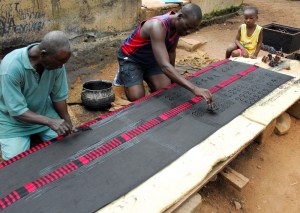
Here are Ghanaian artists showing us how to make adinkra cloths. Follow the video link: Adinkra Symbols

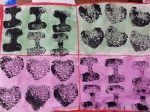
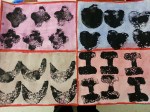
Student examples (yours will look different):
Day 1:

Day 2:
 2. Watch these students printing adinkra cloths. Click the image.
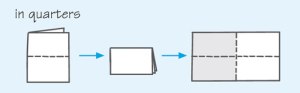
  3. At the purple table: Call up quiet students first. Choose 1 adinkra symbol. This will go in one set of your “twin boxes.” Your symbols should represent who you are or what is important to you. Print your symbols in neat lines with black paint. Be careful not to move the stamps while you print them, they’ll smudge.
4. When you’re done using 1 symbol, return it to the correct spot in the egg carton. Get another symbol and print your two remaining “twin boxes.” If you need a symbol that someone else is using, be patient for your turn.
The preschool will learn about careers and people who live in out community. What would you like to do when you grow up? We will create a fireman’s hat that we can wear!

The first grade been learning about the primary colors. What are they?
We will look at artworks by Piet Mondrian (Peet Mawn-dree-on) who used primary colors to create abstract artworks. An abstract artwork doesn’t show people, places, or things that look like real life.
Piet’s paintings look like cities. Below, look at Composition C. What colors are the streets? The buildings? Are there any cars? What about the streets, buildings, and cars in Broadway Boogie Woogie?
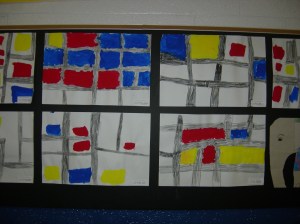
Can you see the streets and buildings in the students’ artworks? All the roads go up and down OR side to side. All the buildings are rectangles or squares.

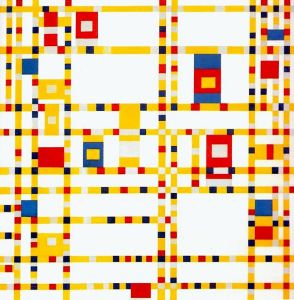
This is a cartoon showing paintings by Piet Mondrian. Can you find Broadway Boogie Woogie? What year did he paint it?
Here’s how one artist, Tung Pham, brought Broadway Boogie Woogie to life, like a real city.
Artists use colors to create artworks. Artists need to understand how colors work together to mix new colors. The color wheel helps us understand how colors work together. What are the primary colors?
What are those other colors that they made? They are the secondary colors. How do you create the secondary colors? Here’s a little color math.
Now that we know how to use color math to make secondary colors, where do they go on the color wheel? The second grade will mix colors and learn how to read the color wheel.

The kindergarten will learn about the primary colors. They are important because they help us make new colors.
Artists use the primary colors in their artworks. Doris Lee painted fruits. What fruits did she paint? Does color help you tell which fruits she painted?
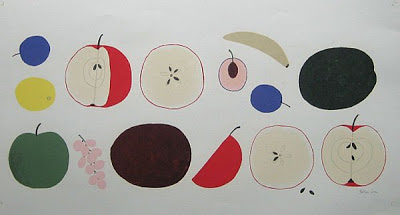
We will draw fruits and paint them with the primary colors.
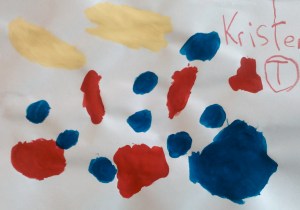
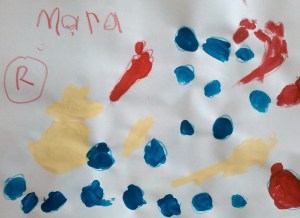
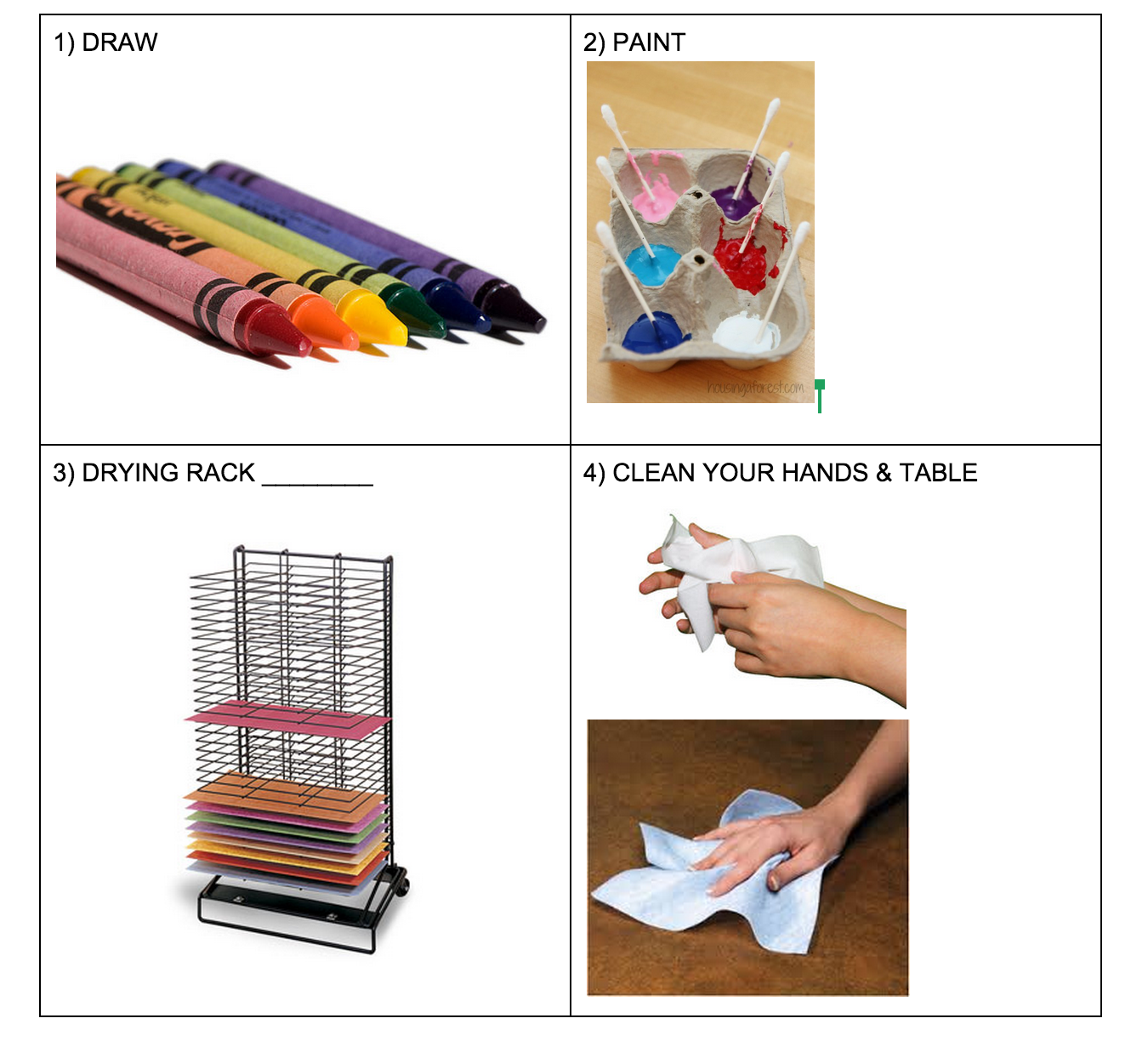
There are two types of shapes: geometric and organic. Geometric shapes have names and most have straight sides. Organic shapes have no names and curvy sides. Organic shapes might remind you of other things, like leaves.
Artists, like Alexander Calder, use organic shapes to create artworks. Alexander used organic shapes to create very large, moving sculptures called mobiles. He also used straight and curvy lines, too!

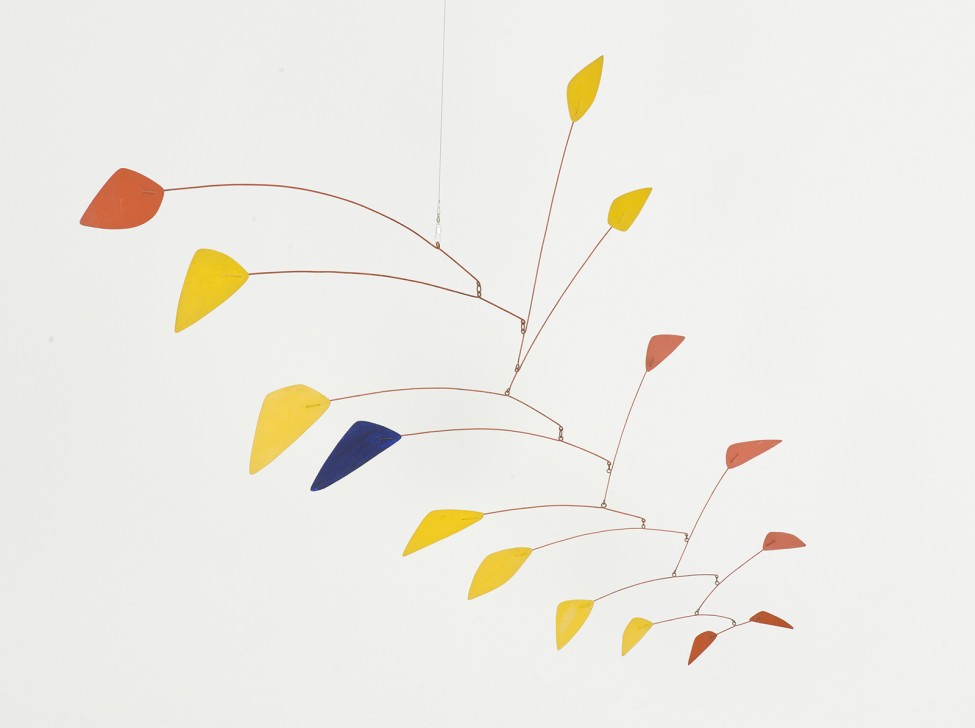
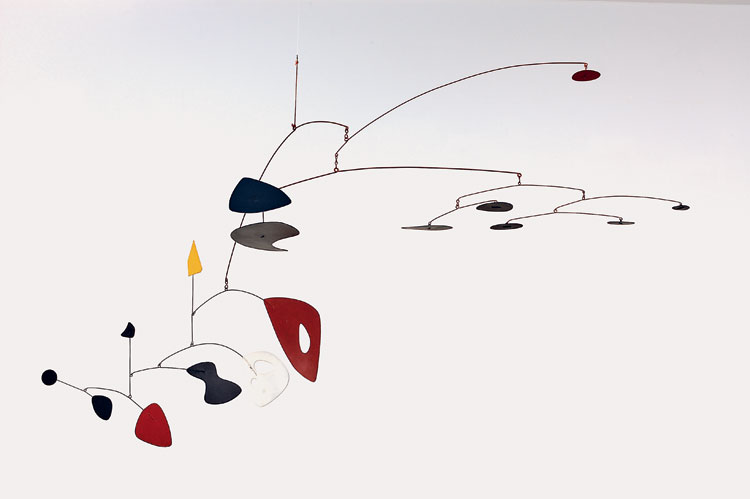
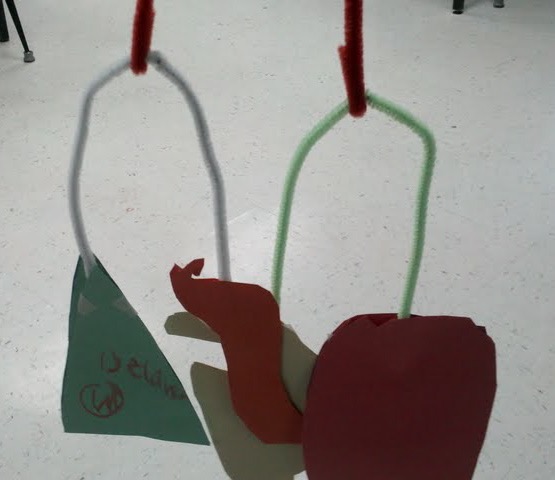
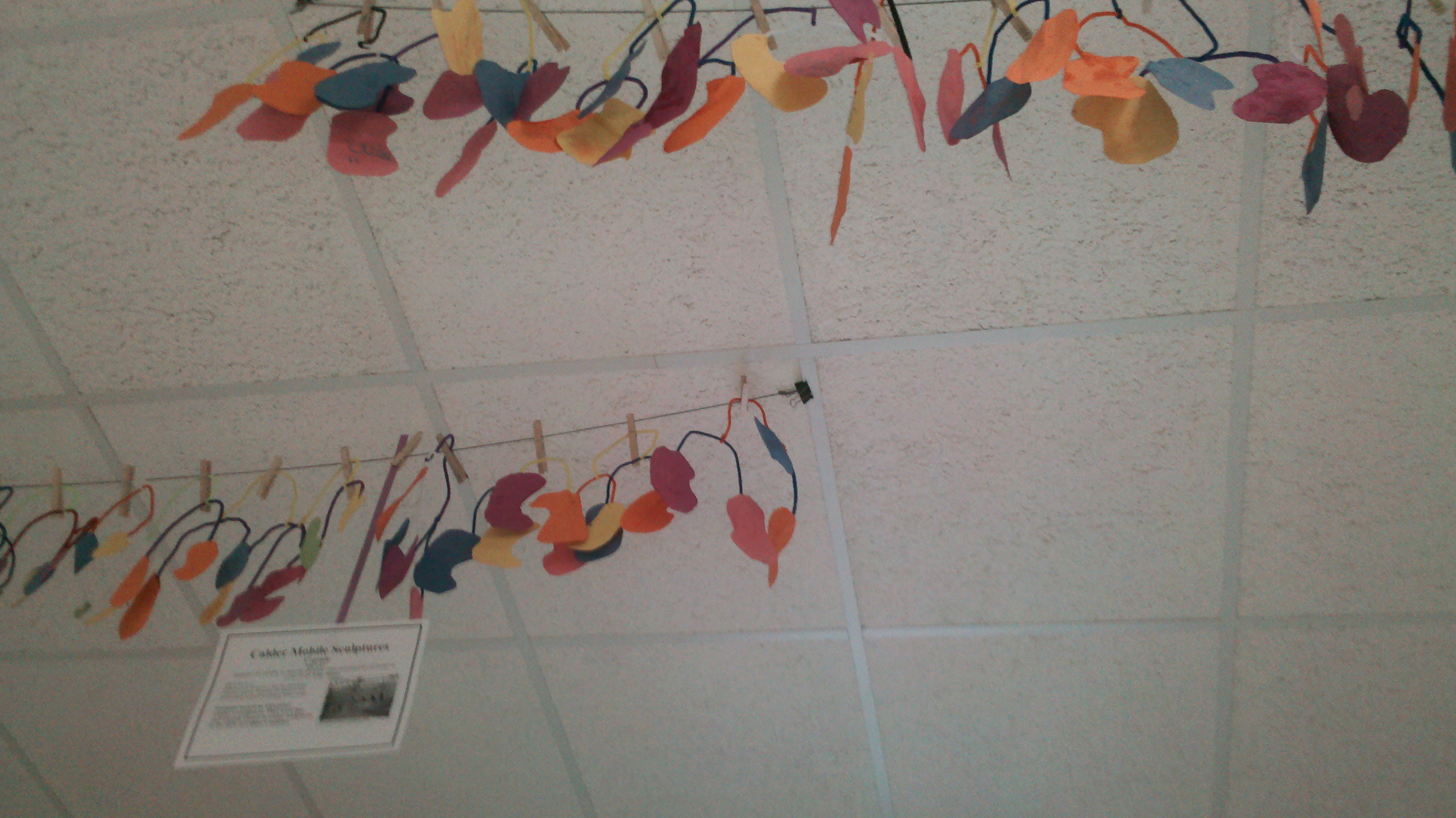
We will use organic shapes and curvy lines to create moving sculptures like Alexander Calder.

The third grade will learn about impressionist artist, Claude Monet. Monet is famous for his “smudgy” painting style and subject matter. This is Linnea, she and Mr. Bloom visit Monet’s garden and artworks in France. This is a great introduction to Monet’s artworks, life, and inspiration.
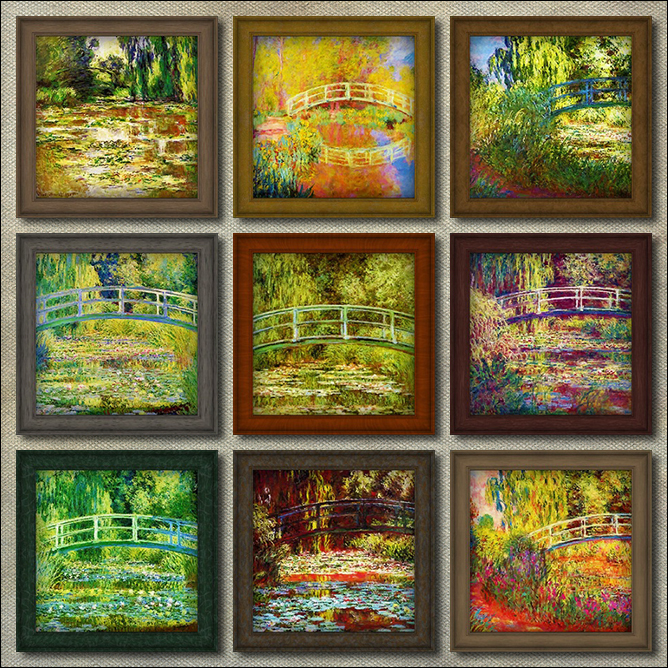
Monet frequently painted the same things multiple times to show how sunlight changed in nature. Learn about The Japanese Footbridge:

How does color change the mood of these artworks?
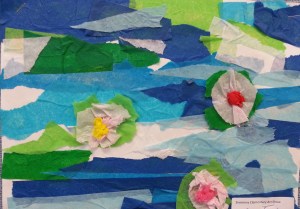
We will use mostly cool colors to create a collage based on Monet’s waterlilies.


 Ms. Baird's Art Class