Art Contest: 2017 Woodford County Conservation District
2017 Conservation Writing & Jim Claypool Art Contest
The 2017 Art and Writing Contest has begun!
The top three entries are selected from each school and from those the county level winners for Art and Writing are selected by a panel of judges.
This year’s theme is about Water!!!!
Entries are due to the Conservation District no later than December 1, 2017! Entry Form (must be attached to back of entry!
***If you want Ms. Baird to turn in your artwork for you, these are due Friday, November 17.***
RULES
- Kentucky students grades 6-12 are eligible to compete in the writing contest. Only students through grade 5 may compete in the art contest.
- A student may not enter both the Jim Claypool Conservation Art Contest and the Conservation Writing Contest during the same contest.
- An entry must be created by one and only one student. Any entry submitted by more than one student will be disqualified.
- All entries become the property of the contest sponsors. The decisions of the judges at all levels of competition are final.
- WRITING: the entry may not exceed 1,000 words and must be written in ink or typed on one side of the paper only. Typed entries must be written in 12pt font, Times New Roman or Calibri. No photographs or artwork may be included with the written work. It is suggested that the written entry take the form of informational writing (from the perspective of an informed writer to a less informed reader) and may be in the form of a letter, blog entry, editorial or speech. It should persuade the reader to take action toward good soil conservation practices or propose a solution to one or more soil conservation issues. The work should be from the student author and avoid plagiarism from this source or other sources. Sources should be cited.
- ARTWORK: shall be 8 ½”x11”. Any thickness or color of art board may be used. Art paper may be used, but must be pasted onto art board or cardboard before submitting for competition. NO plywood will be accepted. Artwork may be rendered in any medium: pencil, ink, charcoal, crayon, oil, etc., but it must be flat art. 3-D art is unacceptable; however, collages, photographs or other art pasted onto your board will be accepted as long as it is flat art pasted securely to the poster board. An art entry may take the form of a poster, newspaper advertisement or editorial cartoon, making sure that whatever form is used the artwork conveys a message at a glance that persuades its viewers to take action toward good soil conservation practices
- The official entry form must be completed and secured to the back of your entry.
HELPFUL HINTS
- Keep entry simple and sincere.
- Be creative and original. Avoid plagiarism by using original words and ideas. Plagiarism is defined as the act of stealing and passing off the words of another as your own without crediting the source.
- Consider an area of soil that is important to you, your family and your community.
- Draw from your personal interests or experiences.
- Writing entry should take the form of informational.
- Think about soil issues in your community, farm, subdivision or city.
- Interview people in your community about changes in Water issues.
- Find ways to improve Water in your community. TAKE ACTION!
For more information: http://www.woodfordcd.org/jim-claypool-art-and-writing-contest
All information provided by WCCD.
Art Jobs: Illustrator
Types of Art: Public Art
What is a museum?
How are artworks care for and by whom? How do you choose art to share or display?
Art is shared in many places, one of those places can be a museum. What is a museum?
History of Architecture
Andy Goldsworthy
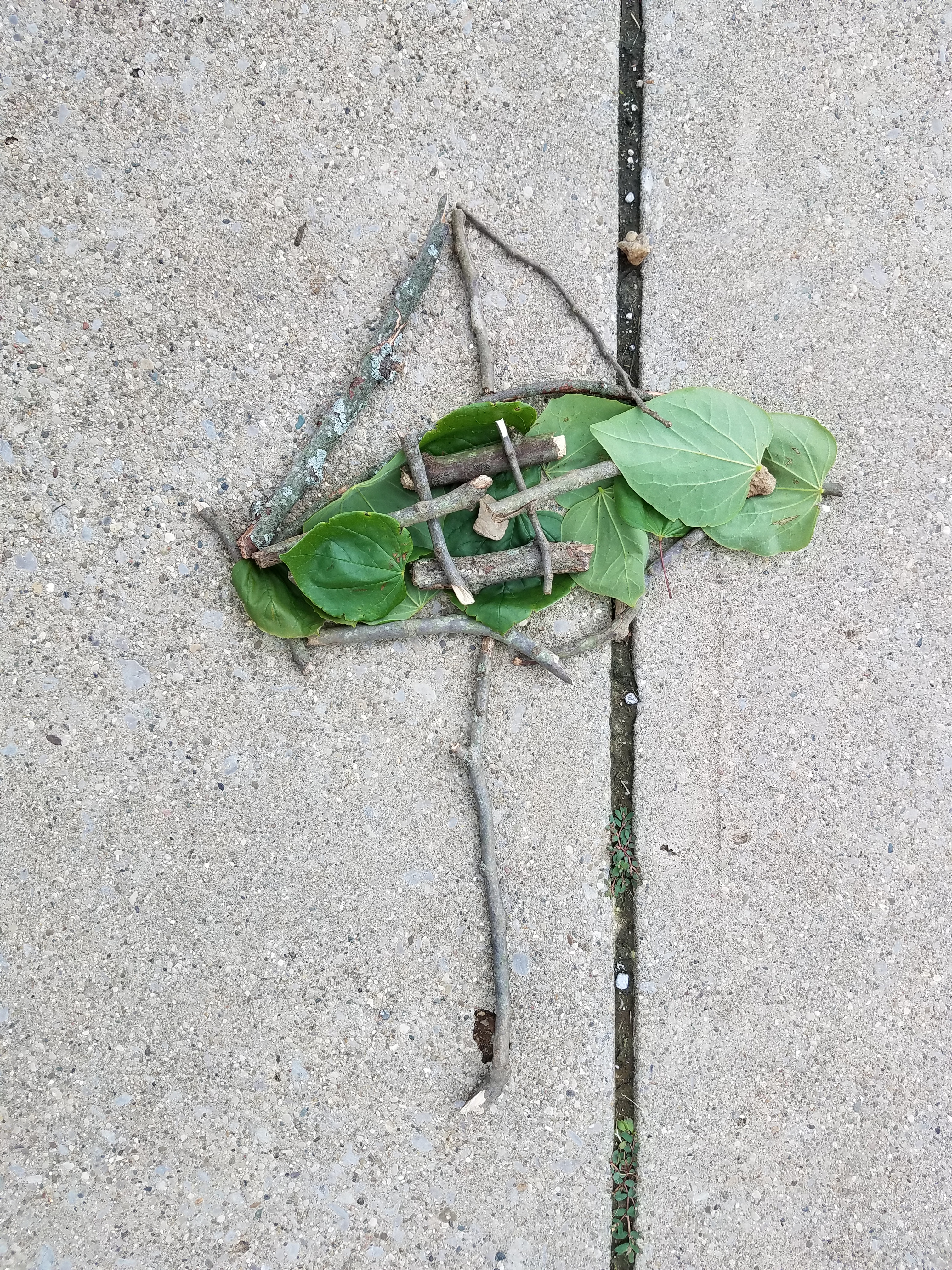
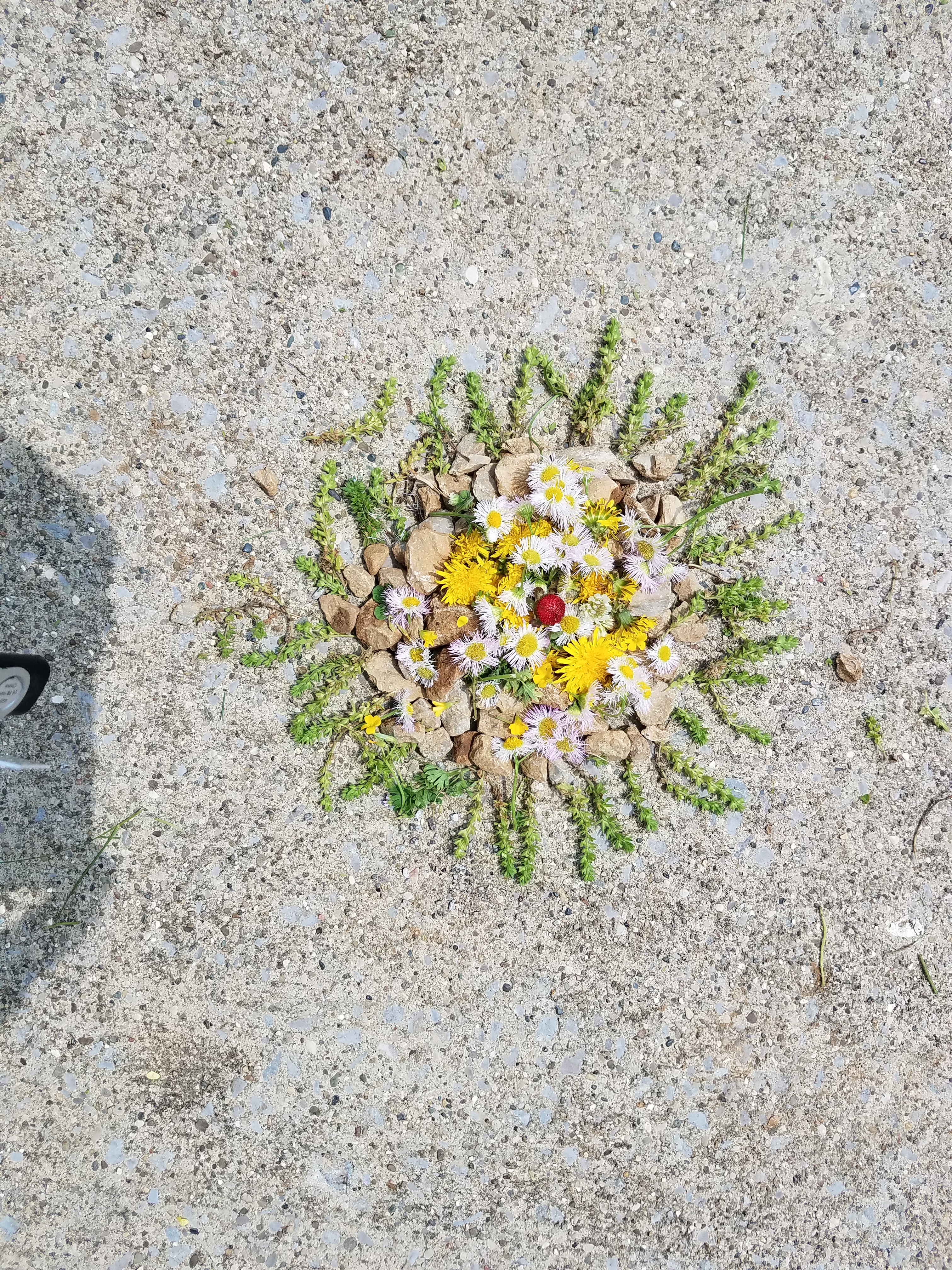
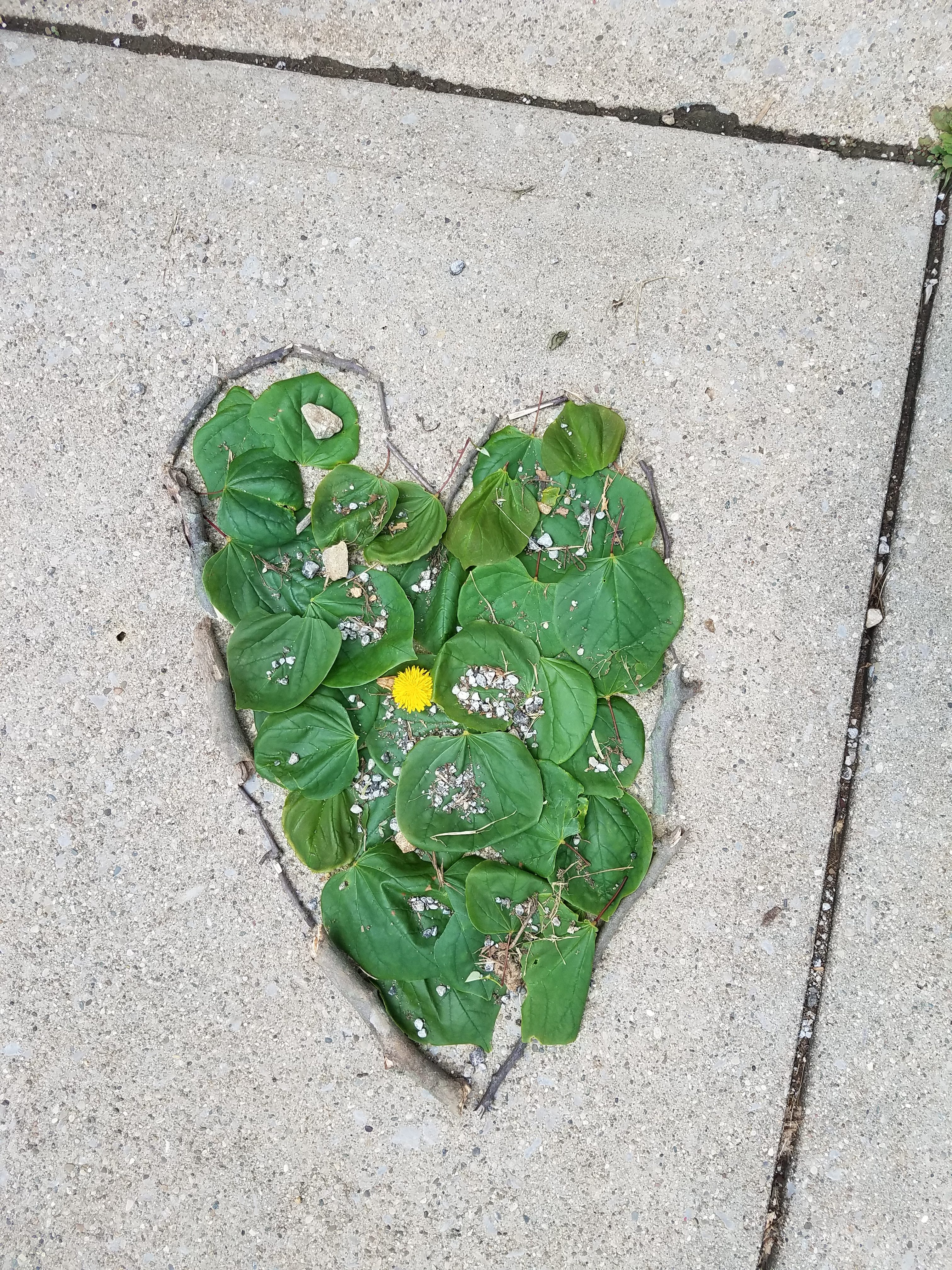
Artist, Andy Goldsworthy, creates environmental art sculptures from objects he finds in nature, like leaves, rocks, and snow. The textures, colors, and shapes of his objects are important for his sculptures. Can you determine which natural materials he used for these sculptures? (Studio Habit of Mind- Stretch and Explore)
Andy Goldsworthy creates his environmental art and then leaves it outside. What do you think happens when he leaves it outside? Why do you think he does that?
Does Andy always succeed with his sculptures? What do you think he does when things don’t go the way he planned? (Studio Habit of Mind- Engage and Persist, Reflect)
Here are some student-created environmental sculptures.

Architecture Center is Open!
Students have learned that architects are artists who design buildings. We’ve been creating independently and collaboratively at our Architecture Center.


K, 1, and 2 with New Centers
Kindergarten is learning about our Centers one at a time. So far, they’ve learned about the Drawing, Sculpture, and Architecture Centers. Painting is next!
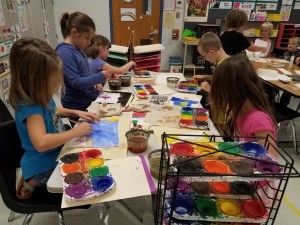
The 1st grade had a wonderful time learning how to use our Painting Center. They learned how to use paintbrushes with “wash it, wipe it, blot it, next color.”
The 2nd graders are painting, collaging, and drawing like pros! They’re loving all the creative freedom!

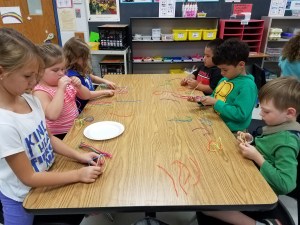


Fun Friday with Fourth
We had a class and a half (literally) for 4th grade art. We’d just opened the Painting and Architecture Centers and also had students at the Collage and Drawing Centers, too. They also cleaned up the entire room in 5 minutes. WOW!
 Ms. Baird's Art Class