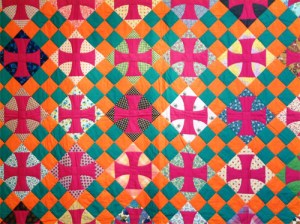
The 2nd grade will use their knowledge of color families to weave a paper quilt. They will learn that Appalachian artists make quilts as a functional form of art. Functional art is art that can be used, such as quilts, pottery, and rugs.
Quilting has become more than functional art, it’s now a way for artists to express their emotions, feelings, and ideas. When art expresses ideas it’s called artistic expression. Which quilts do you think are functional and which are artistic expression?
Irene Goodrich
Jim Harris
Grace Elswick
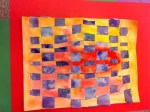
Here are some student examples of our Color Family Quilts. Will our quilts be functional or for artistic expression?
The third grade will learn about Jeri Redcorn and her functional pottery. Jeri is a Caddo Native American who uses traditionaltechniques to create her pottery. The first grade studies the Caddo, too.
Here is Jeri Redcorn’s site, she even had artwork at the White House! (click photo link) How do you think this pottery is used? What textures, colors, and shapes do you see?
From the National Museum of the American Indian: How Jeri Redcorn became a potter, how she helps other people create pottery, and how she feels about her artwork.
Student examples, from above:
BEST ART TIPS:
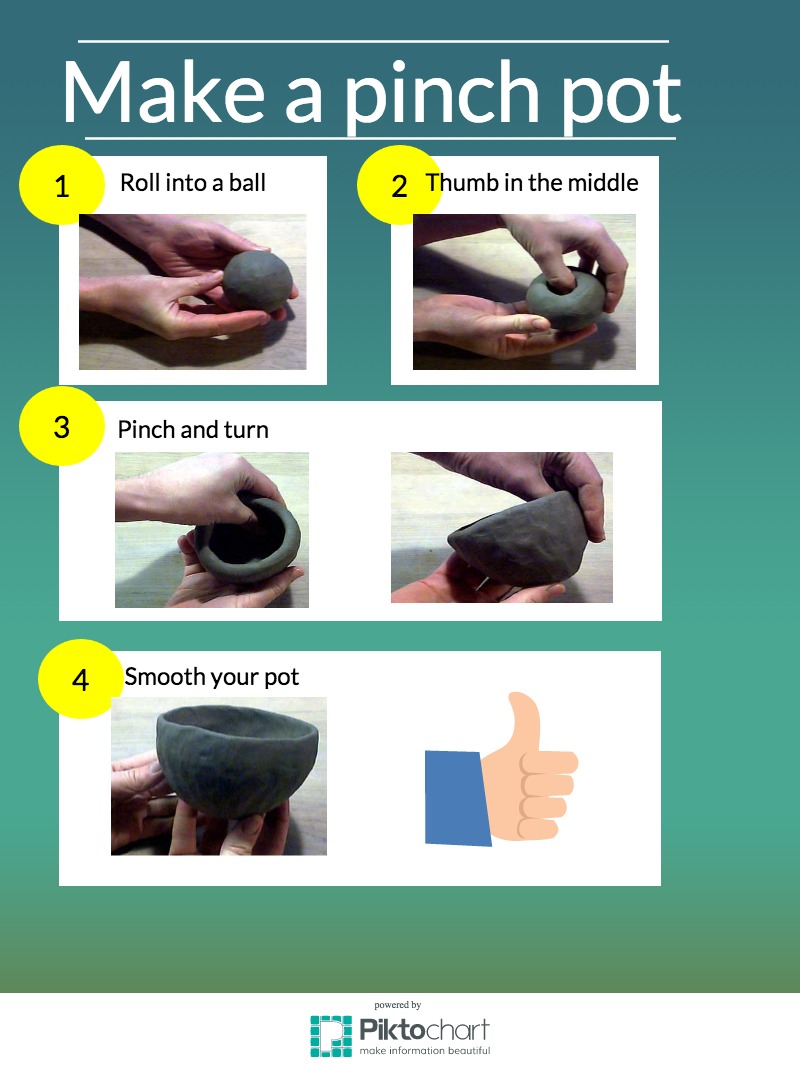
Save some clay to make handles or lids.
Do NOT put the lid on the pot to dry. It will get stuck!
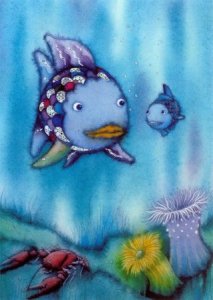
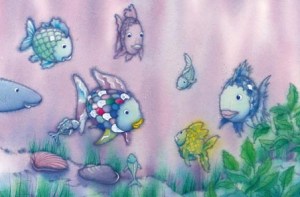
The first grade will listen to “The Rainbow Fish” by Marcus Pfister. We will look at the illustrations and talk about how they help us understand the story. Students will learn that art that tells a story is called narrative art. Narrative art doesn’t always have words like illustrations do. We will discuss what we think is the moral of the story. Students will create their own narrative artworks retelling their favorite part of “The Rainbow Fish”.
Here are some of the illustrations in the book. What story do you think these illustrations are telling?
Marcus Pfister
Marcus Pfister
Marcus Pfister
Click the photo for a reading of “The Rainbow Fish” by Ernest Borgnine.
Student examples:
Steps:
1) Draw your favorite part from The Rainbow Fish.
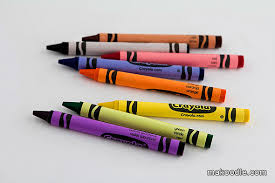
2) Trace over ALL your lines with crayons.
3) I will call quiet students to the purple table.
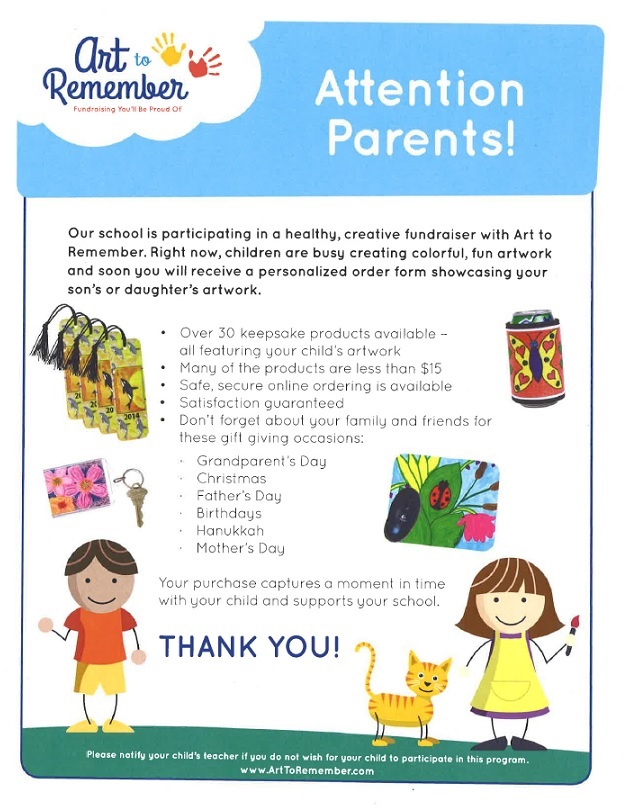
Art to Remember order forms will be sent home on Wednesday, April 8th and must be turned in on Wednesday, April 15th. **5th grade families: if your student is going on the DC trip, please have your orders turned in before leaving Simmons on Monday, April 13th.
This fundraiser offers great, one-of-a-kind items AND supports our school. Below is information that will be included with your order form.
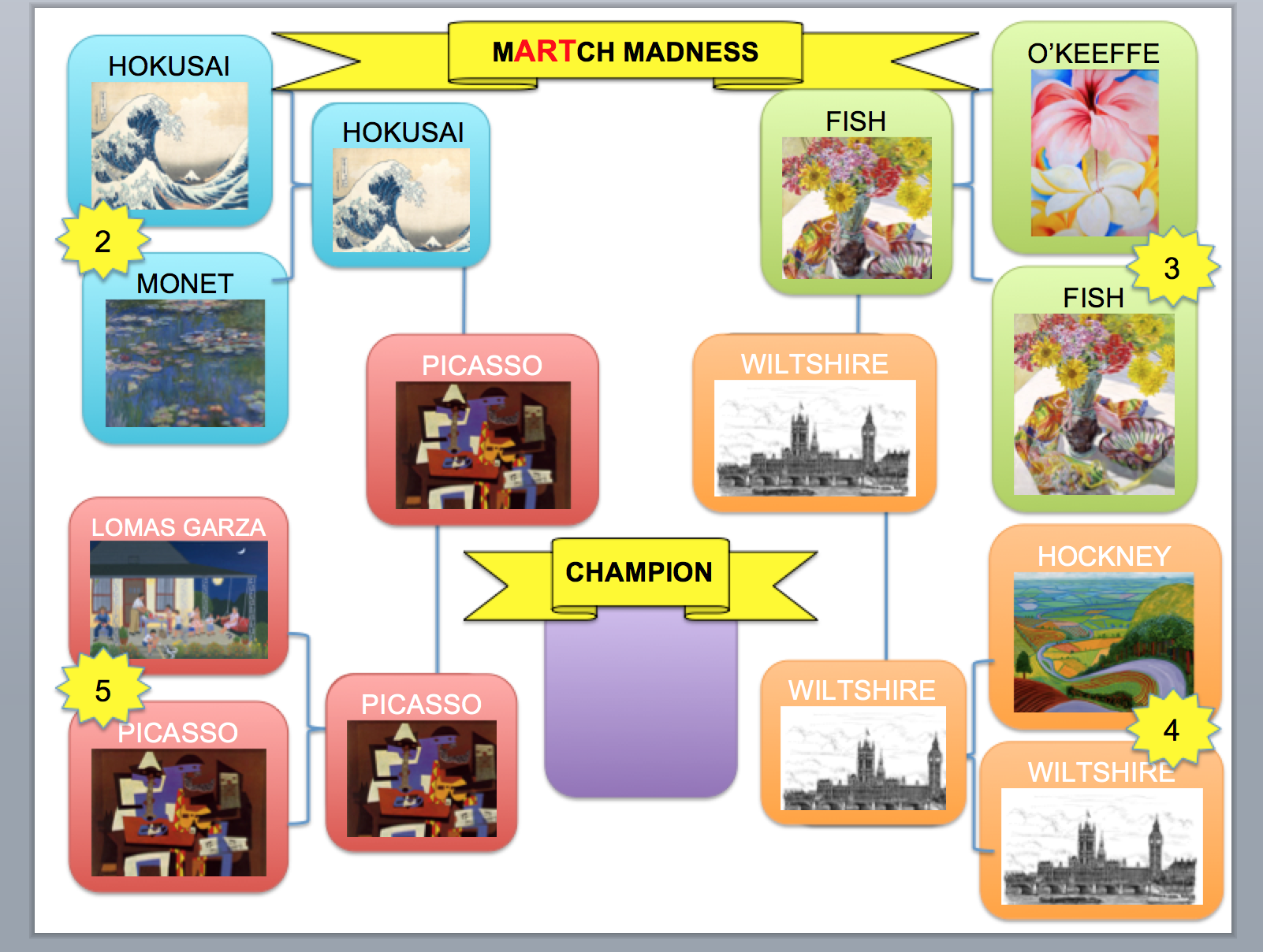
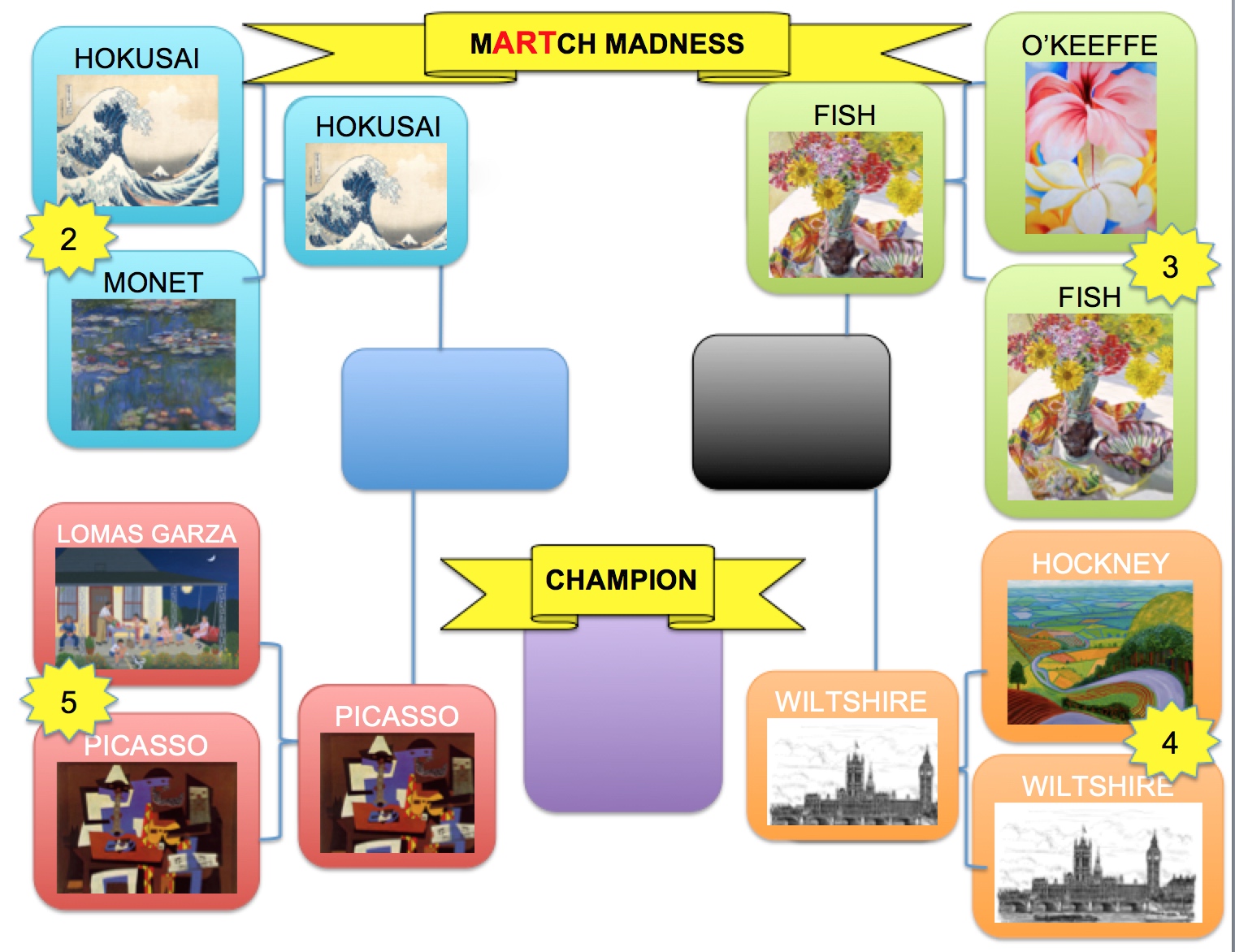
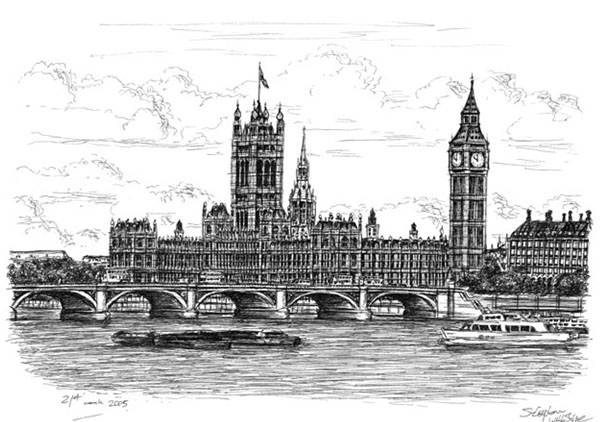
We have a CHAMPION! Congratulations to the 4th grade! They have won the mARTch Madness bracket! Their artist, Stephen Wiltshire, has earned more votes than any other artist we studied.
As an award they will get to paint Thunder white. Why white? To prepare him for the annual Spirit Week KPREP kickoff! (Of course, this is not Thunder!)
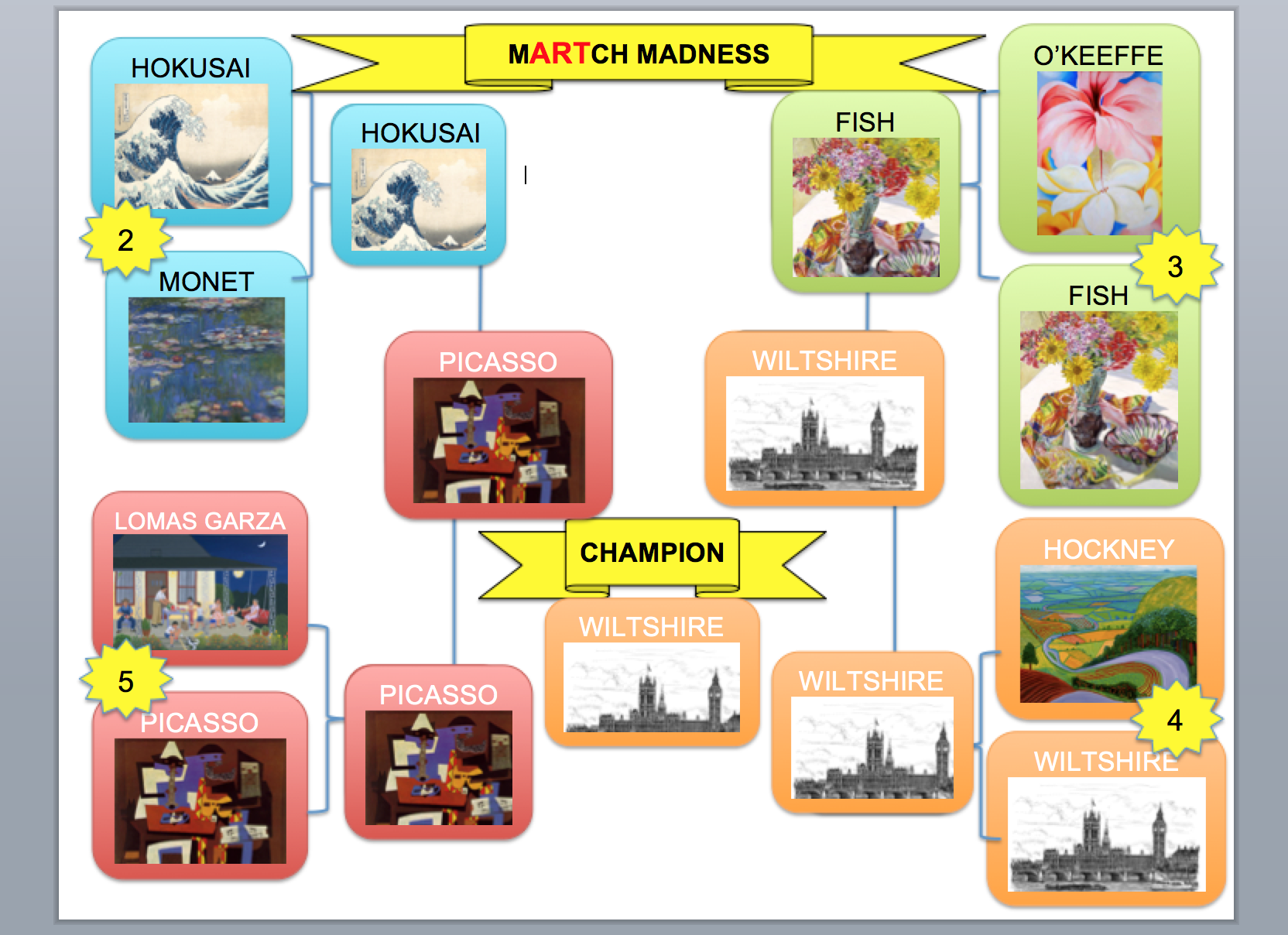
This March, the art room is celebrating a different kind of March Madness. Second through fifth grade classes participated in mARTch Madness during art classes. It’s down to 5th grade’s Picasso and 4th grade’s Wiltshire! WHO WILL BE OUR CHAMPION?
The 4th and 5th grade classes will learn a little about each artist and artwork and then…vote! Who will be voted off the bracket next? To learn more about the artists, check out this post.
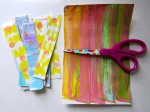
First grade will learn that weaving is used to create functional art. Weaving can be used to make many things, like rugs, clothing, and baskets. Students will cut their looms and learn to weave on it. We will use an over-under pattern to weave. We will turn our weavings into a paper basket.
Here is how baskets are traditionally made:
What materials do these artists use to make their weavings?
What functional art do they make from their weavings?
What makes basket-weaving challenging?
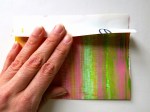
Steps:
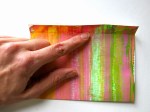
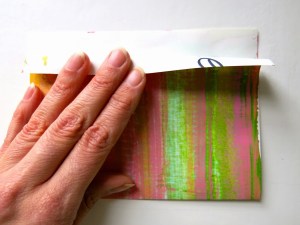
1) Write your name and class on the top. Fold your construction paper in half, like a hamburger.
2) Fold a little tab at the top of your paper.
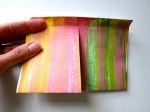
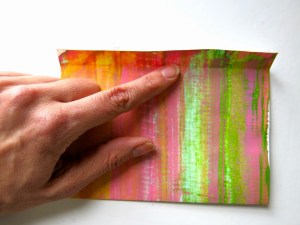
3) Fold both sides.
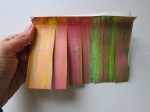
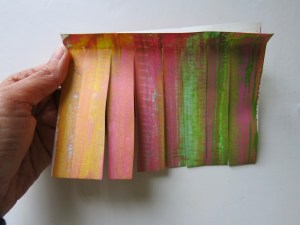
4) Cut a line going up to the folded tab- don’t cut over this fold!
5) Cut more lines going up to the fold. Don’t make them too skinny.
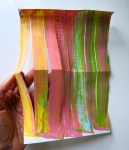
6) Gently unfold your paper.
7) Weave strips of paper in an AB pattern. Glue ends.
8) Fold your paper in half, make sure you can see your name. Glue the sides, so the top is still open. Glue a handle on top.
This March, the art room is celebrating a different kind of March Madness. Second through fifth grade classes will participate in mARTch Madness during art classes. Who did your grade vote to represent you in the Final Four?
In class, you’ll learn a little about each artist and artwork and then…vote! Who will be voted off the bracket next? To learn more about the artists, check out this post.
The fourth grade will be learning about the history of mask-making around the world. We will learn that, historically, masks were made for ceremonial purposes.
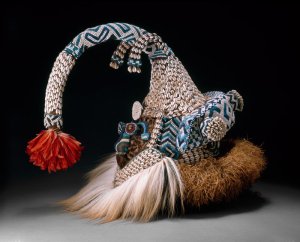
We will learn that the Mukenga Mask, from the Kuba people, is used in funeral ceremonies. This mask combines different animals to represent qualities that a person would want during life. Would you like to fly, run quickly, or be strong? Which animals have qualities that you would like to possess?
Mukenga Mask
Parrot
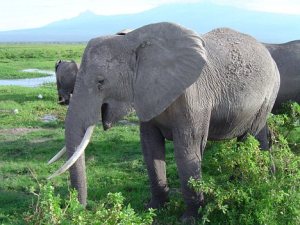
Elephant
Leopard
Tree Frog
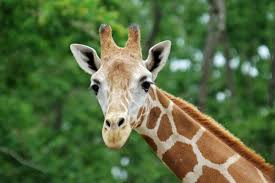
Giraffe
This link is from the Art Institute of Chicago. Click the image to learn about the Mukenga mask and create your own multi-animal mask.
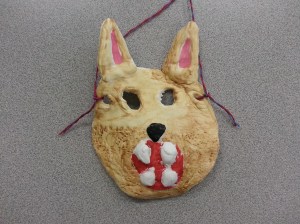
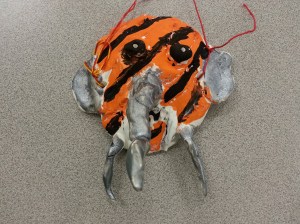
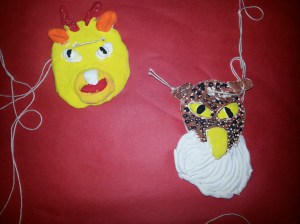
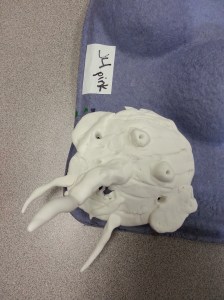
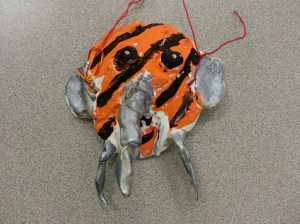
We will design and create 3-D clay masks that represents animal qualities we’d like to possess. Here are student examples:
ART in ACTION: The Dogon tribe (Mali, Africa) is dancing a in funeral ceremony. The ceremony is meant to connect the Dogon people with the afterlife and honors people who’ve died. Music, art, and dance are all visible in this ceremony. What animals do their masks represent?
Steps (more info below photo steps):
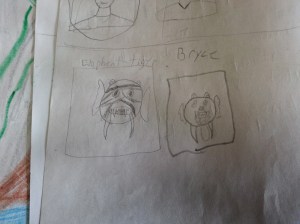
1) Sketch 2 mask designs combining 2 animals with qualities you’d want. Place sketches in folder.
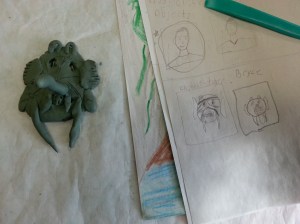
2) Use your best sketch to help create a PRACTICE 3-D mask with modeling clay. Put away clay at the end of class- these are practice.
3) Use 1 packet of white clay to create your FINAL mask. DON’T FORGET TO ADD HOLES FOR STRING & WRITE NAME/CLASS on the back.
4) Paint your mask. While it’s drying, move onto step 5.
5) Write your reflection. Fill out your rubric. Hole punch & attach to string. Tie onto mask.
Step 1: Choose one or two animals with qualities you would want. Ms. Baird would like to be taller and wise, so a giraffe-turtle combination would be great.
Step 2: The modeling clay masks are practice. You need to roll your clay up and put it away at the end of class.
Step 3: WRITE your name/class on the back of your mask with a Sharpie. Listen for directions on how to gently place your mask up to dry.
Step 4: Paint your mask. Don’t forget to give clues about your animals.
Step 5: Write your reflection and fill out your rubric. Hole punch the corner of each. Attach your reflection & rubric to your string. You only need 1 piece of string for your mask. Pull each end through the hole and tie a knot like you’re tying your shoe. Look at the example.
Here are our artists and their artworks! Who will you vote for?
Artist: David Hockney Country: UK Artwork: Garrowby Hill, 1998 Born: 1937 Died: —– Known for: Painting colorful, somewhat abstract landscapes and bright use of color. He’s well known for Mulholland Drive.
Artist: Janet Fish Country: USA Artwork: Diane’s Vase, 1998 Born: 1938, Massachusetts Died:—— Known for: Realistic still life paintings that include reflections, glass, and transparent objects. Her style is very attentive to detail.
Artist: Katsushika Hokusai Country: Japan Artwork: The Great Wave off Kanagawa, 1829-1832 Born: 1760 Tokyo (Edo) Died: 1849 Tokyo Known for: Ukiyo-e printmaking which shows landscapes. He developing printing techniques that no one else was using. Famous series: 36 Views of Mount Fuji
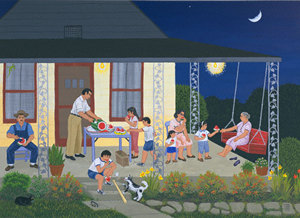
Artist: Carmen Lomas Garza Country: USA Artwork: La Sandía (Watermelon), 1986 Born: 1948, Texas Died: —— Known for: Biographical artworks that tell stories of her life and experiences as a Mexican-American woman. She shows the diversity of the American people.
Artist: Claude Monet Country: France Artwork: Water Lilies, 1916 Born: 1840 Paris Died: 1926 Giverny Known for: Inventing Impressionism, large canvases of water lilies, smudgy paintings, and painting outside. His famous artworks show the same subjects at different times of day and year.
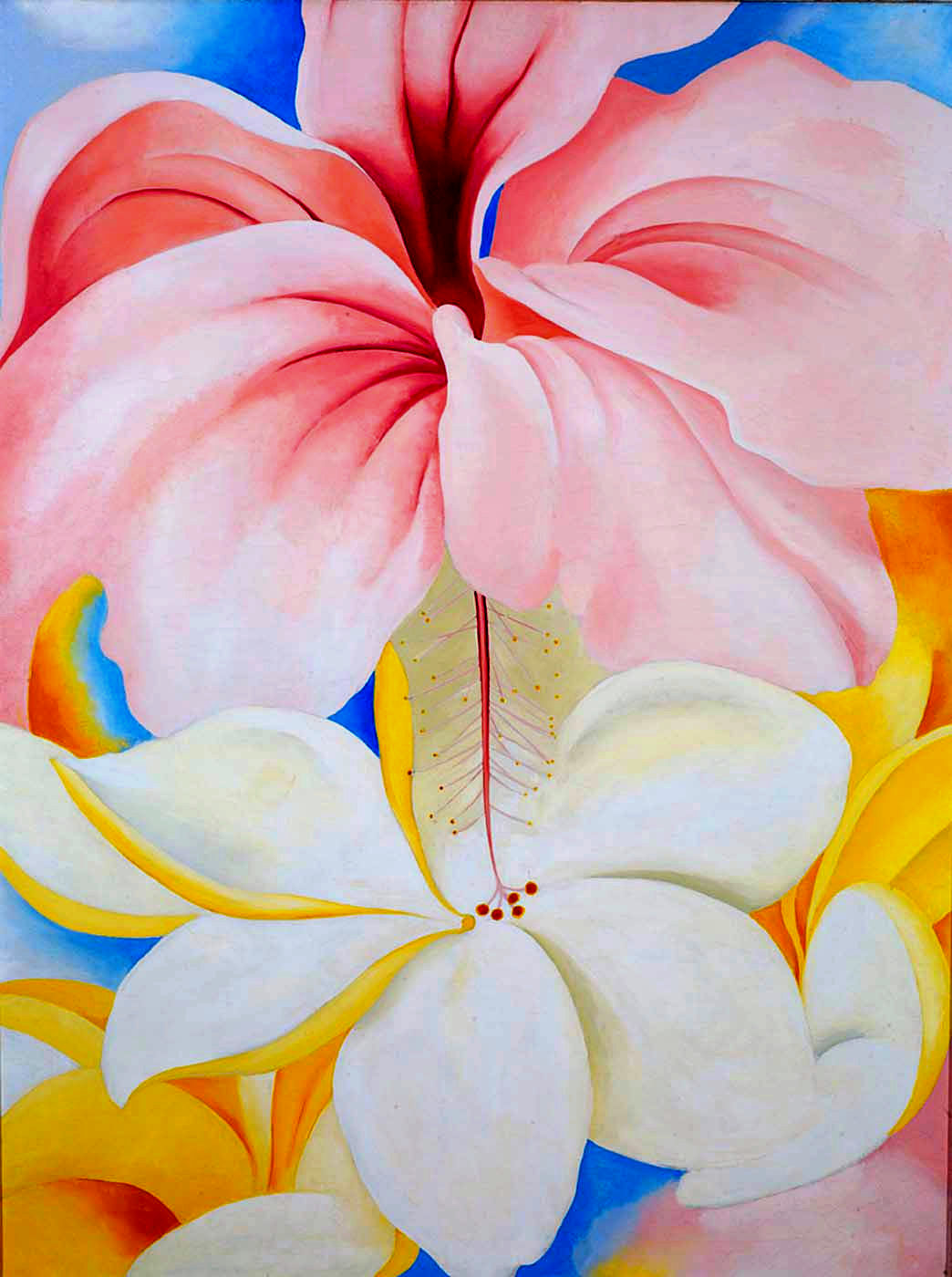
Artist: Georgia O’Keeffe Country: USA Artwork: Hibiscus with Plumeria, 1939 Born: 1887, Wisconsin Died: 1986, New Mexico Known for: Abstract paintings of up-close flowers, NY cityscapes, and NM landscapes. She became a famous artist when few other women were recognized as artists.
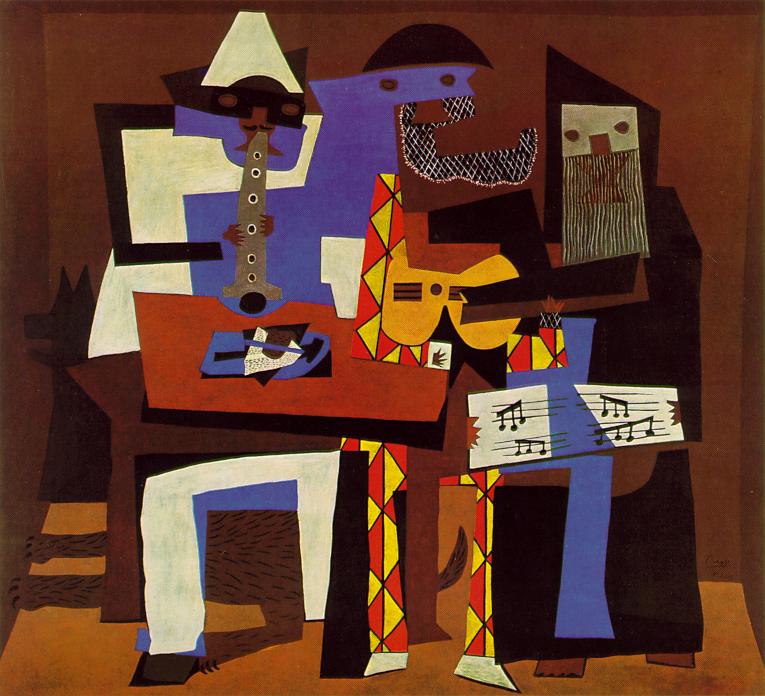
Artist: Pablo Picasso Country: Spain Artwork: Three Musicians, 1921 Born: 1881, Málaga, Spain Died: 1973, France Known for: Inventing Cubism, which depicts many sides of an object all at once. He produced more than 50,000 artworks over his lifetime: sculptures, ceramics, drawings, prints, tapestries, and rugs.
Artist: Stephen Wiltshire Country: UK Artwork: Houses of Parliament, 2005 Born: 1974, London Died: —– Known for: Using his photographic memory to draw landscapes in great detail after seeing a city once. He didn’t fully speak until he was 9, but used art to communicate.



























 Ms. Baird's Art Class